Windows 11 April Update: Unpacking the Boot Loop and BSOD Crisis
Microsoft's April 2026 Windows 11 update, specifically KB5083, has reportedly triggered widespread boot loops and Blue Screen of Death (BSOD) crashes for a segment of users. This recurring issue highlights ongoing challenges in software deployment and user trust. PulseWorld investigates the severity, potential causes, and Microsoft's response to this critical system instability.
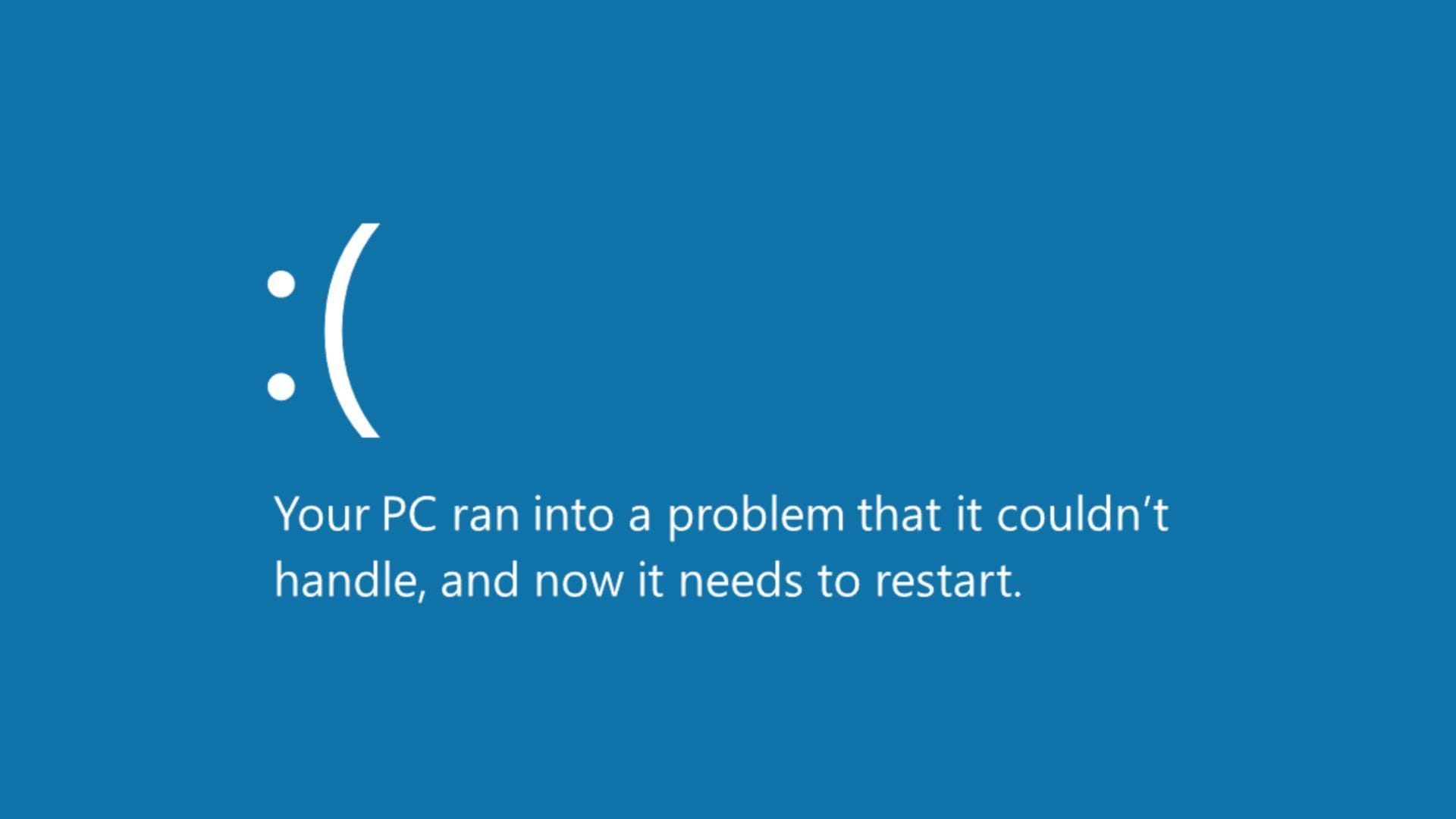
In the ever-evolving landscape of operating systems, a seamless user experience is paramount. Yet, for a significant number of Windows 11 users, the promise of stability was shattered in April 2026. Microsoft’s latest cumulative update, identified as KB5083, has reportedly plunged numerous systems into a frustrating cycle of boot loops and dreaded Blue Screen of Death (BSOD) errors. This isn't just a minor glitch; it's a critical system failure that renders devices unusable, sparking widespread concern across forums and tech communities. As PulseWorld investigates, the question isn't just if there's an issue, but how serious it truly is, and what it means for the millions relying on Windows 11 daily.
The Anatomy of a Digital Crisis: Reports Emerge
The first tremors of this digital earthquake began shortly after the rollout of the April 2026 update. Users, from casual home PC owners to professionals, started reporting identical symptoms: their computers would attempt to boot, only to crash and restart, often displaying a BSOD with various error codes before repeating the cycle. One prominent voice in the growing chorus of complaints is 'Vagabond Superstar' on Microsoft's official support forum, whose detailed account mirrored dozens of others. The common denominator? The installation of update KB5083. While Microsoft's updates are designed to enhance security and performance, this particular release appears to have introduced a severe instability that bypasses the intended improvements, instead causing widespread disruption. The sheer volume of reports, though not yet officially quantified by Microsoft, suggests a problem that extends beyond isolated incidents, painting a picture of a potentially systemic flaw.
Historically, Windows updates have occasionally been plagued by issues, ranging from minor driver conflicts to more severe system instabilities. The infamous Windows 10 October 2018 update, which deleted user files, serves as a stark reminder of the potential consequences when software deployment goes awry. This current Windows 11 crisis, while not yet reported to be deleting data, echoes a similar pattern of a critical update causing widespread operational failure. The challenge for Microsoft lies in identifying the root cause quickly and providing a stable fix, all while managing public perception and restoring user confidence. The digital age demands reliability, and prolonged outages due to software updates are simply unacceptable for a platform as ubiquitous as Windows.
Diving Deeper: Potential Causes and Technical Speculation
The precise technical cause of the boot loops and BSODs linked to KB5083 remains officially unconfirmed by Microsoft. However, expert analysis and user observations point to several potential culprits. One leading theory involves driver incompatibility. Modern operating systems rely heavily on a complex interplay of hardware drivers. A new update can sometimes introduce changes that clash with older or specific hardware drivers, particularly those for graphics cards, chipsets, or storage controllers. This incompatibility can lead to kernel-level errors, manifesting as BSODs. Another possibility is a corrupted system file or registry entry introduced or altered by the update, preventing the operating system from loading essential components.
Furthermore, the issue could be related to security software conflicts. Third-party antivirus or anti-malware programs, while vital for protection, sometimes interact poorly with deep-level system changes introduced by Windows updates. This can lead to a deadlock or resource contention that results in system crashes. The fact that not all users are affected suggests a confluence of specific hardware configurations, installed software, or pre-existing system states that make certain machines vulnerable. Diagnostics from affected users often show varying BSOD error codes, such as `CRITICAL_PROCESS_DIED`, `SYSTEM_SERVICE_EXCEPTION`, or `UNEXPECTED_KERNEL_MODE_TRAP`, indicating a broad spectrum of kernel-level failures rather than a single, easily identifiable bug. Microsoft's challenge is to isolate these specific conditions and develop a targeted patch that doesn't introduce further complications.
The User Experience and Microsoft's Response
For affected users, the experience is profoundly disruptive. Imagine waking up to find your primary work or communication tool rendered useless. The immediate impact includes: * Loss of productivity: Businesses and individuals alike face significant downtime. * Data access issues: While data might not be deleted, accessing it becomes impossible without advanced recovery methods. * Increased stress and frustration: Troubleshooting boot loops can be technically challenging and time-consuming, often requiring safe mode access, system restore points, or even a full reinstallation of the operating system.
Microsoft's response to such incidents is always under intense scrutiny. As of early May 2026, the company has acknowledged the reports and stated they are investigating the issue, advising users to utilize system restore points or uninstall the problematic update if possible. However, for many, reaching these recovery options is difficult when the system won't even boot. The company's communication strategy is crucial here; transparent updates on their investigation and clear, accessible instructions for mitigation are vital to prevent further erosion of user trust. The speed and efficacy of their patch release will be a defining moment for this particular crisis. The tech giant has a history of eventually resolving such issues, but the recurring nature of these update-related problems raises questions about their quality assurance processes and pre-release testing protocols.
Beyond the Fix: Implications for Software Development and User Trust
The KB5083 debacle serves as a potent reminder of the inherent complexities in modern software development and deployment. With billions of diverse hardware configurations and software ecosystems, ensuring universal compatibility for a global operating system is an immense task. However, this incident also underscores the critical need for more robust quality assurance (QA) and telemetry analysis before wide-scale rollouts. Perhaps a more phased rollout strategy, or a more aggressive beta testing program involving a broader range of hardware, could mitigate such widespread issues.
Looking forward, this event will undoubtedly influence how users approach future Windows updates. Many will likely adopt a 'wait and see' approach, delaying installations to observe initial reports. This cautious behavior, while understandable, can paradoxically create security vulnerabilities if critical security patches are postponed. Microsoft's long-term challenge is to rebuild confidence, not just by fixing immediate bugs, but by demonstrating a fundamental improvement in its update delivery mechanism. The future of Windows 11's adoption and user loyalty hinges on its ability to provide not just innovative features, but unwavering stability. As the digital world becomes increasingly interconnected, the reliability of foundational software like Windows is no longer just a convenience; it's a necessity for global productivity and security. The tech community, and indeed the world, watches closely for Microsoft's definitive resolution to the April 2026 update crisis.
Stay Informed
Get the world's most important stories delivered to your inbox.
No spam, unsubscribe anytime.
Comments
No comments yet. Be the first to share your thoughts!