Xbox Mode's Multi-Monitor Blunder: Why Microsoft's 'No Compromises' Gaming Falls Short on Windows 11
Microsoft's new Xbox Mode on Windows 11, designed for a streamlined, controller-friendly gaming experience, is facing significant criticism. Users have discovered that activating this mode automatically disables all secondary displays, creating a major inconvenience for the vast majority of PC gamers who rely on multi-monitor setups. This oversight contradicts Microsoft's promise of a "no compromises" experience and highlights a disconnect between console-centric design and the realities of modern PC gaming.
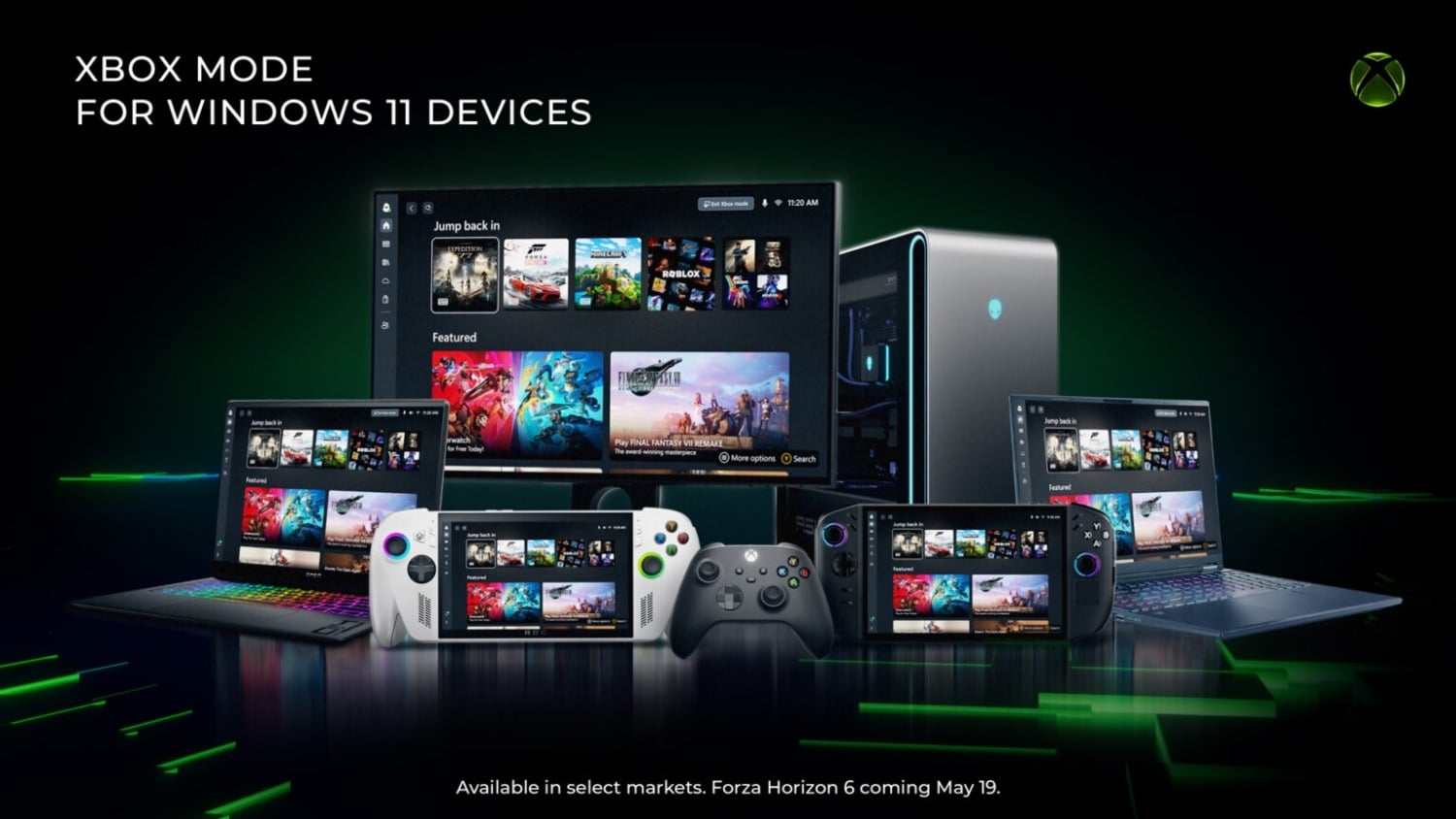
In the ever-evolving landscape of PC gaming, the pursuit of an immersive, seamless experience is paramount. Microsoft, a titan in both operating systems and gaming consoles, recently introduced 'Xbox Mode' to Windows 11, aiming to bridge the gap between console simplicity and PC power. Touted as a "no compromises" solution, this feature promised a controller-friendly, full-screen interface, reminiscent of Steam's Big Picture mode, designed to put all your games front and center. However, what was intended as a leap forward has, for many, become a frustrating step backward, revealing a significant oversight that strikes at the heart of modern PC gaming: the ubiquitous multi-monitor setup.
Reports from the PC gaming community have swiftly highlighted a critical flaw: activating Xbox Mode on Windows 11 automatically disables all secondary displays. For a demographic that frequently uses multiple monitors for everything from streaming and chat to productivity and guides, this isn't merely an inconvenience; it's a fundamental disruption to their established workflow and gaming environment. This issue not only contradicts the very notion of a "no compromises" experience but also raises questions about Microsoft's understanding of its PC gaming audience.
The Multi-Monitor Imperative: A Pillar of Modern PC Gaming
The rise of multi-monitor setups in PC gaming isn't a niche trend; it's a well-established standard. A 2023 survey by Statista indicated that over 60% of PC gamers use at least two monitors, with a significant portion employing three or more. This isn't just for aesthetic appeal; it's about functionality. Gamers routinely utilize secondary screens for a myriad of tasks that enhance their primary gaming experience:
* Streaming and Content Creation: Many gamers broadcast their gameplay on platforms like Twitch or YouTube, requiring dedicated screens for OBS, chat, and stream management software. * Communication: Discord, TeamSpeak, and other voice chat applications are often relegated to a second monitor, allowing players to communicate with teammates without alt-tabbing. * Guides and Walkthroughs: For complex RPGs or strategy games, having a wiki, map, or guide open on a secondary display is invaluable. * Productivity and Multitasking: Even during gaming sessions, users might keep an eye on emails, social media, or other background tasks. * System Monitoring: Displaying hardware temperatures, frame rates, and other performance metrics is common practice.
The expectation, therefore, is that any new gaming-centric feature would integrate seamlessly with, rather than actively disrupt, this established ecosystem. Xbox Mode's current implementation forces users into an all-or-nothing choice: either embrace the streamlined console-like interface and lose peripheral vision, or forego the mode entirely to maintain their multi-monitor functionality.
A Historical Perspective: Microsoft's Shifting PC Gaming Strategy
Microsoft's journey in PC gaming has been a complex one, marked by periods of both innovation and missteps. In the early 2000s, the company was a dominant force with DirectX, Games for Windows Live, and a strong presence in PC game publishing. However, the rise of Steam and other digital storefronts, coupled with some unpopular decisions regarding Games for Windows Live, saw Microsoft's influence wane.
The last decade has seen a renewed push, particularly with the advent of Xbox Game Pass for PC and the integration of Xbox services directly into Windows. This strategy aims to create a unified gaming ecosystem, blurring the lines between console and PC. Features like Xbox Mode are a direct manifestation of this vision, attempting to bring the simplicity and curated experience of a console dashboard to the often-complex world of PC gaming.
However, this ambition occasionally clashes with the inherent flexibility and customization that define PC gaming. The multi-monitor issue with Xbox Mode is not an isolated incident but rather a symptom of a broader challenge: how to design features that cater to the console-like experience without alienating the core PC user base, which thrives on choice and adaptability. Previous attempts to enforce console-like restrictions on PC, such as the initial DRM policies for Xbox One games that were later reversed due to public outcry, serve as cautionary tales.
Technical Hurdles or Design Oversight?
The technical reasons behind Xbox Mode's multi-monitor behavior are not immediately clear. It's possible that the mode is designed to optimize resources solely for the primary display, or perhaps it's a legacy behavior inherited from console development where a single display is the norm. Another theory suggests that the full-screen exclusive mode, which Xbox Mode likely employs for performance, inherently takes control of display outputs in a way that Windows' desktop environment does not. While full-screen exclusive modes can offer marginal performance benefits by giving the game direct control over the display output, modern borderless windowed modes often achieve similar performance with far greater user flexibility.
Regardless of the underlying technical justification, the user experience is undeniably compromised. For a company with the vast engineering resources of Microsoft, finding a solution that allows Xbox Mode to operate without disabling secondary displays should be a priority. This could involve:
* Implementing a true borderless windowed mode: Allowing the Xbox Mode interface to run as a borderless window on the primary display, leaving other monitors untouched. * Providing user options: Giving users the choice to enable or disable secondary displays within the Xbox Mode settings. * Intelligent display management: Developing a system that recognizes and preserves secondary displays while optimizing the primary for gaming.
The current situation suggests a design philosophy that prioritizes a singular, console-like focus over the diverse and often complex setups of PC gamers. This might stem from a desire to simplify the user experience for those new to PC gaming or those transitioning from consoles, but it comes at the cost of alienating a significant portion of the existing PC gaming community.
Implications for Microsoft and the PC Gaming Ecosystem
The implications of this multi-monitor issue extend beyond mere inconvenience. For Microsoft, it risks undermining the credibility of its "no compromises" promise and potentially alienating a crucial segment of its PC Game Pass subscribers. In a highly competitive market, where platforms like Steam offer robust multi-monitor support and extensive customization, such oversights can lead to user frustration and a preference for alternative solutions.
Furthermore, it highlights a broader challenge for any company attempting to unify disparate gaming ecosystems. PC gamers value control, customization, and the ability to tailor their experience to their exact needs. Any feature that removes or restricts these fundamental aspects, particularly without offering viable alternatives, is likely to face resistance.
Microsoft's success in PC gaming hinges on its ability to understand and cater to the unique demands of this audience, rather than simply porting console-centric paradigms. The Xbox Mode, while conceptually sound for certain users, needs to evolve to embrace the versatility that defines PC gaming. Addressing the multi-monitor issue is not just a bug fix; it's an opportunity for Microsoft to demonstrate its commitment to the PC gaming community and to truly deliver on the promise of a unified, yet flexible, gaming future.
The Path Forward: Listening to the Community
The good news is that software is iterative, and user feedback can drive significant improvements. The PC gaming community is vocal and passionate, and their collective voice has historically influenced major changes in game development and platform features. Microsoft has a track record of responding to community feedback, as seen with previous Windows updates and Xbox features.
For Xbox Mode to truly live up to its potential, Microsoft must acknowledge this issue and prioritize a solution that respects the multi-monitor setups of its users. This means not just fixing the problem but engaging with the community to understand their needs and integrate features that genuinely enhance, rather than hinder, their PC gaming experience. A "no compromises" approach should empower users, not restrict them.
Ultimately, the success of Xbox Mode on Windows 11 will depend on its ability to adapt to the diverse and demanding landscape of PC gaming. By embracing the flexibility and customization that PC gamers cherish, Microsoft can transform this current stumble into a stepping stone towards a truly integrated and universally appealing gaming ecosystem.
Stay Informed
Get the world's most important stories delivered to your inbox.
No spam, unsubscribe anytime.
Comments
No comments yet. Be the first to share your thoughts!