Xbox 'Project Helix' Faces Unprecedented Delay Amidst Global Memory Crisis: A Deep Dive
Microsoft's next-generation console, codenamed 'Project Helix,' is reportedly encountering significant hurdles, with its launch potentially delayed due to an escalating global memory chip shortage. This crisis is preventing Microsoft from finalizing specifications and pricing, casting a shadow over the future of Xbox gaming. The situation highlights broader supply chain fragilities impacting the tech industry and raises questions about console availability and cost for consumers.
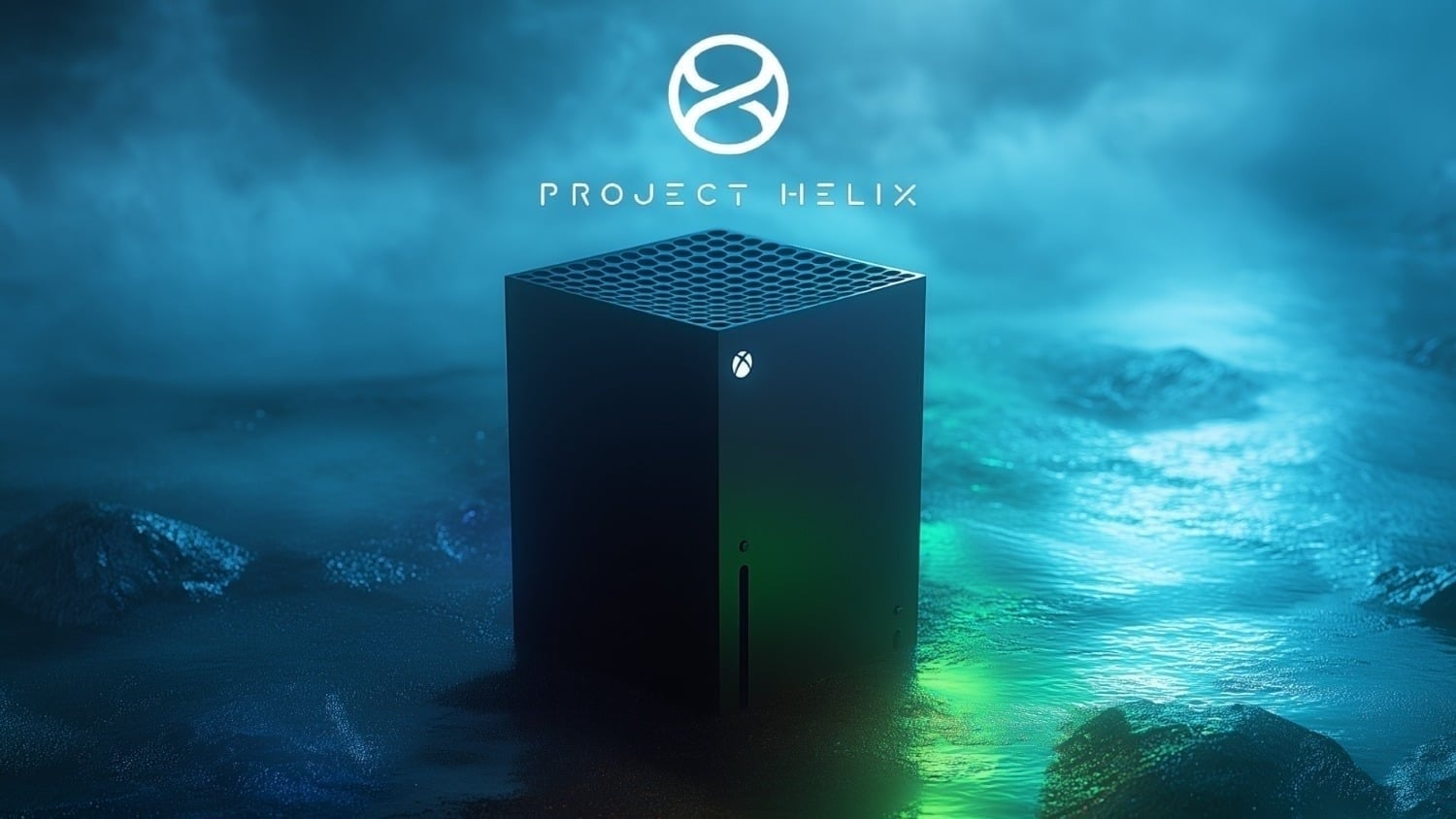
The highly anticipated launch of Microsoft's next-generation console, internally codenamed 'Project Helix,' is reportedly facing an unprecedented delay, sending ripples of concern through the gaming community and the broader technology sector. What was once whispered as a potential late 2025 or early 2026 release now appears increasingly uncertain, primarily due to a severe and persistent global memory chip crisis. This unforeseen turbulence is forcing Microsoft to reconsider its timeline, unable and unwilling to lock in crucial specifications and pricing in a hardware market described as wildly unpredictable.
The initial tease of Project Helix came from Asha Sharma, the newly appointed CEO of Xbox Gaming, who recently took the helm from the long-serving Phil Spencer. Sharma's brief, yet tantalizing, mention ignited a fervor among gamers eager for the next leap in console technology. However, the enthusiasm is now tempered by the stark realities of a global supply chain under immense strain, particularly concerning Dynamic Random-Access Memory (DRAM) and NAND flash memory, components critical to modern gaming consoles.
The Unfolding Memory Crisis: A Global Bottleneck
The current memory crisis is not an isolated incident but rather the culmination of several compounding factors that have plagued the semiconductor industry for years. The initial shockwave came from the COVID-19 pandemic, which disrupted manufacturing and logistics worldwide. This was exacerbated by a surge in demand for personal electronics, data centers, and automotive components as remote work and digital consumption became the norm. While some sectors saw a brief easing, the memory market has remained stubbornly tight, periodically experiencing acute shortages.
Key factors contributing to the current predicament include: * Geopolitical Tensions: Trade disputes and regional conflicts have led to stockpiling and restrictions on technology exports, creating artificial scarcity and driving up prices. * Underinvestment in Older Fabs: Many manufacturers have prioritized investment in cutting-edge, smaller-node technologies, leading to a neglect of older, but still essential, fabrication plants that produce many standard memory chips. * Increased Demand from AI and Cloud Computing: The explosion of Artificial Intelligence (AI) applications and the relentless expansion of cloud infrastructure demand vast quantities of high-bandwidth memory (HBM) and standard DRAM, diverting supply from other sectors. * Natural Disasters and Accidents: Unexpected events, such as factory fires or power outages in key manufacturing regions, have periodically crippled production, further tightening supply.
Industry analysts, like Dr. Lena Petrova from TechInsights, estimate that memory chip lead times for some critical components have stretched from a typical 8-12 weeks to an astounding 40-50 weeks, a situation unprecedented in recent memory. This volatility makes long-term planning, especially for a complex product like a gaming console, a logistical nightmare.
Microsoft's Dilemma: Specifications, Pricing, and Market Position
For Microsoft, the memory crisis presents a multi-faceted challenge. A gaming console's performance is intrinsically linked to its memory architecture – the speed, capacity, and type of DRAM and NAND flash directly impact graphics rendering, loading times, and overall system responsiveness. Without a stable supply and predictable pricing, Microsoft is in a bind:
1. Spec Lock-in: Finalizing the technical specifications for Project Helix requires certainty regarding component availability. Committing to a specific memory configuration only to find the supply constrained or prohibitively expensive could force last-minute redesigns, incurring massive costs and further delays. 2. Pricing Strategy: The cost of memory chips is a significant factor in the overall bill of materials (BOM) for a console. An unpredictable memory market makes it nearly impossible to set a competitive retail price point. Microsoft risks either launching with a price that alienates consumers or absorbing substantial losses, neither of which is a desirable outcome. 3. Competitive Landscape: Rivals like Sony, with its PlayStation platform, and Nintendo, with its unique hardware strategy, are also navigating these challenges. While the entire industry is affected, any significant delay or pricing misstep by Xbox could give competitors an advantage, especially if they manage to secure supply more effectively or launch alternative products.
Microsoft's reluctance to lock in specifications and pricing is a prudent, albeit frustrating, move. It suggests a commitment to delivering a high-quality product at a sustainable price, rather than rushing to market with compromises. However, the longer the delay, the greater the risk of losing momentum and consumer interest.
Historical Context: Lessons from Past Console Cycles
The history of console launches is replete with examples of supply chain woes and their impact. The PlayStation 2, for instance, faced initial shortages that led to scalping and frustrated consumers. More recently, the launches of both the PlayStation 5 and Xbox Series X/S in 2020 were severely hampered by the early stages of the semiconductor crisis, leading to years of limited availability and inflated resale prices. Even now, nearly four years post-launch, securing certain components remains a challenge for manufacturers.
This historical context provides a crucial backdrop for Project Helix. Microsoft is acutely aware of the consumer backlash and brand damage that can result from a botched launch characterized by scarcity. The company likely aims to avoid a repeat of the PS5/Xbox Series X/S scenario, where demand far outstripped supply for an extended period. This cautious approach, while delaying gratification for gamers, is a strategic decision to ensure a smoother, more widely available launch once the supply chain stabilizes.
The Road Ahead: Implications for Gamers and the Industry
The potential delay of Project Helix carries significant implications for various stakeholders:
* For Gamers: The wait for next-gen innovation will be longer. This could mean a prolonged lifecycle for current-generation consoles, with developers continuing to optimize games for existing hardware. It also raises concerns about potential price increases if memory costs remain elevated. * For Developers: Game studios planning titles for Project Helix will need to adjust their development roadmaps, potentially extending production cycles or adapting to a later launch window. This could impact investment decisions and release schedules. * For Microsoft's Strategy: A delayed console launch could shift Microsoft's focus towards its cloud gaming initiatives, such as Xbox Cloud Gaming (xCloud), and its PC gaming ecosystem. This might accelerate the company's pivot towards a more platform-agnostic approach, reducing reliance on traditional console hardware cycles. * For the Semiconductor Industry: The crisis underscores the urgent need for greater investment in diversified manufacturing capabilities and more resilient supply chains. Governments worldwide are already pushing for increased domestic chip production, but these efforts take years to materialize.
As the memory crisis continues to unfold, the future of Project Helix remains shrouded in uncertainty. Microsoft's decision to prioritize stability over a rushed launch is understandable, but it places the company in a precarious position within the fiercely competitive gaming market. The coming months will be critical in determining whether the industry can navigate these turbulent waters and deliver the next generation of gaming experiences without further significant delays. The world watches, hoping for a resolution that will allow Project Helix to eventually shine, unburdened by the constraints of a challenging hardware landscape.
Stay Informed
Get the world's most important stories delivered to your inbox.
No spam, unsubscribe anytime.
Comments
No comments yet. Be the first to share your thoughts!