Yindjibarndi Owners Weigh Appeal Against Fortescue's 'Unsatisfactory' $150M Native Title Payout
Traditional owners of the Yindjibarndi lands are considering an appeal against a Federal Court's record $150 million native title compensation payout from Fortescue Metals Group. They argue the sum is 'unsatisfactory' and fails to adequately cover the extensive cultural and financial losses incurred due to mining operations. This landmark case highlights the ongoing struggle for Indigenous land rights and equitable compensation in Australia's resource-rich regions.
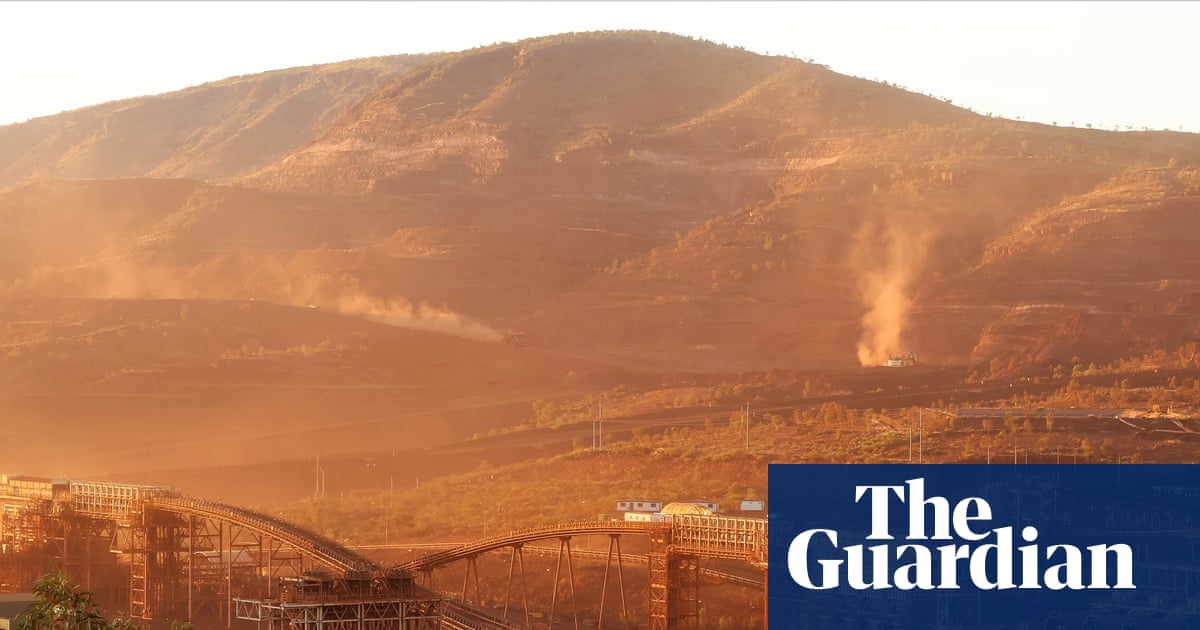
In a development that underscores the persistent tension between resource extraction and Indigenous rights, the Yindjibarndi traditional owners are poised to challenge a landmark Federal Court ruling. The Yindjibarndi Ngurra Aboriginal Corporation has labeled the record $150 million compensation payout from mining giant Fortescue Metals Group (FMG) as "unsatisfactory," signaling their intent to appeal the decision. This substantial sum, intended to compensate for the impact of FMG's Solomon Hub iron ore operation on their ancestral lands, is deemed insufficient to cover the profound cultural and financial losses suffered since mining commenced.
A Decades-Long Battle for Justice
The dispute between the Yindjibarndi people and Fortescue is not a recent phenomenon. It represents a protracted legal and cultural battle spanning over two decades, emblematic of broader conflicts between Indigenous communities and powerful mining corporations across Australia. The Yindjibarndi have consistently asserted their native title rights over a vast area of the Pilbara region in Western Australia, an area rich in iron ore and central to the nation's economy. Their fight gained significant traction when, in 2017, the Federal Court recognized their exclusive native title rights over the land where Fortescue's Solomon Hub operates. This recognition was a pivotal moment, affirming their deep connection to country and setting the stage for the current compensation claim.
The recent $150 million judgment, delivered by Justice Michael O'Bryan, is the largest native title compensation payout in Australian history. While seemingly substantial, the Yindjibarndi argue it falls short of addressing the true cost of the irreversible damage to their cultural heritage, sacred sites, and traditional way of life. The Solomon Hub, a massive iron ore complex, has been operational since 2012, extracting billions of dollars worth of resources from Yindjibarndi country. The community's leadership emphasizes that the compensation must reflect not only the economic value of the resources extracted but also the intangible, yet invaluable, cultural and spiritual losses.
The 'Unsatisfactory' Nature of the Payout
For the Yindjibarndi, the $150 million figure is not just a financial calculation; it represents an undervaluation of their heritage. Michael Woodley, CEO of the Yindjibarndi Ngurra Aboriginal Corporation, articulated the community's disappointment, stating that the payout "does not come close to what we believe is fair compensation for the destruction of our country and culture." This sentiment highlights a fundamental disconnect between the legal framework's approach to compensation and the holistic understanding of loss held by Indigenous communities.
Key areas of concern for the Yindjibarndi include: * Cultural Heritage Destruction: The irreversible damage to sacred sites, songlines, and archaeological artifacts. These are not merely historical relics but living parts of their cultural identity and spiritual connection to the land. * Environmental Impact: The long-term effects of mining on the landscape, water sources, and biodiversity, which impact traditional hunting, gathering, and cultural practices. * Economic Disparity: The vast profits generated by Fortescue from their lands versus the perceived inadequacy of the compensation, which they argue does not provide sufficient resources for future community development, self-determination, and healing. * Loss of Control: The inability to control or prevent the destruction of their land during mining operations, leading to a profound sense of disempowerment.
The decision to appeal underscores their resolve to seek a more just and equitable outcome, one that genuinely reflects the magnitude of their losses and the principles of self-determination.
Implications for Native Title and Corporate Responsibility
This case carries significant implications beyond the Yindjibarndi and Fortescue. It sets a precedent for future native title compensation claims across Australia, particularly in resource-rich regions. An appeal, if successful, could redefine the parameters for assessing cultural and economic damages, potentially leading to higher compensation awards and more robust protections for Indigenous heritage.
For mining companies like Fortescue, the ongoing legal challenge serves as a stark reminder of the complexities and responsibilities associated with operating on Indigenous lands. It reinforces the growing expectation for corporations to engage meaningfully with traditional owners, secure free, prior, and informed consent (FPIC), and ensure that benefits are shared equitably. The global spotlight on environmental, social, and governance (ESG) factors means that companies are increasingly scrutinized for their treatment of Indigenous communities and their environmental footprint.
Furthermore, this situation reignites debates about the adequacy of Australia's native title framework. Critics argue that the current system often places an undue burden on Indigenous communities to prove their losses and navigate complex legal processes against well-resourced corporations. There is a growing call for reforms that prioritize Indigenous cultural values and empower communities in negotiations.
The Path Forward: A Broader Movement for Justice
The Yindjibarndi's decision to appeal is not an isolated incident but part of a broader, global movement by Indigenous peoples to assert their rights, protect their heritage, and demand justice for historical and ongoing injustices. Their fight resonates with other communities worldwide facing similar challenges from industrial development.
Should the appeal proceed, it will likely involve a meticulous re-evaluation of the evidence, expert testimonies on cultural value, and potentially a reinterpretation of legal precedents regarding compensation. The outcome will be closely watched by legal scholars, Indigenous rights advocates, and the mining industry alike.
Ultimately, the Yindjibarndi's unwavering stance underscores a critical truth: for Indigenous communities, land is not merely a commodity; it is the very essence of their identity, culture, and future. Their pursuit of a truly satisfactory resolution with Fortescue is a testament to their resilience and their enduring commitment to protecting their ancestral lands for generations to come. The resolution of this case will undoubtedly shape the future landscape of Indigenous land rights and corporate accountability in Australia and beyond.
Stay Informed
Get the world's most important stories delivered to your inbox.
No spam, unsubscribe anytime.
Comments
No comments yet. Be the first to share your thoughts!