Africa's Bold Leap: From Space Participant to Global Leader by 2026
African leaders are being urged to pivot from mere participation to assertive leadership in the burgeoning global space economy. A pivotal call at the NewSpace Africa Conference 2026 in Libreville emphasized the continent's unique opportunity to harness space technology for sustainable development and economic growth. This strategic shift aims to position Africa at the forefront of a multi-trillion-dollar industry, fostering innovation, creating jobs, and addressing pressing societal challenges.
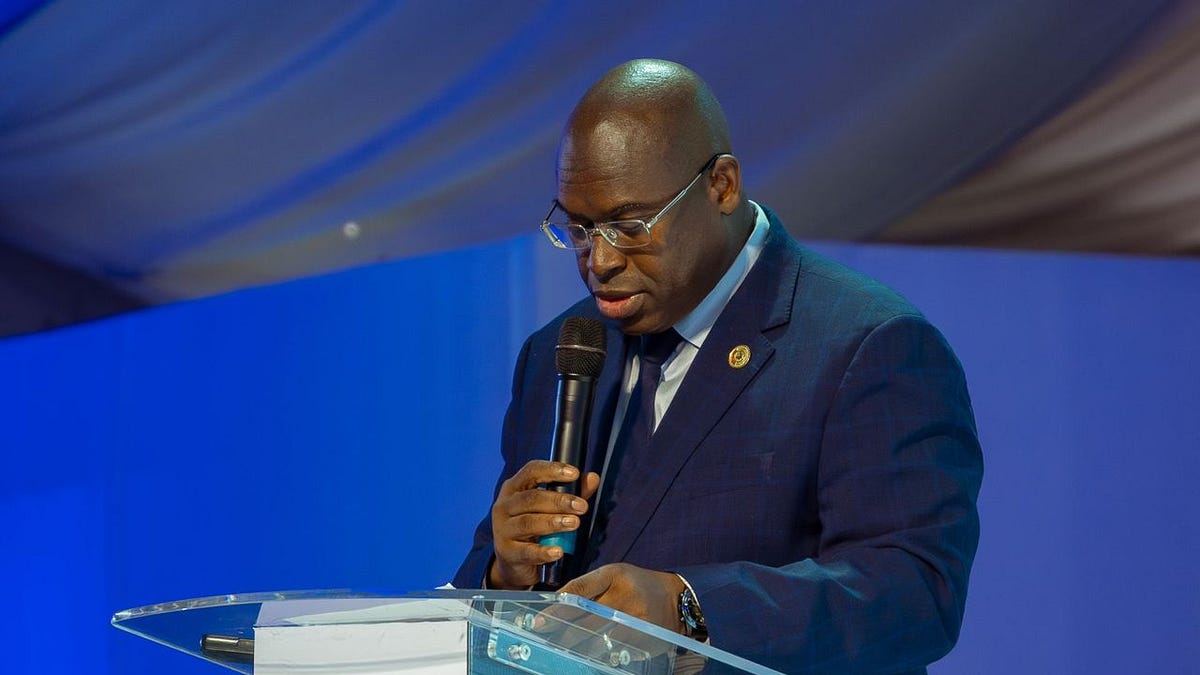
LIBREVILLE, Gabon – The call echoed through the halls of the NewSpace Africa Conference 2026 in Libreville, a clarion demand for Africa to seize its moment in the cosmos. Tidiane Ouattara, a prominent continental official, delivered a keynote address that resonated with urgency and ambition: Africa must transition from a passive participant to an assertive leader in the global space economy. This isn't merely about national pride; it's about securing a vital stake in an industry projected to reach a staggering $1 trillion by 2030, and potentially $10 trillion by 2050.
Ouattara's message was unequivocal: “We are no longer in an economy of prestige, we are in an economy of necessity, of development, of job creation.” This statement encapsulates the profound shift in perspective needed across the continent. For too long, Africa's engagement with space has been characterized by partnerships where the continent often plays a secondary role, receiving technology rather than driving its creation and application. The time, he argued, has come for a fundamental reorientation, leveraging indigenous talent, resources, and unique challenges to forge a distinct African space narrative.
The Urgency of Now: Why Africa Cannot Afford to Wait
The global space economy is undergoing an unprecedented boom, driven by advancements in satellite technology, declining launch costs, and the proliferation of commercial applications. From earth observation for climate monitoring and agricultural optimization to satellite internet for bridging digital divides, space-based services are becoming indispensable for modern societies. Africa, with its vast geographical expanse, diverse ecosystems, and significant developmental needs, stands to benefit immensely from these technologies. However, without active leadership and investment, the continent risks becoming a mere consumer of services developed elsewhere, perpetuating economic dependencies and missing out on the immense value creation potential.
Ouattara highlighted the critical juncture Africa faces. The continent is home to a youthful, dynamic population, burgeoning tech hubs, and a growing recognition of the strategic importance of space. Yet, significant hurdles remain, including funding gaps, a lack of robust regulatory frameworks, and insufficient infrastructure. The conference itself, bringing together policymakers, scientists, engineers, and entrepreneurs from across Africa and beyond, served as a crucial platform to address these challenges head-on and foster collaborative solutions.
Building the Foundation: Key Pillars for African Space Leadership
Achieving space leadership requires a multi-faceted approach, focusing on several interconnected pillars. Human capital development is paramount. Investing in STEM education, training a new generation of space engineers, data scientists, and policy experts is essential. This includes fostering local universities and research institutions to become centers of excellence in space science and technology. Programs like the African Space Agency's initiatives to support postgraduate studies and technical training are vital in this regard.
Secondly, infrastructure development is crucial. This encompasses everything from ground stations and launch facilities to data processing centers. While a full-fledged indigenous launch capability might be a long-term goal for many African nations, developing robust ground segment infrastructure allows for greater control over satellite data reception and utilization. Furthermore, the development of indigenous satellite manufacturing capabilities, even at a small scale, can significantly reduce reliance on foreign suppliers and stimulate local innovation.
Thirdly, fostering an enabling policy and regulatory environment is indispensable. Clear, consistent, and forward-looking space policies are needed to attract investment, protect national interests, and ensure responsible space activities. This includes developing national space laws, intellectual property frameworks, and participating actively in international space governance. The establishment of the African Space Agency (AfSA) is a monumental step in this direction, providing a continental body to coordinate efforts, harmonize policies, and champion Africa's interests on the global stage.
Finally, strategic partnerships and funding mechanisms are vital. While self-reliance is a goal, collaborative efforts with international partners, particularly those willing to engage in genuine technology transfer and capacity building, can accelerate progress. Furthermore, exploring innovative financing models, including public-private partnerships and venture capital for space startups, will be key to unlocking the necessary investment for ambitious space programs.
Success Stories and Future Prospects: A Continent on the Rise
Despite the challenges, Africa is not starting from scratch. Several nations have already made significant strides in their space endeavors. Egypt has a long history in space, launching its first satellite in 1998. South Africa boasts a robust space program with capabilities in satellite manufacturing and earth observation. Nigeria has launched multiple satellites and is actively using space technology for resource management and security. Kenya recently launched its first operational earth observation satellite, Taifa-1, demonstrating growing indigenous capabilities.
These examples serve as powerful testaments to Africa's potential. The focus is shifting from simply acquiring satellites to developing the entire value chain, from design and manufacturing to data analysis and application development. The African Space Policy and Strategy, adopted by the African Union, provides a comprehensive framework for guiding these efforts, emphasizing the use of space science and technology for socio-economic development, environmental management, and security across the continent.
Looking ahead, the opportunities are immense. Space technology can revolutionize agriculture through precision farming, enhance disaster management and early warning systems, improve healthcare delivery in remote areas via telemedicine, and expand internet access to underserved populations. By taking a leadership role, Africa can tailor these solutions to its specific needs, creating sustainable economic growth and improving the quality of life for its citizens. The call from Libreville is not just for participation; it is an invitation to shape the future of space, with Africa at the helm of its own destiny in the cosmos.
The Road Ahead: Collaboration and Innovation
The journey to space leadership will undoubtedly be complex, requiring sustained commitment, significant investment, and unwavering political will. However, the dividends – in terms of economic growth, technological sovereignty, and improved societal well-being – are immeasurable. The NewSpace Africa Conference 2026 served as a powerful reminder that the continent possesses the talent, the vision, and the determination to achieve this ambitious goal.
Collaboration, both within Africa and with international partners, will be the bedrock of this success. Sharing expertise, pooling resources, and coordinating efforts will prevent duplication and maximize impact. Furthermore, fostering a vibrant ecosystem of space startups and innovators will be crucial for driving technological advancements and creating new economic opportunities. Africa's unique challenges can be powerful catalysts for innovation, leading to novel solutions that could benefit the entire world. The message is clear: Africa is ready to lead, and the global space community would do well to take notice.
Stay Informed
Get the world's most important stories delivered to your inbox.
No spam, unsubscribe anytime.
Comments
No comments yet. Be the first to share your thoughts!