Africa's New Vanguard: Why Women and Youth Are Key to Peace and Security
As terrorism and violent extremism escalate across Africa, a powerful consensus is emerging: women and youth must be at the forefront of peacebuilding efforts. This article explores the critical roles they play, often overlooked, in fostering stability and preventing conflict. It delves into the systemic barriers they face and advocates for their full inclusion in policy-making, highlighting successful initiatives and the urgent need for a paradigm shift in continental security strategies.
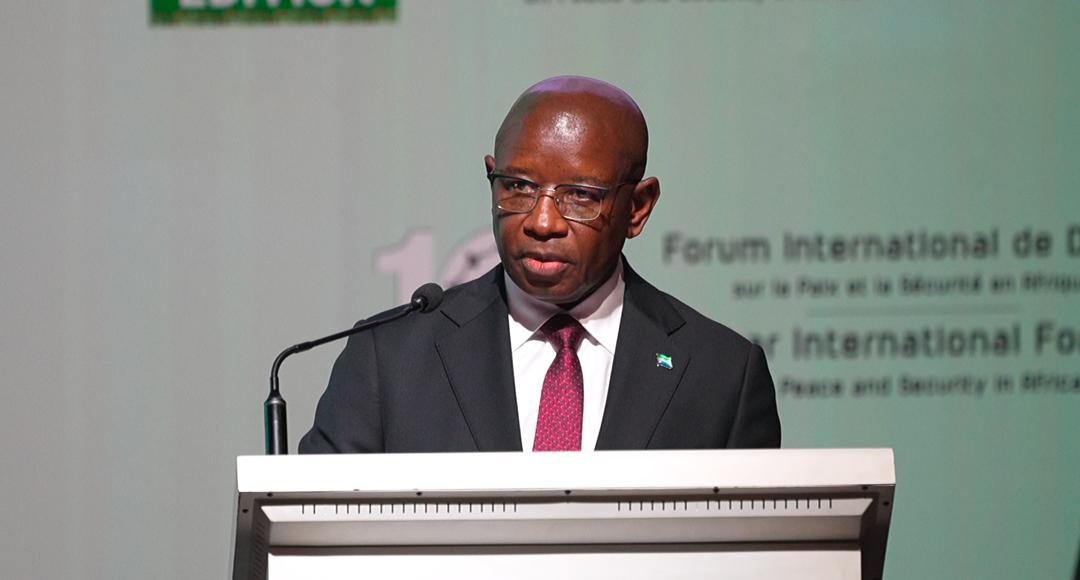
In the heart of a continent grappling with escalating terrorism, violent extremism, and protracted conflicts, a transformative call echoes louder than ever: Africa's peace and security efforts must be led by its women and youth. This isn't merely a moral imperative; it's a strategic necessity, born from decades of conventional approaches falling short and a growing recognition of the unique, often untapped, potential within these demographic groups. From the Sahel to the Horn of Africa, the specter of instability looms large, demanding innovative solutions that transcend traditional military responses and embrace community-led, inclusive peacebuilding.
The Shifting Sands of Conflict in Africa
Africa today faces a complex tapestry of security challenges. Groups like Boko Haram, Al-Shabaab, and various affiliates of ISIS and Al-Qaeda have exploited governance vacuums, socio-economic grievances, and ethnic tensions to sow discord and violence. The UN Security Council, in its recent deliberations, has repeatedly highlighted the devastating human cost of these conflicts, with millions displaced, livelihoods destroyed, and state authority eroded. The traditional top-down, male-dominated security architectures, often focused on kinetic operations, have proven insufficient to address the root causes of radicalization and sustained peace. This realization has spurred a re-evaluation, pushing the discourse towards more holistic and inclusive models.
Historically, women have been disproportionately affected by conflict, yet systematically excluded from peace negotiations and post-conflict reconstruction. Their experiences, perspectives, and inherent community-building roles have been largely sidelined. Similarly, youth, often seen either as victims or perpetrators, have rarely been positioned as agents of change and peace. This oversight has not only perpetuated cycles of violence but also missed crucial opportunities for sustainable peacebuilding. The current moment represents a pivotal opportunity to correct these historical imbalances and harness the demographic dividend of Africa's young and vibrant population, alongside the proven resilience and leadership of its women.
Women as Architects of Peace: Beyond the Battlefield
Women's involvement in peace and security extends far beyond their roles as victims or aid recipients. They are frontline responders, community mobilizers, early warning systems, and mediators in their homes and villages. Their intimate understanding of local dynamics, social networks, and the economic drivers of conflict makes them indispensable. For instance, in communities threatened by extremist groups, women are often the first to notice changes in behavior among youth, detect recruitment efforts, and organize local resistance or dialogue initiatives. Their credibility and access within communities are unparalleled.
UN Security Council Resolution 1325, adopted in 2000, was a landmark recognition of the crucial role of women in preventing and resolving conflicts, peace negotiations, peace-building, peace-keeping, humanitarian response, and in post-conflict reconstruction. However, two decades later, its implementation remains woefully inadequate. Statistics from UN Women show that women constitute only a small fraction of signatories, mediators, and negotiators in formal peace processes globally. In Africa, while there have been notable exceptions, such as Liberia's women-led peace movement, their systemic inclusion is still a distant goal. Empowering women means not just including them in formal processes but also investing in their leadership capacities, economic independence, and protection from gender-based violence, which often escalates during conflict.
Youth as Drivers of Change: From Vulnerability to Vitality
Africa is the world's youngest continent, with over 60% of its population under 25. This demographic bulge presents both a challenge and an immense opportunity. Unemployed and disenfranchised youth can be vulnerable to recruitment by extremist groups, offering a sense of purpose, belonging, and economic opportunity that formal structures often fail to provide. However, when properly engaged, youth are powerful innovators, advocates for justice, and champions of peace. Their energy, adaptability, and desire for a better future make them natural allies in peacebuilding.
Initiatives that empower youth through education, vocational training, and entrepreneurship not only provide alternatives to violence but also equip them with the skills to contribute positively to their communities. Youth-led peace movements, often leveraging social media and digital platforms, can rapidly disseminate messages of tolerance and counter extremist narratives. Programs like the African Union's 'Silencing the Guns by 2020' initiative, though extended, increasingly recognize the imperative of youth engagement. The challenge lies in moving beyond tokenistic inclusion to genuinely integrating youth perspectives into national and regional security policies, providing them with platforms for meaningful participation and decision-making power.
Systemic Barriers and the Path Forward
Despite the clear evidence of their efficacy, women and youth face significant systemic barriers. These include deeply entrenched patriarchal norms, limited access to education and resources, political marginalization, and security risks. For women, the threat of gender-based violence, both during and after conflict, is a constant deterrent. For youth, a lack of trust from older generations, coupled with limited economic opportunities, often creates a cycle of frustration and disengagement.
Addressing these barriers requires a multi-faceted approach:
* Policy Reform and Implementation: African states and regional bodies must move beyond rhetoric and enact concrete policies that mandate the inclusion of women and youth in all peace and security structures, from local councils to national security committees and regional organizations like the African Union and ECOWAS. * Capacity Building and Empowerment: Investing in training, education, and mentorship programs specifically designed for women and youth leaders in peacebuilding, mediation, and conflict resolution. * Resource Allocation: Directing adequate financial resources to women and youth-led organizations working on peace and security initiatives at the grassroots level. This includes funding for economic empowerment programs that reduce vulnerability to radicalization. * Data and Research: Collecting disaggregated data on the impact of conflict on women and youth, and their contributions to peace, to inform evidence-based policy-making. * Challenging Norms: Actively working to dismantle harmful social norms and stereotypes that limit the participation of women and youth, promoting narratives that highlight their agency and leadership.
A New Era of Inclusive Security
The call for women and youth to lead Africa's peace and security efforts is not a call for their exclusive leadership, but for their equitable and meaningful participation alongside other stakeholders. It represents a paradigm shift from a reactive, military-centric approach to a proactive, community-driven, and human-centered security framework. This inclusive model recognizes that true security is not merely the absence of war, but the presence of justice, equality, and opportunity for all citizens.
As Africa navigates the complexities of the 21st century, harnessing the immense potential of its women and youth is not just an option; it is the most viable path to building resilient, peaceful, and prosperous societies. The time for their full and unequivocal inclusion in shaping the continent's destiny is not tomorrow, but now. Their voices, experiences, and leadership are not just valuable; they are indispensable for forging a future where peace is not an aspiration, but a lived reality for every African. The international community and African governments must seize this moment, moving beyond performative gestures to genuine empowerment, thereby unlocking Africa's true potential for sustainable peace and security.
Stay Informed
Get the world's most important stories delivered to your inbox.
No spam, unsubscribe anytime.
Comments
No comments yet. Be the first to share your thoughts!