Africa's Digital Sovereignty: Why Controlling Its Cyber Future is Paramount
Africa stands at a critical juncture, grappling with the challenge of digital sovereignty. While debates rage over mineral resources and foreign investment terms, the control over digital infrastructure and data remains a crucial, yet often overlooked, frontier. This article explores the continent's urgent need to assert its independence in the digital realm, examining the economic, security, and developmental implications of external technological reliance. It highlights the proactive steps African nations are taking to build indigenous capabilities and secure their digital future.
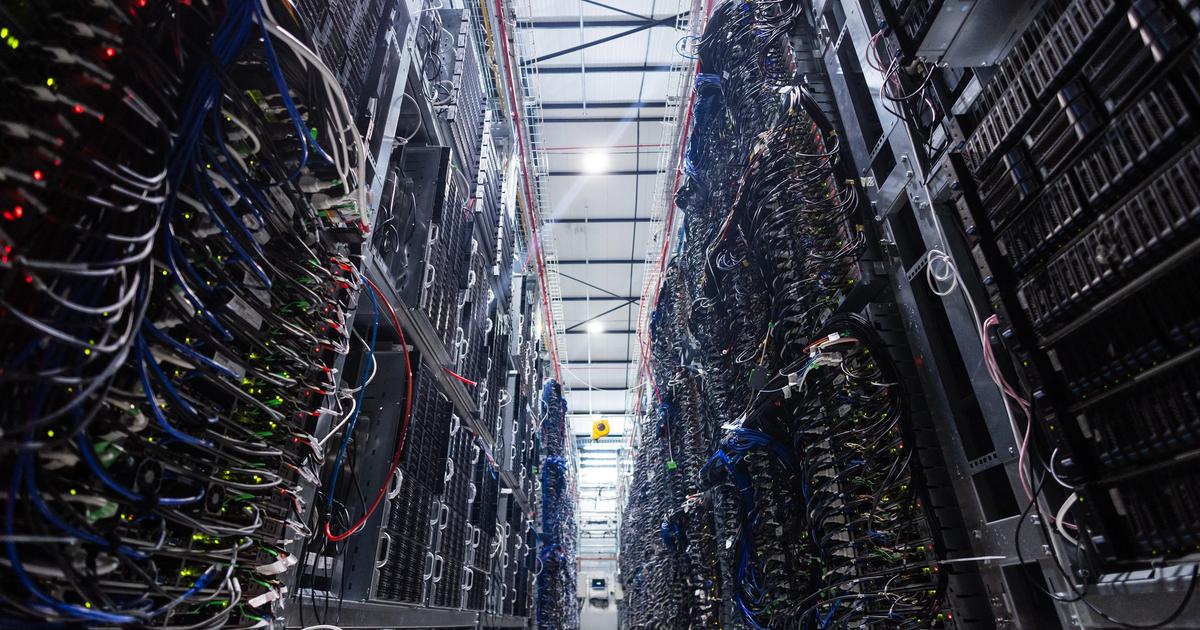
In the sprawling narrative of Africa's quest for self-determination and economic empowerment, a new, increasingly urgent chapter is being written: the battle for digital sovereignty. For decades, the continent has navigated complex relationships with global powers, negotiating terms for its vast natural resources, managing foreign investment, and striving to control its own economic destiny. Yet, as the world rapidly digitizes, a critical frontier has emerged—one that, if left unchecked, could undermine all other gains: the ownership, control, and governance of Africa's digital infrastructure and data. The stark reality, as encapsulated by the poignant observation, "You can let someone else build the infrastructure, but you shouldn’t let them decide how it operates," underscores the immense stakes involved.
This isn't merely about technological advancement; it's about fundamental autonomy. The digital realm, once seen as a neutral space, has become a battleground for influence, economic leverage, and national security. For Africa, a continent with a rapidly growing youth population and immense digital potential, the question of who controls its digital destiny is inextricably linked to its future prosperity and stability.
The Digital Colonialism Threat: A New Frontier of Control
The concept of digital colonialism is not hyperbole but a stark warning. It describes a scenario where developing nations, lacking the resources or expertise to build their own digital infrastructure, become perpetually reliant on foreign companies and governments. This reliance extends beyond mere technology provision; it encompasses data storage, network management, software development, and even policy frameworks. When external entities dictate the terms of digital operation, they gain unprecedented access to sensitive data, influence over information flows, and the power to shape economic and social development.
Consider the implications: a significant portion of Africa's internet traffic might traverse servers located outside the continent, subject to foreign laws and surveillance. Critical national data, from financial transactions to health records, could be stored in data centers owned and operated by non-African entities. Software vital for government operations, education, and commerce might be proprietary, offering limited transparency and potential backdoors. This dependency creates vulnerabilities, exposing African nations to data exploitation, cyber espionage, and even the weaponization of digital services during geopolitical tensions. The economic cost is also substantial, as significant capital flows out of the continent for digital services that could otherwise be developed and maintained locally, fostering job creation and innovation.
Building the Foundations: Infrastructure, Data, and Policy
Recognizing these threats, African leaders and policymakers are increasingly prioritizing digital sovereignty. This multifaceted endeavor requires concerted action across several key pillars:
* Infrastructure Development: The foundational step is to build and own robust, secure digital infrastructure. This includes fiber optic networks, data centers, and satellite communication systems. Initiatives like the Smart Africa Alliance are working to accelerate broadband penetration and promote shared infrastructure development. Investing in local data centers is crucial to ensure data residency and reduce reliance on foreign cloud providers. Ethiopia's recent efforts to build its own data centers and digital ID system exemplify this commitment. * Data Governance and Protection: Establishing comprehensive data protection laws, akin to Europe's GDPR, is paramount. These frameworks must define data ownership, regulate cross-border data flows, and ensure the privacy and security of citizens' information. Several African nations, including South Africa, Kenya, and Nigeria, have made strides in this area, but consistent implementation and enforcement remain challenges. The African Union's Data Policy Framework aims to provide a continent-wide approach to data governance. * Local Content and Innovation: Fostering a vibrant ecosystem of local tech talent, startups, and software developers is essential. This involves investing in STEM education, providing incubation programs, and creating policies that encourage local innovation. Developing indigenous software solutions reduces reliance on foreign vendors and ensures that digital tools are tailored to local needs and contexts. The rise of African tech hubs in Lagos, Nairobi, and Cape Town demonstrates this burgeoning capacity. * Cybersecurity Capacity Building: A strong digital defense is indispensable. African nations must invest in cybersecurity infrastructure, train experts, and establish national Computer Emergency Response Teams (CERTs) to protect against cyber threats. Collaborative efforts across the continent are vital to share intelligence and best practices.
The Geopolitical Chessboard: Navigating Global Tech Powers
The pursuit of digital sovereignty is not occurring in a vacuum. Africa finds itself on a geopolitical chessboard where global tech giants and state-backed enterprises from China, the US, and Europe vie for influence. Each offers distinct models, often accompanied by significant investment and technical assistance. While these partnerships can accelerate development, they also come with implicit (and sometimes explicit) conditions that can compromise sovereignty.
Chinese companies, for instance, have been instrumental in building telecommunications infrastructure across Africa, often offering competitive financing and rapid deployment. However, concerns about data security, surveillance, and vendor lock-in persist. Western companies, while often emphasizing privacy and open standards, may still exert control through proprietary software and cloud services. Africa's challenge is to leverage these partnerships strategically, negotiating terms that prioritize its long-term interests, technology transfer, and local capacity building, rather than simply accepting off-the-shelf solutions.
A Future Forged by African Hands
The journey towards digital sovereignty is complex and arduous, but it is a non-negotiable imperative for Africa's future. It demands sustained political will, significant investment, and a pan-African collaborative spirit. Success will not mean isolation from the global digital economy, but rather participation on its own terms, as an equal partner rather than a passive recipient of technology.
By building its own infrastructure, safeguarding its data, nurturing local innovation, and asserting its policy frameworks, Africa can ensure that the digital revolution serves its people first. This will unlock unprecedented opportunities for economic growth, improve public services, and strengthen democratic institutions. The continent's ability to control its digital fate will ultimately determine its capacity to truly control its resources, its capital, and its future. The time to act decisively is now, ensuring that Africa's digital destiny is forged by African hands, for African prosperity.
Stay Informed
Get the world's most important stories delivered to your inbox.
No spam, unsubscribe anytime.
Comments
No comments yet. Be the first to share your thoughts!