After the Aid: Africa's Health Systems Face Uncertainty as US Funding Shifts
For decades, US foreign aid has been the bedrock of African health systems, saving millions of lives through initiatives like PEPFAR and USAID. Now, as American priorities shift and funding models evolve, African nations face the daunting challenge of sustaining these critical programs. This article explores the profound implications of reduced US support and the urgent need for sustainable, locally-driven health solutions across the continent.
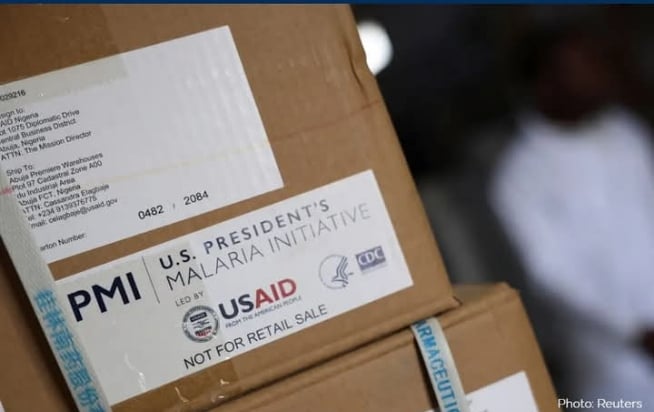
For decades, American foreign aid has been a lifeline for health systems across Africa. From the bustling HIV clinics in Uganda, which have dramatically reduced transmission rates and prolonged lives, to the vital maternal health programs in Nigeria, ensuring safer childbirth for countless women, US funding has quietly kept millions of Africans alive. Channelled primarily through the President's Emergency Plan for AIDS Relief (PEPFAR), the United States Agency for International Development (USAID), and the President's Malaria Initiative (PMI), this assistance has built infrastructure, trained healthcare workers, and delivered essential medicines, fundamentally transforming public health landscapes. However, as global geopolitical landscapes shift and domestic priorities in the US evolve, the specter of reduced or reconfigured aid looms large, prompting critical questions about the future sustainability and resilience of Africa's hard-won health gains.
A Legacy of Life-Saving Interventions
The story of US aid in Africa is one of unparalleled impact, particularly in the fight against infectious diseases. PEPFAR, launched in 2003 by President George W. Bush, stands as perhaps the most ambitious and successful global health initiative in history. It has provided antiretroviral treatment to over 20 million people, preventing millions of deaths and stabilizing communities once ravaged by the HIV/AIDS epidemic. Before PEPFAR, an HIV diagnosis in many African countries was a death sentence; today, it is a manageable chronic condition for millions. Similarly, USAID's broader health portfolio has supported everything from polio eradication to family planning, while PMI has drastically cut malaria mortality rates through insecticide-treated bed nets, antimalarial drugs, and indoor residual spraying.
These initiatives weren't just about providing money; they were about building capacity. They funded the training of doctors, nurses, and community health workers, strengthened laboratory systems, improved supply chains for medicines, and fostered data collection for better public health planning. This comprehensive approach created a robust framework that, for many African nations, formed the very backbone of their public health infrastructure. The partnership was symbiotic: US expertise and resources met local needs and determination, leading to tangible improvements in life expectancy, child mortality, and overall public health indicators across the continent.
The Shifting Sands of US Foreign Policy
The current geopolitical climate, marked by increasing domestic focus and shifting international priorities in the United States, signals a potential recalibration of foreign aid. While direct cuts have not always been explicit, there's a growing emphasis on burden-sharing, private sector engagement, and a move away from direct budgetary support towards more transactional relationships. This shift is partly driven by a desire to see recipient countries take greater ownership and financial responsibility for their health programs, and partly by a re-evaluation of US strategic interests globally. The narrative is moving from 'aid' to 'partnership,' which, while positive in principle, can translate into less predictable or lower levels of direct funding for critical health services.
Furthermore, the rise of new global health challenges, such as pandemics and non-communicable diseases, alongside ongoing crises, means that the existing aid pie is being stretched thinner. African nations, having grown accustomed to a certain level of external support for foundational health services, now face the daunting prospect of filling significant financial gaps. The question is no longer if the US will step back, but how and when, and what mechanisms will be in place to ensure that the progress made over decades is not undone.
The Imperative of African Ownership and Sustainability
The potential reduction in US aid presents both a challenge and an opportunity for African nations. The challenge is immediate and immense: how to maintain essential services like ARV distribution, vaccine campaigns, and maternal care without the consistent external funding they've relied upon. The opportunity, however, lies in accelerating the journey towards greater health sovereignty and self-reliance. This requires a multi-pronged approach:
* Increased Domestic Funding: African governments must prioritize health in their national budgets. While many nations have committed to allocating 15% of their budget to health (the Abuja Declaration), few have consistently met this target. Greater political will and innovative domestic resource mobilization are crucial. * Strengthening Local Manufacturing: Dependence on imported medicines and health technologies leaves African health systems vulnerable. Investing in local pharmaceutical manufacturing, vaccine production, and medical device innovation can enhance supply chain resilience and reduce costs. * Diversifying Partnerships: While traditional donors remain important, African countries are increasingly looking to new partners, including emerging economies and philanthropic organizations. Fostering south-south cooperation and leveraging private sector investment can create new funding streams. * Innovative Financing Mechanisms: Exploring health insurance schemes, public-private partnerships, and impact bonds can generate sustainable funding for health services, moving beyond reliance on donor grants. * Investing in Primary Healthcare: A strong primary healthcare system, accessible to all, is the most cost-effective way to improve population health outcomes and reduce the burden on specialized services.
Countries like Rwanda and Ethiopia have shown promising strides in domestic health financing and innovative service delivery models, demonstrating that progress is possible even with limited resources. Their experiences offer valuable lessons for others navigating this transition.
Expert Perspectives and Future Implications
Dr. Ngozi Okonjo-Iweala, Director-General of the World Trade Organization and former Nigerian Finance Minister, has often emphasized the need for African nations to take greater ownership of their development agendas, including health. "We cannot forever rely on external aid," she stated in a recent forum. "We must build resilient systems financed by our own resources and driven by our own priorities." This sentiment is echoed by many African health leaders who recognize that while aid has been vital, true sustainability comes from within.
However, the transition cannot be abrupt. A sudden withdrawal of funds could have catastrophic consequences, potentially reversing gains made against diseases like HIV, TB, and malaria. Experts advocate for a phased approach, allowing countries time to adapt and build capacity. "It's not about cutting aid, but about evolving aid," explains Dr. John Nkengasong, Director of the Africa Centres for Disease Control and Prevention. "We need partnerships that empower, not just provide handouts, and that means a clear roadmap for transitioning financial responsibility."
The implications of this shift are profound. It will test the resilience of African governance, the commitment of its leaders, and the ingenuity of its public health professionals. The future of millions of lives depends on how effectively African nations can pivot from being recipients of aid to architects of their own health destinies. The coming years will define whether the legacy of US assistance will be a temporary relief or the foundation for truly self-sustaining, robust health systems across the continent.
Conclusion: A Call for Strategic Adaptation
The era of unconditional, large-scale foreign aid for health in Africa, while not entirely over, is undoubtedly evolving. The question for African nations is no longer if they need to become more self-reliant, but how quickly and how effectively they can achieve it. The challenge is immense, requiring significant political will, innovative financing, and a renewed focus on domestic resource mobilization. However, it also presents an unprecedented opportunity to build health systems that are truly owned, managed, and sustained by Africans, for Africans. The transition will be complex, but with strategic adaptation, collaborative partnerships, and unwavering commitment, the continent can secure a healthier future for its growing population, ensuring that the hard-won gains of the past are not just preserved, but built upon for generations to come.
Stay Informed
Get the world's most important stories delivered to your inbox.
No spam, unsubscribe anytime.
Comments
No comments yet. Be the first to share your thoughts!