Ancient Wonders: Exploring Earth's Oldest Lakes and Their Enduring Mysteries
Dive deep into the geological marvels that are the world's oldest lakes, bodies of water that have existed for millions of years, shaping ecosystems and human history. This article explores their unique origins, biodiversity, and the profound scientific insights they offer into Earth's past and future. Discover why these ancient aquatic giants are more than just vacation spots, but living museums of evolution.
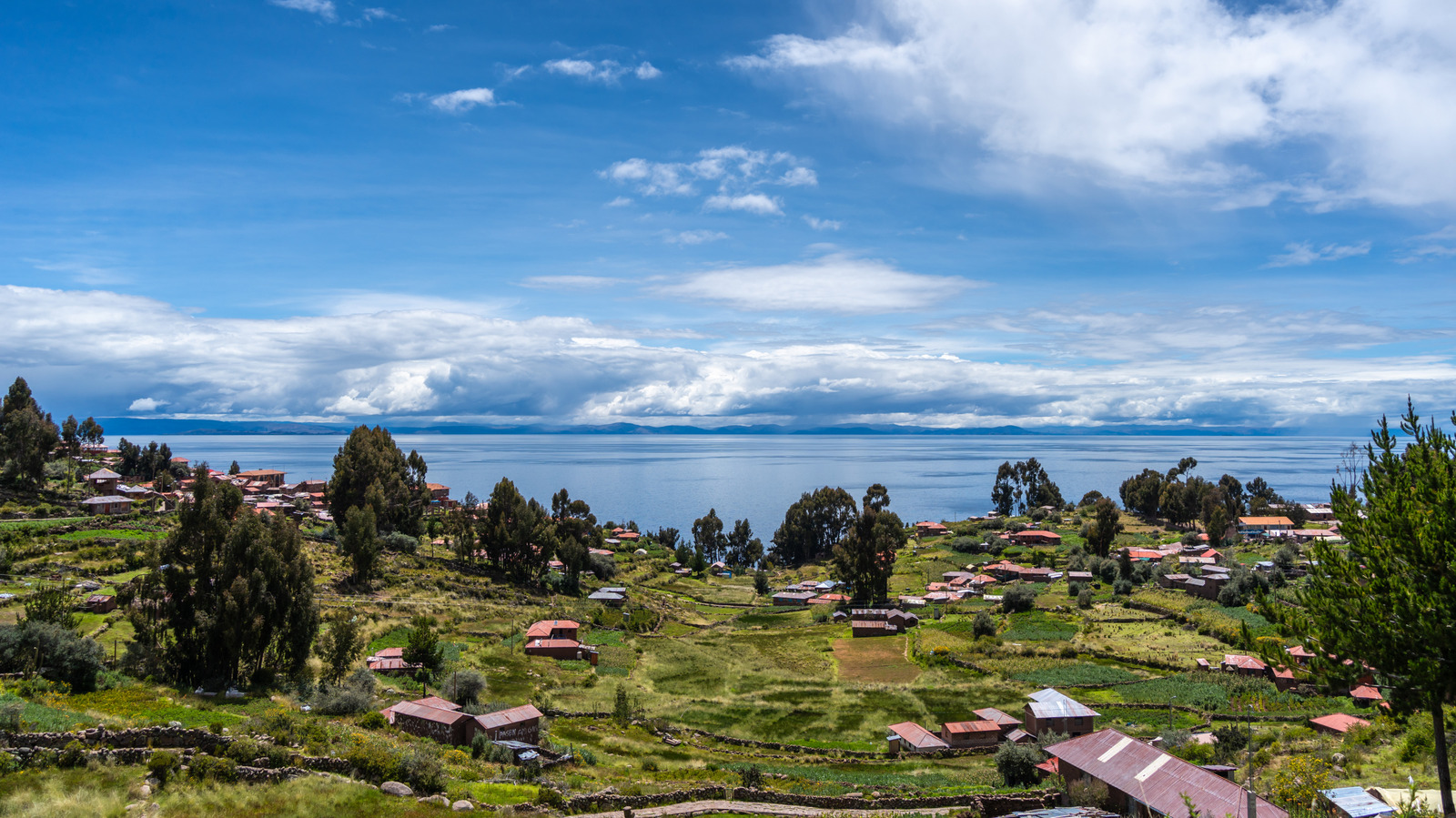
Imagine a body of water that has witnessed the rise and fall of dinosaurs, the shifting of continents, and the slow, relentless march of evolution over millions of years. These aren't mythical seas, but the world's oldest lakes – geological marvels that defy time, holding secrets of Earth's past within their depths. Far from mere scenic backdrops for a vacation, these ancient giants are living laboratories, offering unparalleled insights into biodiversity, climate change, and the very origins of life. At PulseWorld, we delve into the profound significance of these aquatic titans, exploring their unique formation, their enduring ecosystems, and the critical role they play in our understanding of the planet.
The Genesis of Geological Immortality: How Old Lakes Form
The concept of an 'old lake' extends far beyond human memory, reaching back into the Cenozoic, Mesozoic, and even Paleozoic eras. Unlike most lakes, which are ephemeral features lasting thousands of years at most before silting up or draining, these ancient lakes are tectonic depressions. They form in active rift zones, where the Earth's crust is pulling apart, creating deep, fault-bounded basins that can persist for millions of years. This continuous geological activity prevents them from filling with sediment, effectively granting them a form of geological immortality. Lake Baikal in Siberia, often cited as the oldest and deepest lake, is a prime example, formed in a rift valley over 25-30 million years ago. Its immense depth – over 1,642 meters – allows it to hold more water than all of North America's Great Lakes combined. Other ancient lakes, like Lake Tanganyika in East Africa, are also products of the Great Rift Valley, showcasing the powerful forces that sculpt our planet. These lakes are not static; they are dynamic systems, constantly interacting with the geological processes that birthed them, making them unique windows into Earth's deep history.
Biodiversity Hotspots: Evolution in Isolation
The isolation and stability of these ancient lakes have created unparalleled conditions for speciation and the evolution of unique life forms. Cut off from other aquatic systems for millions of years, their inhabitants have diversified into species found nowhere else on Earth. Lake Baikal, for instance, is a biodiversity hotspot, home to over 2,500 species of plants and animals, with more than 80% of them being endemic. This includes the Baikal seal (Phoca sibirica), the world's only exclusively freshwater seal, and a vast array of unique amphipods, fish, and invertebrates. Similarly, the African Great Lakes, including Tanganyika, Malawi, and Victoria (though Victoria is geologically younger, it's famous for its rapid speciation), are renowned for their incredible diversity of cichlid fish. These fish have undergone adaptive radiation, evolving into thousands of distinct species, each adapted to a specific ecological niche within the lake. Studying these endemic populations provides scientists with invaluable data on evolutionary processes, genetic adaptation, and the resilience of life in stable, yet isolated, environments.
Climate Archives: Reading Earth's Past
Beyond their living inhabitants, the sediments at the bottom of ancient lakes are invaluable paleoclimate archives. Each layer of sediment tells a story, preserving a record of past environmental conditions, including temperature fluctuations, precipitation levels, volcanic activity, and even atmospheric composition. Scientists extract sediment cores from these lakes, which can be millions of years old, to reconstruct detailed climate histories. For example, studies of Lake Baikal's sediments have revealed dramatic shifts in Siberian climate over the past 10 million years, providing crucial context for understanding current global warming trends. The continuous deposition of sediment, undisturbed by glacial scouring or marine transgressions, makes these lakes superior to many other geological records. By analyzing microfossils, pollen, and chemical markers within these cores, researchers can piece together intricate puzzles of ancient ecosystems and predict future environmental changes with greater accuracy. This scientific endeavor is vital for informing policy and conservation efforts in an era of rapid climate change.
Threats and Conservation: Preserving Ancient Legacies
Despite their resilience over geological timescales, the world's oldest lakes are not immune to modern threats. Pollution from industrial discharge, agriculture, and urban development poses significant risks to their delicate ecosystems. Overfishing can decimate endemic populations, disrupting the intricate food webs that have evolved over millennia. Furthermore, climate change itself presents a complex challenge, altering water temperatures, evaporation rates, and nutrient cycles, which can stress endemic species adapted to stable conditions. For instance, the unique Baikal seal is vulnerable to changes in ice cover, which it relies on for breeding. International efforts are underway to protect these natural treasures. Lake Baikal is a UNESCO World Heritage site, benefiting from various conservation programs. The Great Lakes of Africa also face immense pressure, leading to local and international initiatives focused on sustainable resource management, pollution control, and community engagement. The challenge lies in balancing human development with the preservation of these irreplaceable natural laboratories and their unique biodiversity.
A Glimpse into the Future: Lessons from the Past
The enduring presence of Earth's oldest lakes serves as a powerful reminder of our planet's deep history and the incredible adaptability of life. They are not just destinations for charming vacations, but profound sources of knowledge that continue to inform our understanding of geology, evolution, and climate science. As we face unprecedented environmental challenges, the lessons gleaned from these ancient waters become ever more critical. Their long-term stability, despite immense geological and climatic shifts, offers insights into resilience. Their unique biodiversity underscores the importance of preserving isolated habitats. Ultimately, these lakes compel us to look beyond the immediate, to appreciate the vastness of geological time, and to recognize our responsibility as stewards of these irreplaceable natural wonders for generations to come. They are a testament to the Earth's dynamic past and a beacon for its sustainable future.
Stay Informed
Get the world's most important stories delivered to your inbox.
No spam, unsubscribe anytime.
Comments
No comments yet. Be the first to share your thoughts!