Britain: A 'Soft Target' in the Information War, Warns Security Expert Fiona Hill
Former White House adviser Fiona Hill has issued a stark warning: Britain is increasingly vulnerable to Russian and other state-sponsored propaganda. She argues that the UK's failure to educate its populace on information warfare tactics leaves it exposed, making it a 'soft target' in the ongoing global battle for narratives. This deficiency, Hill suggests, undermines national resilience and democratic integrity.
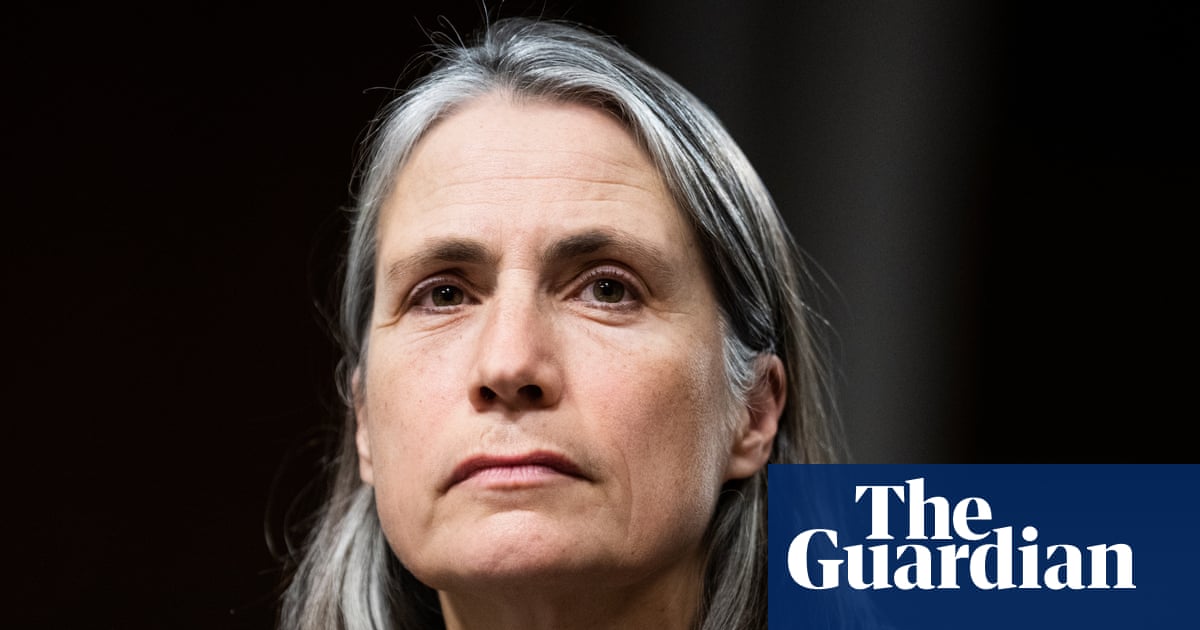
In an era defined by geopolitical tensions and the pervasive reach of digital communication, the battlefield has expanded beyond conventional military engagements to include the very fabric of public perception. It is within this complex landscape that former White House adviser and renowned security expert Fiona Hill has delivered a sobering assessment: Britain, she contends, is becoming a 'soft target' for Russian and other state-sponsored propaganda. Her testimony to a parliamentary committee paints a concerning picture of a nation ill-equipped to counter sophisticated information warfare, primarily due to a systemic failure to educate its citizens on how to discern and resist such insidious influence.
The Unseen Battlefield: Information Warfare Defined
Information warfare, often dubbed 'hybrid warfare', is a multifaceted strategy employed by state actors to achieve political, economic, or military objectives without direct armed conflict. It encompasses a broad spectrum of activities, including disinformation campaigns, propaganda dissemination, cyberattacks, psychological operations, and the manipulation of social media. The ultimate goal is to sow discord, undermine trust in democratic institutions, influence public opinion, and destabilize adversaries from within. Russia, in particular, has honed these tactics over decades, leveraging its state-controlled media, troll farms, and sophisticated cyber capabilities to project its narratives globally. From interfering in elections to amplifying divisive social issues, the Kremlin's playbook is extensive and constantly evolving.
Fiona Hill, known for her deep expertise on Russia and her service on the National Security Council, emphasized that this isn't merely about 'fake news' but a deliberate, strategic effort to exploit vulnerabilities. "We don't educate people about information warfare," Hill stated, highlighting a critical gap in national defense. This lack of public literacy in media discernment and critical thinking leaves the populace susceptible to narratives designed to polarize and mislead. Unlike traditional military threats, which are met with robust defense budgets and strategic planning, the threat of information warfare often goes unrecognized or underestimated by the very people it targets.
Britain's Vulnerability: A Systemic Oversight
Hill's critique centers on what she perceives as a fundamental oversight in Britain's national security strategy: the absence of a comprehensive public education initiative on information warfare. While the UK has invested significantly in cybersecurity and intelligence capabilities to counter state-sponsored threats, these efforts often focus on technical defenses rather than empowering the public. The argument is that even the most advanced firewalls cannot protect against a population that lacks the tools to critically evaluate the information it consumes daily.
* Lack of Media Literacy: Many citizens, particularly younger generations, consume news primarily through social media platforms, which are notoriously difficult to regulate and often serve as conduits for disinformation. Without formal education on source verification, logical fallacies, and propaganda techniques, individuals are ill-equipped to distinguish credible information from malicious narratives. * Historical Context: Historically, Britain has faced propaganda during wartime, but the digital age presents a challenge of unprecedented scale and speed. The traditional gatekeepers of information – established news organizations – have seen their influence wane, making it easier for foreign adversaries to bypass them and directly target audiences. * Democratic Openness: The very openness of democratic societies, with their emphasis on free speech and diverse opinions, can be exploited. Adversaries can amplify fringe views, create echo chambers, and exacerbate existing societal divisions, turning internal debates into tools of external influence.
This vulnerability is not unique to Britain, but Hill's specific focus on the UK suggests a particular concern about its current state of preparedness. The implications are profound, potentially affecting everything from public trust in institutions to the integrity of democratic processes and national cohesion.
The Global Landscape: A Broader Threat
While Fiona Hill specifically highlighted Russia, she also alluded to other state actors employing similar tactics. China, for instance, has significantly expanded its global media footprint and employs sophisticated influence operations to shape narratives favorable to its geopolitical ambitions, particularly concerning issues like Taiwan, human rights, and its economic model. Iran and other regional powers also engage in information warfare, albeit often with different objectives and scales.
The interconnectedness of the modern world means that an attack on one nation's information space can have ripple effects globally. The proliferation of deepfakes, AI-generated content, and sophisticated bot networks further complicates the challenge, making it increasingly difficult for even well-informed individuals to discern reality from fabrication. The speed at which information (and disinformation) travels across borders necessitates a collective, international response, but national resilience remains the first line of defense.
Building Resilience: A Path Forward
To counter this growing threat, Hill implicitly calls for a paradigm shift in how nations approach national security. It's no longer enough to guard borders and cyber networks; the minds of citizens must also be fortified. Several strategies could be implemented to build this crucial resilience:
* Comprehensive Media Literacy Programs: Integrating critical thinking and media literacy into educational curricula from an early age is paramount. This would teach students how to identify biased sources, understand algorithms, recognize propaganda techniques, and verify information. * Public Awareness Campaigns: Governments and civil society organizations could launch sustained public awareness campaigns to inform citizens about the nature of information warfare and provide practical tools for discernment. * Support for Independent Journalism: A robust and independent press is a cornerstone of democratic resilience. Supporting investigative journalism and diverse media outlets can help counter disinformation by providing credible, fact-checked reporting. * Collaboration with Tech Companies: Working with social media platforms and tech companies to develop more effective mechanisms for identifying and flagging disinformation, while respecting free speech, is crucial. This includes transparency around foreign influence operations. * International Cooperation: Sharing intelligence and best practices with allies on countering information warfare can strengthen collective defense and develop more sophisticated countermeasures.
Fiona Hill's warning serves as a critical wake-up call. The battle for narratives is ongoing, and nations that fail to equip their citizens with the intellectual tools to navigate this complex landscape risk becoming unwitting participants in their own destabilization. Britain, like many other democracies, stands at a crossroads. The choice is clear: either proactively educate and empower its populace or remain a 'soft target' in an increasingly sophisticated and relentless information war. The future of democratic integrity may well depend on this vital educational endeavor, transforming passive consumers of information into active, critical thinkers capable of defending their intellectual sovereignty.
Stay Informed
Get the world's most important stories delivered to your inbox.
No spam, unsubscribe anytime.
Comments
No comments yet. Be the first to share your thoughts!