Android 17 Unveiled: Google's AI-Powered Future Challenges Apple's Dominance
Google has dramatically expanded the role of artificial intelligence across its Android ecosystem with the unveiling of Android 17. This latest iteration introduces groundbreaking AI tools, significant creator upgrades, and enhanced security features, alongside a deeper push into laptops with the new Googlebook platform. The move strategically positions Google to counter Apple's anticipated AI initiatives, signaling a new era of intelligent, personalized mobile and computing experiences.
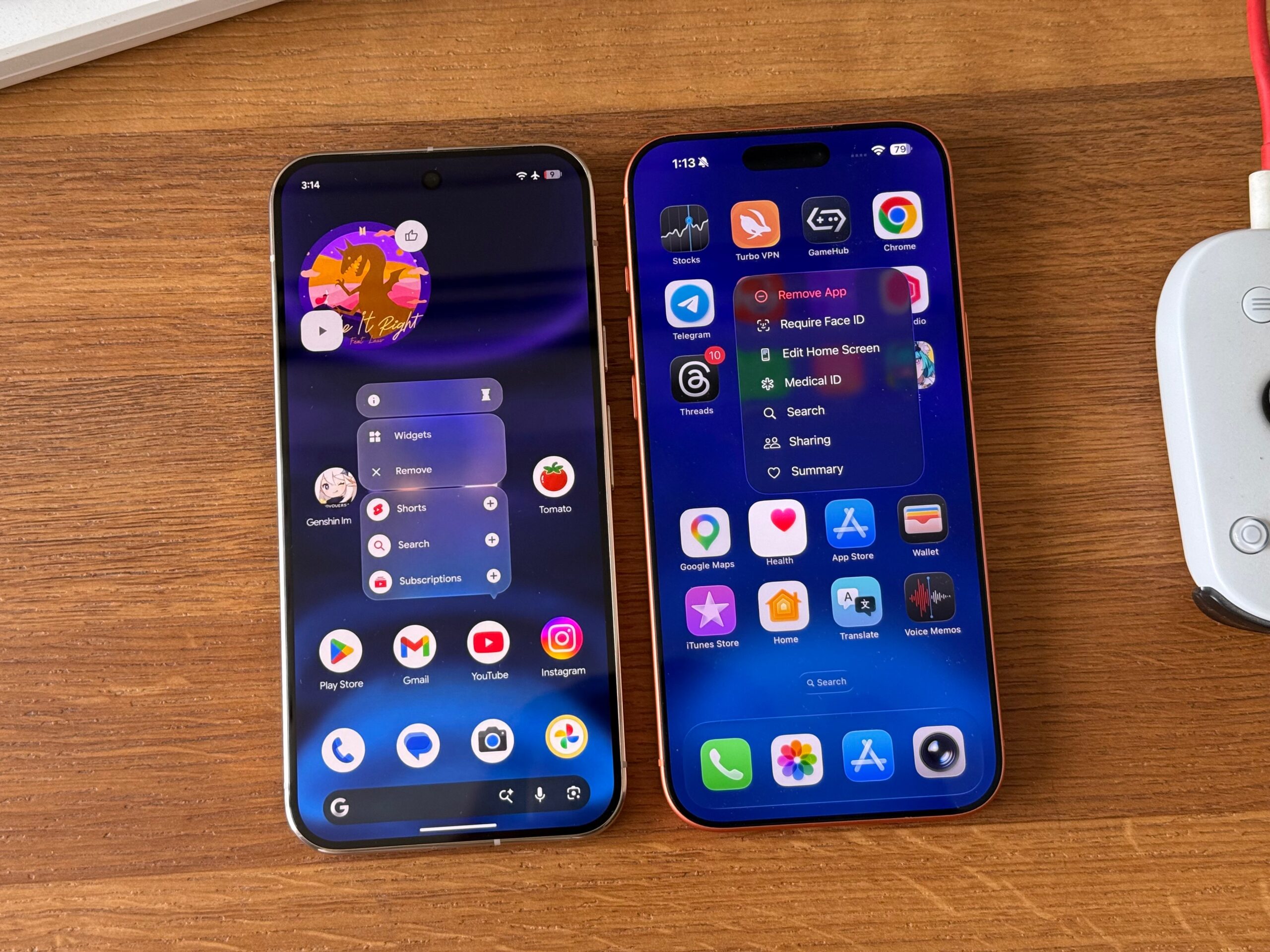
The technological landscape is experiencing a seismic shift, and at its epicenter, Google has just fired a powerful volley. In a strategic move designed to redefine the future of mobile and personal computing, the tech giant has unveiled Android 17, a monumental update that weaves artificial intelligence into the very fabric of its operating system. This isn't merely an incremental upgrade; it's a declaration of intent, a bold statement that Google is ready to lead the charge in the AI-first era, directly challenging rivals, particularly Apple, in the race for intelligent device supremacy. The announcements, which include revolutionary AI tools, substantial creator enhancements, robust security features, and a significant expansion into the laptop market with the Googlebook platform, herald a new chapter for billions of users worldwide.
The Dawn of Hyper-Intelligent Android: AI at Every Layer
Android 17 marks a pivotal moment where AI transitions from a background utility to a central orchestrator of the user experience. Google's vision for this iteration is clear: to make devices more intuitive, proactive, and personalized than ever before. The new AI automation tools are designed to anticipate user needs, streamlining complex tasks and offering predictive assistance across various applications. Imagine your phone automatically adjusting settings based on your location and schedule, or intelligently suggesting responses in messages, not just based on keywords, but on the context and your personal communication style.
This deep integration extends to on-device AI models, which promise faster processing and enhanced privacy, as more data can be processed locally without needing to be sent to the cloud. This is a crucial development, addressing growing concerns about data security and latency. For instance, advanced image recognition and natural language processing will now execute with unprecedented speed directly on your device, powering features like real-time translation during video calls or sophisticated photo editing suggestions. The implications for accessibility and efficiency are profound, potentially democratizing advanced AI capabilities for a wider audience.
Empowering Creators: A New Toolkit for Digital Expression
Beyond automation, Android 17 is poised to revolutionize the creative landscape for mobile users. Google has introduced a suite of creator upgrades that leverage AI to empower artists, content creators, and casual users alike. These tools are not just about making existing features better; they're about unlocking entirely new possibilities for digital expression.
Key features include: * AI-powered image and video editing: Advanced algorithms can now perform complex tasks like object removal, style transfer, and even generating new visual elements based on text prompts, all within the native gallery or camera app. This significantly lowers the barrier to entry for professional-grade content creation. * Generative AI for text and audio: From drafting compelling social media captions to composing original musical snippets, Android 17 offers AI assistants that can help users overcome creative blocks and produce high-quality content with ease. This could transform how individuals interact with their devices, turning every smartphone into a portable creative studio. * Enhanced AR capabilities: Augmented Reality experiences are set to become more immersive and interactive, with AI improving object recognition, spatial mapping, and real-time rendering. This opens doors for innovative educational apps, interactive gaming, and practical tools for design and visualization.
These advancements reflect a growing understanding that smartphones are no longer just communication devices but powerful platforms for creation. By integrating these sophisticated AI tools, Google is not only catering to the current generation of digital natives but also shaping the future of mobile creativity.
Fortifying the Digital Frontier: Unprecedented Security and Privacy
In an age where digital threats are constantly evolving, Android 17 places an unprecedented emphasis on security and privacy. Google has integrated cutting-edge AI to create a more resilient and proactive defense system for user data and device integrity. This includes enhanced threat detection algorithms that can identify and neutralize malware, phishing attempts, and suspicious network activity in real-time, often before they can cause harm.
One of the most significant advancements is the introduction of adaptive privacy controls. These AI-driven features learn user habits and preferences to offer more granular control over data sharing, suggesting optimal privacy settings without overwhelming the user with complex options. For example, the system might intelligently recommend which apps should have access to your location or contacts based on your usage patterns, providing a balance between convenience and security. Furthermore, biometric authentication has been significantly bolstered, utilizing advanced AI for facial recognition and fingerprint scanning that is both faster and more secure, minimizing the risk of spoofing. The commitment to privacy-by-design principles is evident, aiming to build trust in an increasingly interconnected world.
The Googlebook Era: A New Chapter in Laptop Computing
While Android 17 dominates the mobile narrative, Google's venture into the Googlebook platform signals a strategic expansion into the laptop market, directly challenging established players. This isn't just about new hardware; it's about creating a seamless, integrated ecosystem where Android's AI prowess extends to a more powerful computing environment. Googlebook laptops are expected to leverage the same foundational AI models as Android 17, offering a consistent and intelligent experience across devices.
The integration promises: * Cross-device continuity: Effortless handoffs between phone and laptop, shared notifications, and universal clipboard functionality, all enhanced by AI that predicts your next action. * Optimized performance: AI-driven resource management will ensure that Googlebook laptops deliver exceptional battery life and performance, adapting to your workload in real-time. * Enhanced productivity: Features like AI-powered note-taking, smart document organization, and intelligent search capabilities will transform how users interact with their laptops, making them more efficient and intuitive.
This move positions Google to offer a complete, AI-centric computing ecosystem, mirroring Apple's tightly integrated approach but with Google's distinct open-source philosophy and AI-first methodology. The competition in the laptop space is set to intensify, with consumers ultimately benefiting from innovation.
The AI Arms Race: Google's Strategic Gambit Against Apple
Google's comprehensive announcements are unequivocally a strategic pre-emptive strike in the escalating AI arms race against Apple. With rumors swirling about Apple's own significant AI initiatives expected later this year, Google has positioned itself as the early leader, showcasing a mature and deeply integrated AI strategy across its most popular platform. This isn't just about features; it's about setting the narrative and establishing market leadership in the burgeoning field of generative AI and intelligent computing.
The implications are vast. For developers, Android 17 and Googlebook offer new APIs and tools to build next-generation AI-powered applications. For consumers, it promises a future where technology is less about managing devices and more about seamless, intelligent assistance. The competition between these tech titans will undoubtedly accelerate innovation, pushing the boundaries of what's possible with artificial intelligence. As we stand on the cusp of this new era, Google's Android 17 and Googlebook platform are not just products; they are a vision for an intelligently connected world, setting a high bar for the technological innovations yet to come.
Stay Informed
Get the world's most important stories delivered to your inbox.
No spam, unsubscribe anytime.
Comments
No comments yet. Be the first to share your thoughts!