iOS 27: Apple's AI-Powered Evolution Redefines iPhone Camera and Siri Experience
Apple is reportedly preparing a monumental overhaul for iOS 27, focusing on a deeply integrated, AI-driven experience that promises to transform how users interact with their iPhones. The update is expected to introduce a highly customizable Camera app, offering unprecedented control for photographers, alongside a completely redesigned Siri interface with expanded AI capabilities. This strategic move aims to solidify Apple's position in the rapidly evolving AI landscape, enhancing both utility and personalization across its flagship devices.
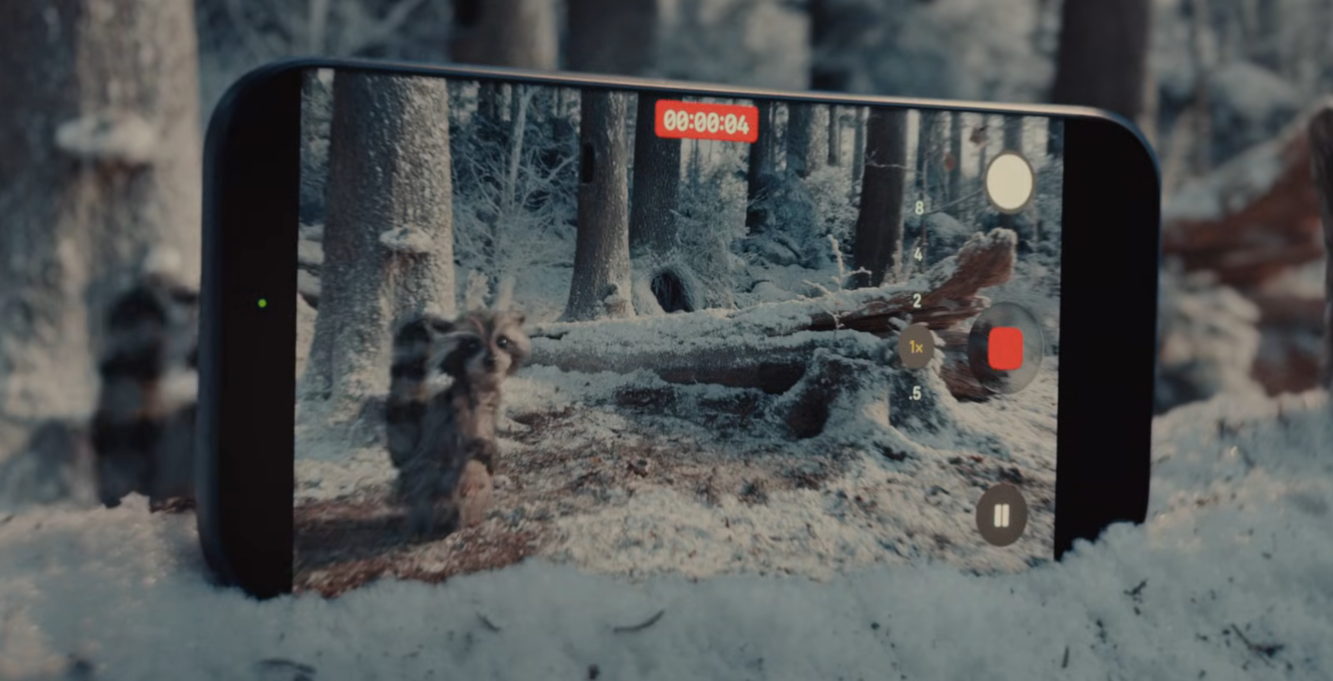
The digital world holds its breath as whispers from Cupertino suggest a seismic shift in the iPhone user experience. Apple, a company synonymous with innovation and meticulous design, is reportedly gearing up to unleash iOS 27 – an update poised to redefine the very essence of smartphone interaction. Far from a mere incremental upgrade, this forthcoming iteration is rumored to bring a comprehensive overhaul to two of the iPhone's most critical features: the Camera app and the ubiquitous virtual assistant, Siri, all powered by a deeper integration of artificial intelligence.
For years, the iPhone camera has been lauded for its 'point and shoot' simplicity, delivering stunning results without requiring extensive technical knowledge. However, as the smartphone photography landscape matures, advanced users have increasingly clamored for greater control. iOS 27 appears to be Apple's emphatic answer, promising a customizable Camera app that could finally bridge the gap between amateur convenience and professional flexibility. Simultaneously, Siri, often criticized for lagging behind competitors in conversational AI, is set for a radical redesign, hinting at a more intuitive, proactive, and genuinely intelligent assistant. This strategic pivot underscores Apple's commitment to embedding cutting-edge AI across its ecosystem, signaling a new era for iPhone users.
The Camera Reimagined: Power in the User's Hands
The iPhone camera has always been a cornerstone of its appeal, evolving from a simple lens to a sophisticated computational photography powerhouse. Yet, its interface has largely remained consistent, prioritizing ease of use over granular control. With iOS 27, sources indicate Apple is ready to empower users with an unprecedented level of customization. Imagine a Camera app where users can rearrange controls, save custom shooting presets, and even access advanced manual settings traditionally reserved for DSLR cameras or third-party professional apps. This could include direct control over ISO, shutter speed, white balance, and even more nuanced aspects of image processing.
This move isn't just about adding features; it's about democratizing professional-grade photography. For instance, a street photographer might configure a preset for quick capture with specific exposure settings, while a portrait photographer could optimize for bokeh and skin tones. The integration of AI will likely play a crucial role here, not just in post-processing but in intelligent scene recognition that adapts the interface and suggests optimal settings in real-time. This represents a significant departure from Apple's traditionally curated, 'walled garden' approach, offering a more open and adaptable photographic experience. The potential for third-party developers to integrate their own filters and tools directly into the native Camera app could also revolutionize the mobile photography ecosystem, fostering an even richer creative environment.
Siri's Renaissance: A Smarter, More Proactive Assistant
Siri, Apple's pioneering voice assistant, has faced stiff competition from Google Assistant and Amazon Alexa, often perceived as less capable in complex conversational tasks and contextual understanding. iOS 27 aims to change this narrative dramatically. The rumored rebuilt Siri system is expected to leverage Apple's advancements in on-device machine learning and large language models (LLMs), moving beyond simple command-and-response interactions to a more natural, predictive, and personalized assistant.
This redesign could manifest in several ways: a more intuitive user interface that provides richer visual feedback, enhanced contextual awareness allowing Siri to understand follow-up questions without needing to repeat information, and proactive suggestions based on user habits, location, and calendar events. For example, Siri might automatically suggest traffic updates before your commute or offer to order your usual coffee when you're near your favorite cafe. The expansion of AI search features means Siri could become a more powerful research tool, capable of synthesizing information from multiple sources and providing concise answers, rather than just web links. This evolution positions Siri not just as a voice command interface, but as a genuine digital companion that anticipates needs and streamlines daily tasks, making the iPhone feel even more indispensable.
The Broader AI Ecosystem: Beyond Camera and Siri
The enhancements to the Camera app and Siri are merely the most visible manifestations of a much larger strategic play: Apple's deep dive into pervasive AI integration across iOS 27. This isn't about a single AI feature; it's about an intelligent layer woven throughout the operating system. We can anticipate expanded AI capabilities in areas like: * Photos: More intelligent organization, advanced editing suggestions, and perhaps even AI-generated content or modifications. * Notes and Reminders: Smart summarization, task prediction, and natural language processing for creating and managing lists. * Privacy and Security: On-device AI processing will be key to maintaining Apple's stringent privacy standards, ensuring that personal data remains secure while still benefiting from advanced intelligence. * Accessibility: AI-powered features could further enhance accessibility for users with disabilities, offering more sophisticated voice control, visual assistance, and cognitive support.
This holistic approach to AI underscores Apple's understanding that the future of personal computing lies in intelligence that adapts to the user, rather than the other way around. The company's long-standing expertise in chip design, particularly with its Neural Engine, provides a robust foundation for delivering these advanced AI capabilities directly on the device, ensuring both speed and privacy.
Historical Context and Future Implications
Apple has a history of introducing features that initially seem subtle but profoundly alter user behavior. Think of the App Store, Face ID, or the seamless integration of iCloud. The rumored iOS 27 update, particularly its focus on AI and customization, echoes these transformative moments. It represents a pivot from a highly curated, somewhat rigid user experience to one that is more fluid, personalized, and intelligently adaptive. This shift is crucial for Apple to maintain its competitive edge against rivals like Google and Samsung, who have been aggressively pushing AI innovations in their own ecosystems.
For users, the implications are profound. A more powerful and customizable Camera app means greater creative freedom and potentially a reduced need for dedicated cameras for many. A smarter Siri means less friction in daily tasks and a more intuitive interaction with technology. For developers, the deeper AI integration could unlock new possibilities for creating applications that are more intelligent, responsive, and seamlessly integrated into the user's digital life. As we look towards the official unveiling, iOS 27 stands poised to be not just another update, but a fundamental redefinition of what an iPhone can be, cementing Apple's vision for an AI-first future where technology truly understands and anticipates our needs.
Stay Informed
Get the world's most important stories delivered to your inbox.
No spam, unsubscribe anytime.
Comments
No comments yet. Be the first to share your thoughts!