Apple's Display Dilemma: Is Samsung Poised for Exclusive iPhone 18 OLED Supply?
A recent report from a Korean publication suggests that Samsung Display could become the sole supplier of OLED panels for Apple's upcoming iPhone 18 series. This potential shift marks a significant development in the long-standing, complex relationship between the tech giants, moving away from Apple's multi-vendor strategy. The implications could reshape the display industry, impact Apple's supply chain diversification efforts, and potentially influence future iPhone innovations and pricing strategies.
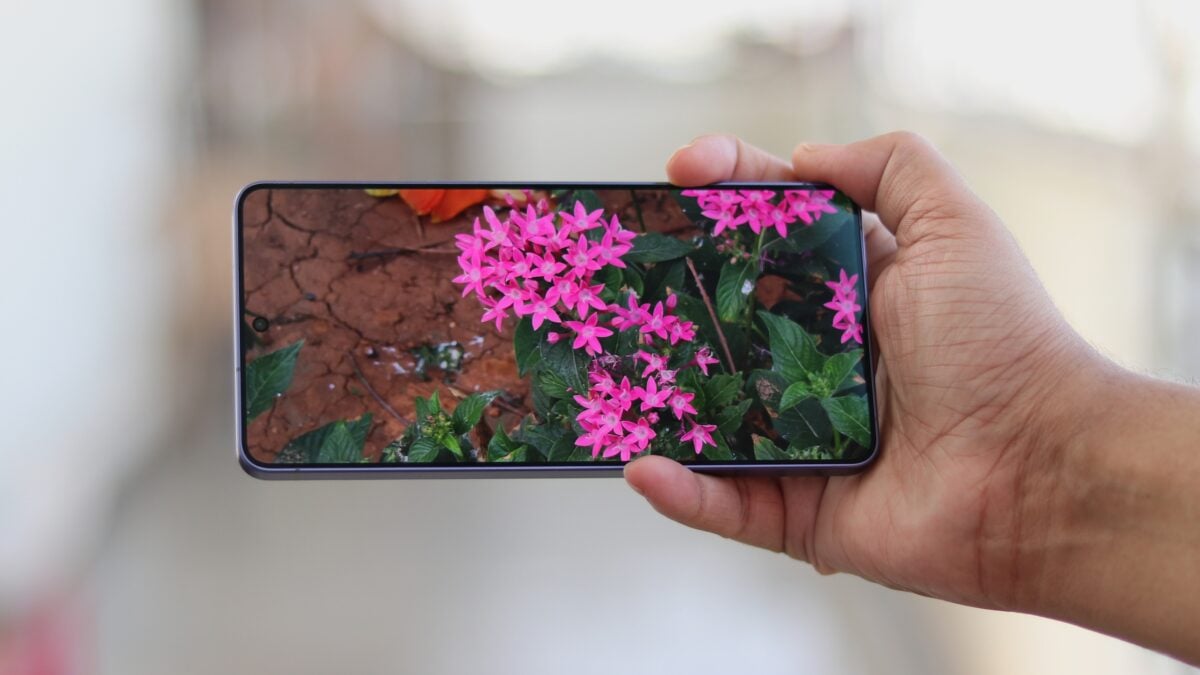
In the fiercely competitive world of consumer electronics, where innovation and supply chain mastery often dictate market dominance, a new report has sent ripples through the industry. According to a prominent Korean publication, Samsung Display is reportedly on the cusp of becoming the exclusive supplier of OLED panels for Apple's highly anticipated iPhone 18 series. This development, if confirmed, signifies a profound shift in Apple's long-held multi-vendor sourcing strategy and underscores the critical, albeit often fraught, interdependence between two of technology's titans.
For years, the relationship between Apple and Samsung has been a delicate dance of rivalry and reliance. While they fiercely compete in the smartphone market, Samsung has been an indispensable partner, supplying crucial components like memory chips and, most notably, OLED displays. The journey began with the groundbreaking iPhone X, Apple's first device to embrace OLED technology, for which Samsung was the primary, if not sole, initial supplier. This history of collaboration, despite patent wars and market battles, highlights Samsung's unparalleled expertise and production capacity in advanced display technology.
The Evolving Landscape of Apple's Display Sourcing
Apple's strategy has traditionally leaned towards diversifying its supply chain to mitigate risks, foster competition among suppliers, and secure better pricing. For OLED displays, while Samsung has always been a dominant player, Apple has actively sought to bring other manufacturers into the fold. Companies like LG Display and, more recently, Chinese giant BOE, have been courted and integrated into Apple's supply network. This diversification was not merely about price negotiation; it was a strategic move to ensure continuity of supply, reduce dependence on a single vendor, and potentially spur innovation through competitive pressure.
However, the path to diversifying OLED suppliers has been fraught with challenges. While LG Display has successfully ramped up its production for certain iPhone models, BOE's journey has been more tumultuous. Reports have frequently surfaced about BOE struggling to meet Apple's stringent quality control standards and production volumes, particularly for the most advanced panels required for flagship models. These difficulties have often led to a greater reliance on Samsung, which consistently demonstrates the ability to deliver high-quality, high-volume OLED panels on Apple's demanding timelines.
The potential shift to a single supplier for the iPhone 18 series suggests that Apple might be consolidating its display needs, at least for this generation, around its most reliable partner. This could be driven by several factors: the complexity of next-generation OLED technology, the need for absolute consistency across a new product line, or perhaps even a strategic decision to simplify logistics for a particularly innovative display feature that only Samsung can currently deliver at scale.
Samsung's Unrivaled OLED Prowess
Samsung Display's position as a leader in OLED technology is not accidental. The company has invested billions over decades in research, development, and manufacturing infrastructure. Its proprietary Dynamic AMOLED and Super AMOLED technologies have consistently set industry benchmarks for color accuracy, brightness, contrast ratios, and power efficiency. For Apple, which prides itself on delivering a premium visual experience, partnering with a company that can consistently meet and exceed these expectations is paramount.
Recent advancements in OLED technology, such as LTPO (Low-Temperature Polycrystalline Oxide) panels, which enable variable refresh rates and are crucial for features like Apple's ProMotion and always-on displays, have seen Samsung at the forefront of their mass production. The ability to produce these sophisticated panels at the scale Apple demands for millions of iPhones is a testament to Samsung's manufacturing superiority. Competitors, while catching up, often struggle with the yield rates and consistency required for Apple's rigorous standards, especially for new, cutting-edge display innovations.
Furthermore, Samsung's vertical integration, from material science to panel fabrication, gives it a significant advantage. This allows for tighter control over the entire production process, leading to better quality control and more efficient cost structures, which can be passed on to partners like Apple, even if indirectly.
Implications for Apple's Strategy and the Industry
If the report holds true, the implications are far-reaching. For Apple, relying solely on Samsung for iPhone 18 OLEDs could streamline its supply chain for that specific component, potentially simplifying logistics and ensuring a consistent user experience across all devices. However, it also introduces a degree of vendor lock-in, which Apple has historically tried to avoid. This could give Samsung increased leverage in future negotiations, potentially impacting component pricing and Apple's profit margins.
From an industry perspective, this move could send a strong signal about the current capabilities of other display manufacturers. It might underscore the challenges faced by LG Display and BOE in consistently meeting Apple's most advanced requirements, especially as display technology continues to evolve rapidly with features like under-display cameras, foldable screens, and even more efficient power consumption.
* Increased Leverage for Samsung: While Apple is a massive customer, being the sole supplier for a flagship product strengthens Samsung's negotiating position. * Supply Chain Risk: Despite Samsung's reliability, a single point of failure (e.g., a natural disaster, production issue) could impact iPhone 18 production significantly. * Innovation Pace: Could exclusive reliance on one supplier slow down Apple's ability to push for custom innovations, or will Samsung be incentivized to innovate even faster for its biggest client? * Competitor Pressure: Other display makers might redouble their efforts to catch up, aiming for future iPhone generations, or pivot to other clients.
The Broader Tech Rivalry and Future Outlook
This potential exclusive deal also plays into the broader narrative of the Apple-Samsung rivalry. While they are fierce competitors in the smartphone market, their symbiotic relationship at the component level is a fascinating paradox. Samsung's component division often benefits immensely from Apple's success, even as its own mobile division battles Apple for market share. This intricate dance highlights the complex interdependencies that define the modern tech ecosystem.
Looking ahead, it's unlikely that Apple will abandon its long-term goal of supply chain diversification. This potential exclusive arrangement for the iPhone 18 might be a temporary measure, a strategic consolidation for a specific product cycle, rather than a permanent shift. Apple is known for its multi-year planning, and investments in other display technologies, such as microLED, are ongoing, signaling a desire for ultimate independence in display sourcing down the line.
The iPhone 18 series is still a distant prospect, and much can change between now and its eventual launch. However, the prospect of Samsung becoming the sole OLED supplier is a powerful indicator of the current state of the display industry, Samsung's enduring technological leadership, and the pragmatic decisions Apple makes to ensure its flagship products continue to set industry standards. The tech world will be watching closely to see how this dynamic unfolds and what it means for the future of smartphone displays and the intricate web of alliances and rivalries that define Silicon Valley and beyond.
Stay Informed
Get the world's most important stories delivered to your inbox.
No spam, unsubscribe anytime.
Comments
No comments yet. Be the first to share your thoughts!