Nintendo Switch: Why the 'OG' Handheld Dominates the Gaming Landscape in 2026
Despite a surge of powerful new handheld consoles, the original Nintendo Switch continues to hold its ground as the top choice for gamers in 2026. This article explores the enduring appeal of the Switch, from its unparalleled game library and hybrid design to its accessible price point and family-friendly ecosystem. Discover why this console, launched almost a decade ago, remains a formidable competitor in a rapidly evolving market.
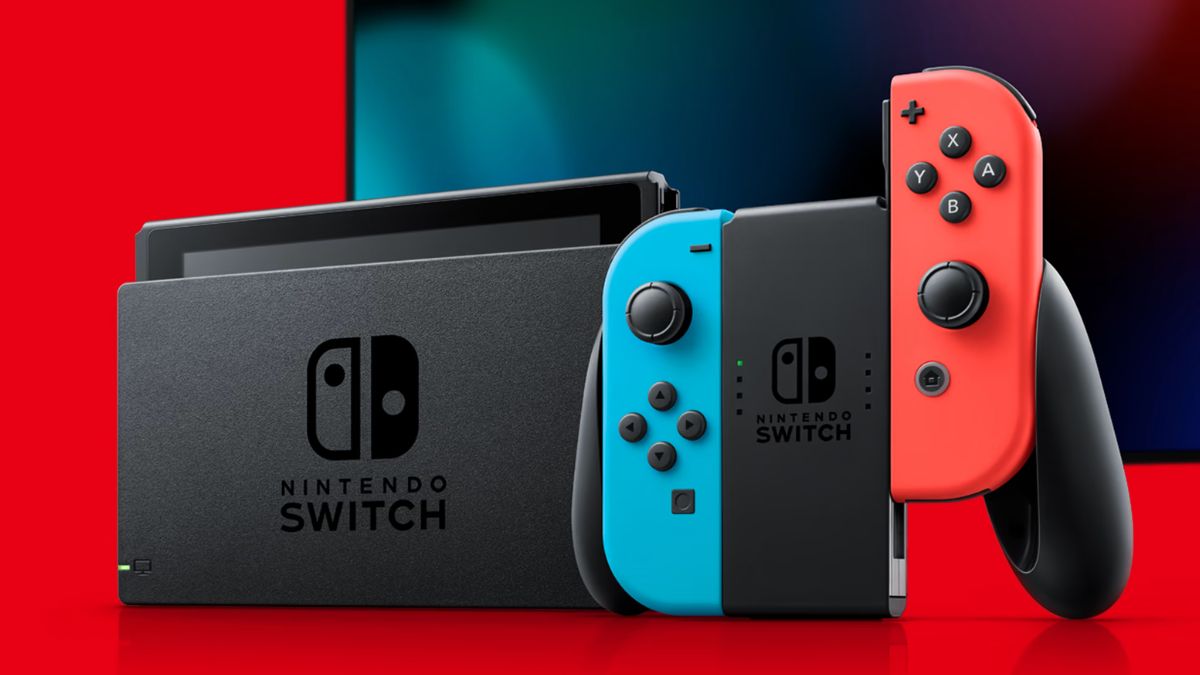
The gaming world is in a state of perpetual motion, a relentless march of innovation where yesterday's marvels quickly become today's relics. Yet, amidst this whirlwind of progress, one console defies the odds, not just surviving but thriving: the original Nintendo Switch. In 2026, nearly a decade after its initial launch, the 'OG' Switch isn't merely a nostalgic footnote; it remains, for many, the undisputed champion of handheld gaming, a testament to Nintendo's visionary design and unwavering commitment to fun.
Handheld gaming, once a niche dominated by Nintendo's own Game Boy and DS lines, has exploded back into the mainstream with unprecedented vigor. We're no longer in the era of cumbersome, underpowered devices; the market is now flooded with high-spec contenders from giants like Valve, ASUS, and Lenovo, boasting desktop-class performance in portable form factors. The Steam Deck, ROG Ally, and Legion Go have carved out significant niches, catering to a demographic hungry for PC gaming on the go. So, how does a console with comparatively modest specs, released in 2017, continue to outshine or at least stand shoulder-to-shoulder with these technological behemoths?
The Unrivaled Game Library: A Decade of Excellence
The most compelling argument for the Nintendo Switch's enduring dominance lies squarely in its exclusive game library. While competitors focus on enabling access to vast PC game catalogs, Nintendo has cultivated a garden of unparalleled first-party titles that simply cannot be played anywhere else. Franchises like The Legend of Zelda, Super Mario, Pokémon, Animal Crossing, and Metroid are not just games; they are cultural phenomena, meticulously crafted experiences that define generations of gamers. The Legend of Zelda: Tears of the Kingdom, for instance, sold over 10 million units in its first three days, a staggering achievement that underscores the immense loyalty and anticipation surrounding Nintendo's IPs.
Beyond these tentpole releases, the Switch boasts an incredibly diverse and deep catalog of third-party and indie titles, many of which find a natural home on the hybrid console. The ability to seamlessly switch between TV mode and handheld mode makes games like Hades, Stardew Valley, or even Doom Eternal incredibly versatile and appealing. This curated ecosystem, where quality often trumps raw graphical power, creates a unique value proposition that no other handheld can replicate. Developers continue to flock to the platform, recognizing its massive install base and the unique opportunities its hybrid nature presents.
Hybrid Design and Unmatched Portability
The Switch's innovative hybrid design was its defining feature at launch, and it remains a core pillar of its appeal. The ability to transition effortlessly from a home console experience on a TV to a portable handheld device is not just a gimmick; it's a fundamental shift in how people consume games. This versatility caters to a wide array of lifestyles: a parent can play on the TV while the kids are at school, then seamlessly pick up the game in handheld mode on their commute. Friends can gather for local multiplayer sessions with detachable Joy-Cons, a social aspect largely absent from PC-centric handhelds.
Furthermore, the Switch's form factor strikes a near-perfect balance between screen size, weight, and ergonomic comfort. While some newer handhelds offer larger screens or more powerful components, they often come with increased bulk and reduced battery life, making them less ideal for true on-the-go gaming. The Switch, particularly the original model, remains remarkably portable and user-friendly, fitting comfortably into bags and hands alike, making it the ultimate travel companion for gamers.
Accessibility, Price Point, and Family Appeal
In an era where cutting-edge technology often comes with a premium price tag, the original Nintendo Switch offers remarkable accessibility. Its price point, which has naturally decreased over time and often sees attractive bundles, makes it a far more attainable entry point into gaming compared to its more expensive, PC-grade competitors. This affordability is crucial, especially for families or casual gamers who might not justify the cost of a high-end gaming PC or a more specialized handheld.
Nintendo has always excelled at creating experiences that appeal to a broad demographic, from young children to seasoned adults. The Switch's family-friendly ethos is ingrained in its design, its game library, and its marketing. Local multiplayer, intuitive controls, and a strong emphasis on fun over hyper-realism make it a central entertainment hub for households. This broad appeal translates into a massive and loyal user base, ensuring a healthy ecosystem for years to come. The perceived simplicity of the Switch, compared to the more technical demands of PC handhelds, also lowers the barrier to entry for many.
The Future of Handheld Gaming and the Switch's Legacy
Looking ahead to 2026 and beyond, the handheld gaming market is only going to become more competitive. We can expect even more powerful devices, potentially with cloud streaming integration and advanced display technologies. However, the Nintendo Switch has already cemented its legacy not just as a successful console, but as a paradigm shift in how we think about gaming hardware. Its success has undoubtedly inspired the current wave of competitors, proving that there is a massive appetite for portable gaming experiences.
While rumors of a successor to the Switch persist, the original model continues to offer a compelling package. Its established ecosystem, vast game library, and unique hybrid functionality provide a distinct identity that newer, more powerful devices struggle to replicate. The Switch isn't just about raw power; it's about the joy of play, the convenience of portability, and the shared experiences it fosters. For these reasons, in a world saturated with choice, the original Nintendo Switch remains a surprisingly relevant and undeniably excellent choice for gamers in 2026, proving that sometimes, the best innovation isn't about pushing boundaries, but about redefining the experience itself. It's a console that understood its audience and delivered on its promise, time and time again.
Stay Informed
Get the world's most important stories delivered to your inbox.
No spam, unsubscribe anytime.
Comments
No comments yet. Be the first to share your thoughts!