Artemis II Ignites 'Space Race' for Toys: How Lunar Missions Fuel Childhood Dreams and Economic Boost
The successful return of the Artemis II mission has sparked an unprecedented surge in sales of space-themed toys across Britain, with retailers like Argos reporting significant demand. This phenomenon highlights the profound impact of real-world space exploration on inspiring a new generation and boosting consumer markets. Beyond mere novelty, the trend reflects a deeper societal fascination with the cosmos, translating into tangible economic benefits and renewed interest in STEM fields. The mission's success is not just a scientific triumph but also a cultural and commercial one, proving that the allure of space remains as potent as ever.
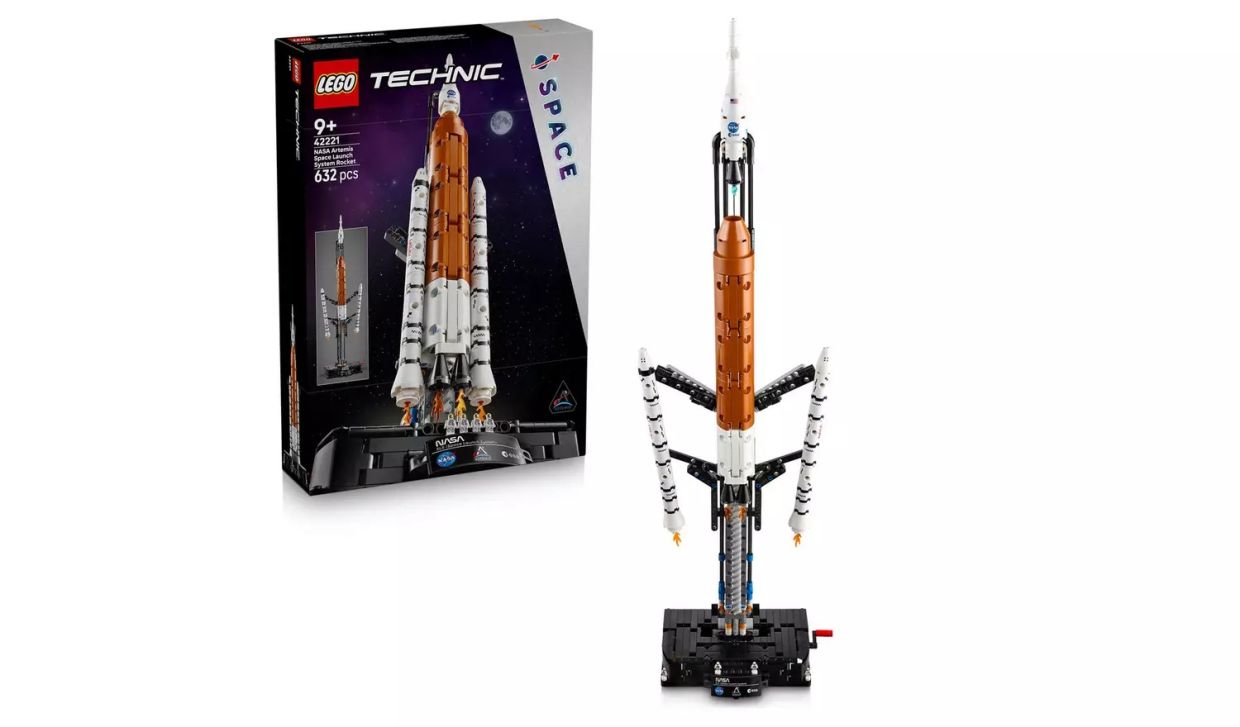
The cosmos has always held an irresistible allure, a boundless frontier that ignites imagination and fuels dreams of discovery. Yet, few events translate this abstract fascination into such tangible, immediate impact as a successful space mission. The recent, triumphant return of the Artemis II lunar mission has done precisely that, sparking an unexpected but significant economic phenomenon: a soaring demand for space-related toys across Britain.
Retailers, from major chains like Argos to independent toy stores, are reporting a dramatic spike in sales of everything from Lego space sets and rocket models to astronaut action figures and planetary globes. This isn't just a fleeting trend; it's a clear indicator of how real-world advancements in space exploration can profoundly influence consumer behavior, inspire a new generation, and inject vitality into various market sectors. The mission's success has not only pushed the boundaries of human endeavor but also, quite literally, pushed toy rockets off the shelves.
The Artemis Effect: From Orbit to Playroom
The Artemis II mission, marking humanity's first crewed journey around the Moon in over half a century, was a monumental achievement. Its carefully choreographed stages, from the thunderous launch to the nail-biting re-entry, captivated audiences worldwide. For children, in particular, witnessing astronauts embark on such an audacious voyage transforms abstract scientific concepts into thrilling, relatable adventures. This direct connection between a real-life space event and a child's imaginative play is the core of the 'Artemis Effect' on the toy market.
Argos, a prominent UK retailer, confirmed this surge, noting a significant uptick in demand for space-themed products. "We've seen an incredible response to our space toy range," an Argos spokesperson stated, "especially after the Artemis II mission. Children are clearly inspired by the astronauts and the idea of exploring the Moon, and they want to recreate those adventures at home." This sentiment is echoed by smaller, independent toy shops, which have also observed a renewed interest in educational and imaginative play centered around space.
Historically, major space events have often correlated with increased interest in related merchandise. The Apollo missions of the 1960s and 70s, for instance, spurred a similar boom in space-themed toys, books, and even fashion. What makes the Artemis II phenomenon particularly noteworthy is its occurrence in an era dominated by digital entertainment. It demonstrates that the tangible, imaginative play offered by physical toys still holds immense power, especially when fueled by such compelling real-world narratives.
Beyond the Toy Box: Inspiring STEM and Future Generations
The impact of the Artemis II mission and the subsequent toy sales surge extends far beyond mere commercial success. It represents a powerful catalyst for STEM (Science, Technology, Engineering, and Mathematics) education. When children play with space-themed toys, they are not just having fun; they are engaging in critical thinking, problem-solving, and imaginative role-playing that can lay the groundwork for future scientific curiosity.
* Engineering Principles: Building Lego rockets or intricate space stations introduces basic engineering concepts like structure, stability, and design. Children learn about weight distribution, propulsion, and the mechanics of flight in an intuitive, hands-on manner. * Scientific Inquiry: Playing with telescopes, star charts, or planet models can spark questions about astronomy, physics, and the vastness of the universe. It encourages a desire to understand how things work and what lies beyond our planet. * Technological Literacy: Even simple space toys often incorporate elements of technology, from remote controls to interactive features, familiarizing children with technological interfaces. * Mathematical Concepts: Counting, measuring, and understanding distances (even simulated ones) are all part of space-themed play, subtly reinforcing mathematical skills.
Educators and child development experts often emphasize the importance of play in learning. Dr. Anya Sharma, a child psychologist specializing in play-based learning, notes, "When a child reenacts a space mission with their toys, they are not just imitating; they are processing complex ideas, developing narrative skills, and internalizing the concepts of exploration and ambition. The Artemis mission has given them a rich, current narrative to draw upon, making these concepts incredibly vivid and exciting."
The Commercial Cosmos: A Growing Market
The space economy is no longer just about government agencies and large aerospace corporations. It's a rapidly expanding sector that encompasses everything from satellite services and space tourism to, evidently, consumer goods. The toy market, while seemingly a niche, is a significant indicator of broader public engagement and commercial viability.
According to market analysis reports, the global space-themed toy market was already experiencing steady growth before Artemis II, driven by popular culture phenomena like science fiction movies and animated series. However, a real-world event of this magnitude provides an unparalleled boost, grounding the fantasy in reality and making it more aspirational. This translates into increased investment in product development, marketing campaigns, and ultimately, higher sales volumes for manufacturers and retailers.
Moreover, the trend isn't limited to toys. We're seeing a halo effect across other categories: children's books about space, educational kits, themed apparel, and even interactive digital experiences. This interconnectedness underscores the vast commercial potential that genuine space exploration unlocks, creating a virtuous cycle where public interest fuels economic activity, which in turn can potentially support future missions through broader societal buy-in and investment.
Looking to the Stars: A Future Inspired by Exploration
The Artemis program represents a new era of lunar exploration, with ambitious plans for a sustained human presence on the Moon and, eventually, missions to Mars. Each successful step in this journey is not just a scientific milestone but a cultural moment that reverberates across society, touching everything from technological innovation to childhood play.
The surge in space toy sales following Artemis II is more than just a retail anecdote; it's a powerful testament to the enduring human spirit of exploration and the profound impact that real-world achievements have on inspiring future generations. As humanity continues its journey back to the Moon and beyond, these missions will undoubtedly continue to fuel the imaginations of millions, encouraging them to look up, dream big, and perhaps one day, reach for the stars themselves. The current generation of children, playing with their toy rockets and astronaut figures, might just be the engineers, scientists, and explorers of tomorrow, shaped by the very missions that captivated their youthful minds today. The 'space race' for toys is, in essence, a race for the future of human ingenuity and exploration.
Stay Informed
Get the world's most important stories delivered to your inbox.
No spam, unsubscribe anytime.
Comments
No comments yet. Be the first to share your thoughts!