ASEAN Urges Coordinated Action Amidst Geopolitical Shocks to Global Energy Security
ASEAN energy ministers have issued a joint call for urgent, coordinated regional action to counter the escalating impact of Middle East geopolitical developments on global energy markets. The virtual meeting addressed critical issues like oil and gas supply stability, price volatility, and supply chain disruptions, emphasizing the need for collective strategies to safeguard regional energy security. This move highlights ASEAN's proactive stance in navigating complex global energy challenges and securing its economic future.
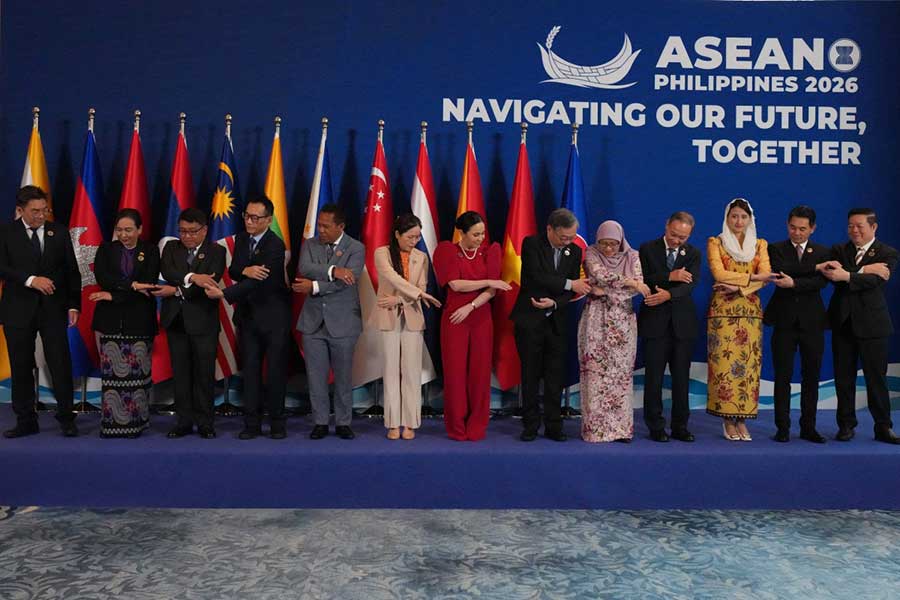
The global energy landscape, perpetually in flux, has once again been rattled by the escalating geopolitical tensions in the Middle East. In response, the Association of Southeast Asian Nations (ASEAN) has sounded a clear alarm, with its energy ministers issuing a joint statement calling for urgent and coordinated regional action. This critical declaration, emerging from a virtual Special ASEAN Ministers on Energy Meeting held last Monday, underscores the profound implications for regional energy security, encompassing everything from oil and gas supply stability and price volatility to pervasive supply chain disruptions. As a bloc representing over 660 million people and a rapidly growing economy, ASEAN's proactive stance is not merely a regional concern but a significant development on the global energy stage.
The Geopolitical Crucible: Middle East Tensions and Global Energy
The Middle East, a region synonymous with a substantial portion of the world's hydrocarbon reserves, has historically been a fulcrum of global energy supply. Any instability there inevitably sends ripples across international markets. Recent geopolitical developments, though not explicitly detailed in the source, allude to ongoing conflicts and tensions that threaten key shipping lanes, production facilities, and the overall predictability of supply. The Strait of Hormuz, for instance, remains a critical chokepoint through which a significant percentage of the world's seaborne oil passes. Disruptions here, whether actual or perceived, can trigger immediate spikes in oil prices and create a climate of uncertainty that deters investment and destabilizes economies.
For ASEAN, a region heavily reliant on imported fossil fuels to power its burgeoning industries and urban centers, these developments are particularly alarming. According to the International Energy Agency (IEA), Southeast Asia's energy demand has grown by over 80% since 2000, with fossil fuels still meeting the bulk of this demand. While there's a concerted push towards renewables, the transition is gradual, leaving the region vulnerable to external shocks. The ministers' call for coordinated action is a recognition of this inherent vulnerability and a strategic move to mitigate potential economic fallout. This isn't the first time ASEAN has faced such challenges; historical oil crises have often spurred similar calls for regional solidarity and self-reliance.
ASEAN's Energy Imperative: Stability, Affordability, Sustainability
The joint statement from the ASEAN energy ministers articulates a three-pronged imperative: ensuring energy supply stability, maintaining price affordability, and accelerating the transition towards sustainable energy sources. Stability is paramount for uninterrupted economic activity. Factories need power, transportation networks require fuel, and households depend on consistent energy access. Price volatility, on the other hand, can erode purchasing power, inflate production costs, and trigger inflation, disproportionately affecting developing economies within the bloc.
Moreover, the discussions likely delved into the intricacies of supply chain resilience. The COVID-19 pandemic exposed the fragility of global supply chains, and the energy sector was no exception. From spare parts for power plants to specialized equipment for oil and gas exploration, disruptions can have cascading effects. The ministers' emphasis on this aspect suggests a focus on diversifying sourcing, strengthening regional manufacturing capabilities, and perhaps even building strategic reserves to buffer against future shocks. Data from the ASEAN Centre for Energy (ACE) consistently highlights the region's increasing reliance on imported energy, making these discussions all the more critical.
Strategies for a Resilient Future: Diversification and Regional Integration
To achieve their stated goals, ASEAN is likely to pursue a multi-faceted approach. One key strategy will be diversification of energy sources. While fossil fuels remain dominant, accelerating investments in renewable energy – solar, wind, hydropower, and geothermal – can reduce reliance on volatile international markets. Countries like Vietnam and the Philippines have already made significant strides in solar and wind power, respectively, offering models for regional collaboration and knowledge sharing.
Another crucial element is regional energy integration. This could involve strengthening cross-border electricity grids, facilitating intra-ASEAN energy trade, and developing shared energy infrastructure projects. The ASEAN Power Grid (APG) initiative, though progressing slowly, aims to connect national grids across the region, enhancing energy security through mutual support and optimized resource utilization. Furthermore, the establishment of strategic petroleum reserves and coordinated responses to market disruptions, such as joint procurement or sharing of resources during crises, would bolster the region's collective resilience.
Expert analysis suggests that while individual nations might struggle to insulate themselves from global energy shocks, a unified ASEAN approach can significantly amplify their bargaining power and collective security. Dr. P.K. Basu, an energy economist, noted in a recent webinar that “ASEAN's strength lies in its collective voice and its ability to leverage regional cooperation mechanisms to navigate global turbulences. This joint statement is a testament to that understanding.”
The Path Forward: Challenges and Opportunities
The path to enhanced energy security for ASEAN is not without its challenges. Significant investment is required for infrastructure upgrades, renewable energy projects, and the development of new technologies. Policy harmonization across diverse member states can also be complex. However, the current geopolitical climate also presents opportunities. The urgency of the situation can galvanize political will and accelerate decision-making.
Furthermore, the focus on sustainable energy aligns with global climate goals, potentially unlocking international financing and technological partnerships. By framing energy security within the broader context of climate action, ASEAN can attract green investments and position itself as a leader in the global energy transition. The year 2026, when this statement was issued, marks a critical juncture for many nations to reassess their energy strategies in light of both geopolitical realities and climate imperatives.
In conclusion, ASEAN's call for coordinated action is a timely and necessary response to a volatile global energy market. It reflects a mature understanding of the interconnectedness of energy, economics, and geopolitics. By prioritizing stability, affordability, and sustainability through diversification, regional integration, and strategic planning, ASEAN aims to not only safeguard its own energy future but also contribute to a more stable and resilient global energy order. The success of these initiatives will depend on sustained political commitment and robust implementation, but the foundation for a more secure energy future for Southeast Asia has been firmly laid.
Stay Informed
Get the world's most important stories delivered to your inbox.
No spam, unsubscribe anytime.
Comments
No comments yet. Be the first to share your thoughts!