Asia's Breathless Battle: Why Cleaner Fuel is the Immediate Key to Better Air Quality
Asian cities are grappling with persistent air pollution, despite some improvements. While long-term solutions like electrification are crucial, experts at the BAQ Conference 2026 highlighted an urgent need for immediate action on fuel quality. This article explores the tension between aspirational goals and practical, near-term interventions, emphasizing how cleaner fuels can rapidly transform urban airscapes and public health across the continent.
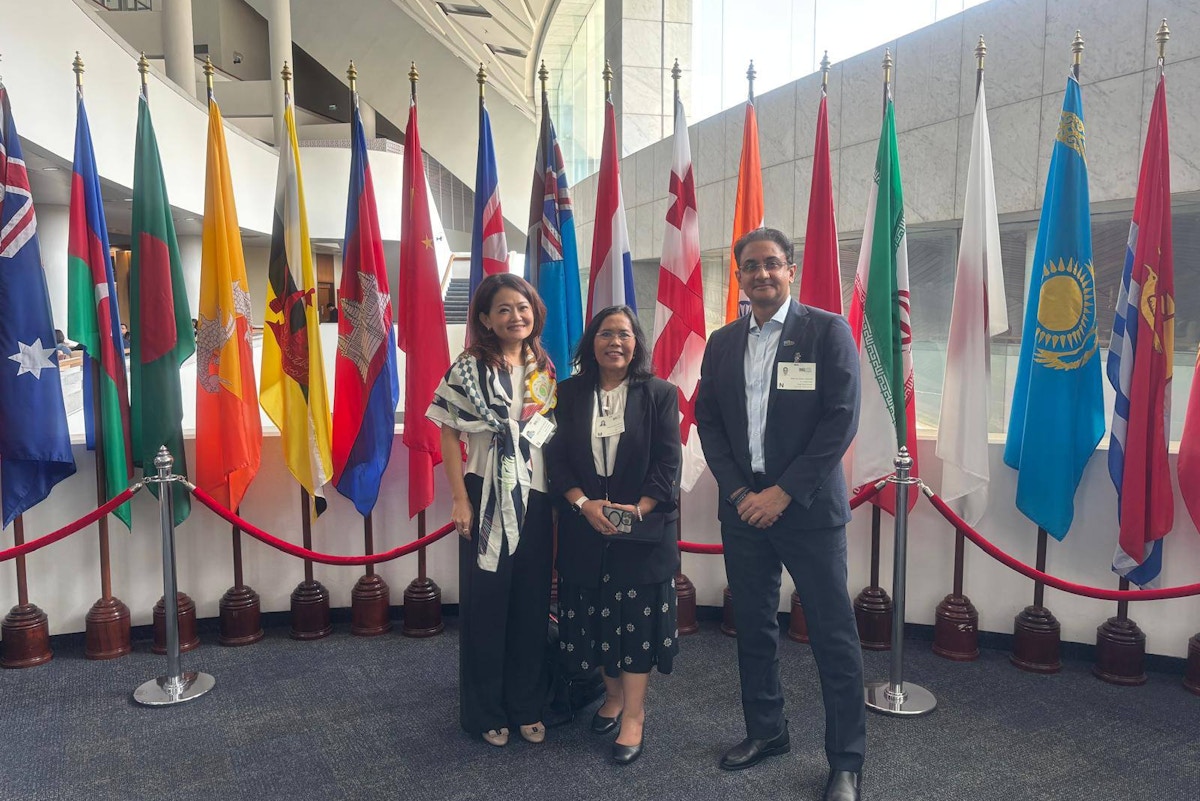
The air in many of Asia's bustling metropolises often hangs heavy, a visible testament to the region's rapid industrialization and urbanization. While strides have been made in combating air pollution, the pace of improvement remains stubbornly slow and uneven, failing to meet the urgent demands of public health and environmental sustainability. This stark reality formed the backdrop for the Better Air Quality (BAQ) Conference 2026 in Bangkok, where a palpable tension emerged between ambitious, long-term visions and the pressing need for immediate, tangible solutions.
For years, the narrative around air quality improvement has rightfully focused on transformative pathways: the electrification of transport, the widespread adoption of renewable energy, and radical shifts in industrial processes. These are the cornerstones of a sustainable future, offering a promise of truly clean air. However, as delegates converged in Bangkok, a different, more immediate consensus began to crystallize: cleaner air now starts with fuel. This isn't to diminish the importance of long-term strategies, but rather to acknowledge the critical role that fuel quality plays as a powerful, near-term lever for change.
The Urgent Imperative: Bridging the Gap Between Aspiration and Reality
Asia is home to some of the world's most polluted cities, with millions suffering from respiratory illnesses, cardiovascular diseases, and other health issues directly linked to poor air quality. The economic costs are staggering, encompassing healthcare expenditures, lost productivity, and diminished quality of life. Despite significant investments and policy efforts, the region's air quality improvements have been incremental, often overshadowed by burgeoning populations and relentless economic growth. The BAQ Conference underscored that while electrification and renewable energy are vital, their full impact will take decades to materialize. In the interim, millions continue to breathe toxic air.
This urgency has led to a renewed focus on what can be achieved today. The discussion in Bangkok wasn't about choosing between long-term and short-term solutions, but rather about strategically integrating them. Experts emphasized that improving fuel quality – specifically reducing sulfur content and other harmful components in gasoline and diesel – offers a relatively quick and cost-effective pathway to significant reductions in particulate matter (PM2.5) and nitrogen oxides (NOx), two of the most dangerous air pollutants. "We cannot wait for every vehicle to be electric," stated Dr. Anya Sharma, an environmental health specialist attending the conference. "We must clean up the fuel that powers the vast majority of our existing fleet, right now."
The Technical Case for Cleaner Fuels
The science behind cleaner fuels is unequivocal. High-sulfur fuels, for instance, not only produce sulfur dioxide (SO2) directly when combusted but also impede the effectiveness of advanced emission control technologies in vehicles. Catalytic converters, designed to neutralize harmful pollutants, become less efficient or even damaged by high sulfur levels. By contrast, ultra-low sulfur diesel (ULSD) and low-sulfur gasoline allow these technologies to operate at peak performance, drastically cutting emissions of PM2.5, NOx, and volatile organic compounds (VOCs).
Consider the historical precedent: regions like Europe and North America saw dramatic improvements in urban air quality following the widespread adoption of cleaner fuel standards in the 1990s and early 2000s. These changes, coupled with stricter vehicle emission standards (e.g., Euro 4, 5, 6), led to a significant reduction in smog and acid rain. Asia, with its diverse regulatory landscape and varying levels of fuel quality, has a similar opportunity. While some nations, like Japan and South Korea, have already adopted stringent fuel standards, many others lag, still permitting fuels with sulfur levels far exceeding international best practices. The conference highlighted that even a modest improvement in fuel quality across the region could yield substantial public health benefits within a few years.
Overcoming Barriers: Policy, Economics, and Infrastructure
Implementing cleaner fuel standards is not without its challenges. The transition requires significant investment from refineries to upgrade their processes, which can be costly. There's also the political will needed to enforce stricter regulations and potentially absorb initial price increases, though these are often offset by long-term health and environmental savings. Delegates at the BAQ Conference identified several key barriers and proposed solutions:
* Refinery Upgrades: Many older refineries in the region lack the technology to produce ultra-low sulfur fuels. Governments can incentivize these upgrades through tax breaks, subsidies, or partnerships with international technology providers. Regional cooperation, as seen in some ASEAN initiatives, can also help share best practices and resources. * Cost Implications: While cleaner fuels might initially be slightly more expensive to produce, the long-term economic benefits from reduced healthcare costs and increased productivity far outweigh these upfront investments. Public awareness campaigns can help garner support for such policies. * Enforcement and Monitoring: Robust regulatory frameworks and effective enforcement mechanisms are crucial to ensure compliance. This includes regular testing of fuel quality at various points in the supply chain. * Harmonization of Standards: A patchwork of varying fuel standards across different countries creates complexities for manufacturers and can hinder regional progress. Advocating for harmonized, stringent fuel quality standards across Asia would streamline efforts and maximize impact.
A Path Forward: Synergistic Approaches
Ultimately, the message from Bangkok was one of integrated action. Cleaner fuels are not a standalone solution but a vital component of a broader strategy. They act as a powerful bridge, delivering immediate air quality improvements while the longer-term, structural changes take root. This synergistic approach involves:
* Accelerating Fuel Quality Improvements: Prioritizing the adoption of Euro 5/6 equivalent fuel standards (e.g., 10 ppm sulfur content) across all Asian nations within the next five years. * Investing in Public Transport and Non-Motorized Options: Reducing reliance on private vehicles, regardless of fuel type, remains critical. * Promoting Electric Vehicles (EVs): Continuing to incentivize EV adoption and build out charging infrastructure. * Strengthening Industrial Emission Controls: Addressing emissions from power plants and factories remains paramount. * Enhancing Regional Cooperation: Sharing data, best practices, and technological solutions across borders.
As Asia continues its journey towards sustainable development, the air its citizens breathe must be a central concern. The BAQ Conference 2026 served as a crucial reminder that while grand visions inspire, practical, immediate steps like improving fuel quality are essential to deliver cleaner air now. The health of millions depends on this dual approach, ensuring that the continent's progress is not just economic, but also profoundly human, allowing its vibrant cities to truly breathe freely.
Stay Informed
Get the world's most important stories delivered to your inbox.
No spam, unsubscribe anytime.
Comments
No comments yet. Be the first to share your thoughts!