Beijing's Border Crossings Surge: A Look at China's Reopening and Global Connectivity in 2026
Beijing has witnessed a significant uptick in cross-border travel, with over 7 million border crossings recorded by Sunday morning in 2026, marking a 13% year-on-year increase. This surge is largely driven by a substantial 34% rise in foreign national entries and exits, signaling a robust recovery in international exchange. Experts are analyzing the implications of this renewed connectivity for global trade, tourism, and diplomatic relations, especially in the context of China's evolving economic strategies.
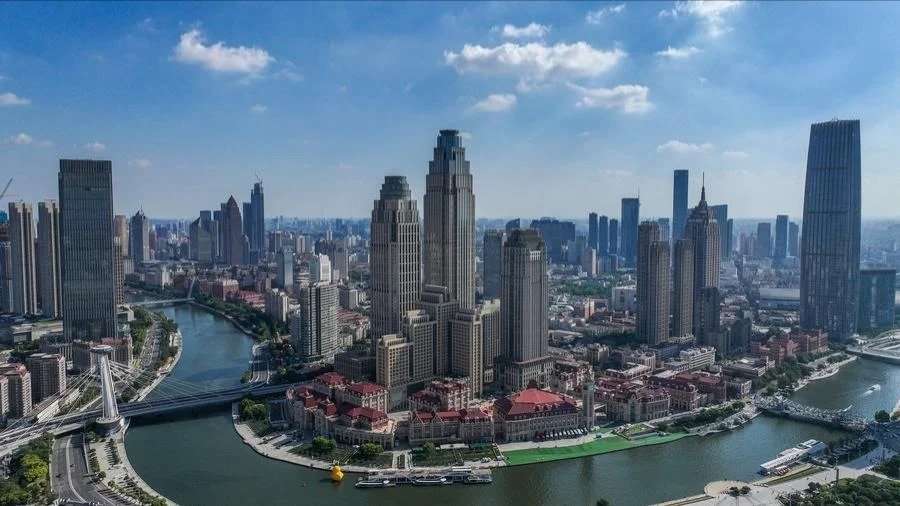
Beijing, the bustling capital of the world's second-largest economy, is once again a vibrant hub of international movement. Official data released by Xinhua reveals a remarkable surge in cross-border travel, with the city recording an astonishing 7 million border crossings as of Sunday morning in 2026. This figure represents a robust 13 percent year-on-year increase, painting a clear picture of renewed global connectivity and an invigorated post-pandemic landscape.
The numbers are particularly striking when examining the influx of international visitors. The Beijing General Station of Exit and Entry Frontier Inspection reported that exits and entries by foreign nationals at Beijing ports have surpassed 2.28 million during the same period, an impressive 34 percent jump compared to 2025. This significant rise underscores China's successful efforts in reopening its borders and re-establishing its position as a pivotal player in global tourism, business, and cultural exchange. The implications of this surge extend far beyond mere statistics, touching upon economic recovery, diplomatic engagement, and the evolving dynamics of international relations.
The Engine Behind the Surge: Policy Shifts and Economic Rebound
The dramatic increase in Beijing's border crossings is not an isolated phenomenon but rather a direct consequence of strategic policy adjustments and a broader economic rebound. Following years of stringent travel restrictions, China began a phased reopening, gradually easing visa requirements and streamlining entry procedures. These measures, coupled with a renewed focus on attracting foreign investment and tourism, have evidently paid dividends.
Economists point to several factors contributing to this trend: * Relaxed Visa Policies: Targeted visa waivers and simplified application processes for business travelers and tourists from key countries have made China more accessible. * Economic Incentives: Beijing's push for foreign direct investment (FDI) has brought a wave of international business delegations and executives. * Resurgent Tourism: Global tourism, severely hampered by the pandemic, is experiencing a strong recovery, with China emerging as an attractive destination for cultural and historical exploration. * Increased Air Connectivity: Airlines have significantly ramped up flight schedules to and from Beijing, increasing capacity and reducing travel costs.
This robust recovery in international travel is a critical indicator of China's economic health and its commitment to re-engaging with the global community. The influx of foreign nationals not only boosts the tourism sector but also facilitates crucial business negotiations, academic exchanges, and cultural dialogues, all of which are vital for sustained economic growth and international cooperation.
Historical Context: From Isolation to Integration
To fully appreciate the current surge, it's essential to consider Beijing's historical trajectory of international engagement. For decades, China maintained a relatively insular approach, with strict controls over border movements. The economic reforms initiated in the late 1970s marked a turning point, gradually opening the country to foreign trade and investment. However, it was the 2008 Beijing Olympics that truly put the city on the global map, showcasing its modern infrastructure and cultural richness to an unprecedented international audience.
The period leading up to the pandemic saw a steady increase in inbound and outbound travel, transforming Beijing into a major international aviation and transit hub. The subsequent years of pandemic-induced isolation were a stark contrast, severely limiting cross-border movements and impacting various sectors, from hospitality to education. The current figures, therefore, represent not just a recovery, but a deliberate and strategic push to regain and even surpass pre-pandemic levels of international exchange. This commitment to integration is a cornerstone of China's long-term development strategy, aiming to foster deeper economic ties and enhance its global influence.
Implications for Global Trade, Tourism, and Diplomacy
The resurgence of cross-border travel in Beijing carries significant implications across multiple domains:
* Economic Boost: The most immediate impact is on the local and national economies. Increased tourism generates revenue for hotels, restaurants, retail, and transportation. Business travel facilitates foreign investment, technology transfer, and trade agreements, contributing to China's overall GDP growth. The service sector, in particular, stands to benefit immensely from this renewed activity. * Enhanced Cultural Exchange: With more foreign nationals visiting, there's a greater opportunity for cultural understanding and exchange. This can help bridge gaps, foster goodwill, and promote a more nuanced perception of China on the global stage. Educational institutions are also seeing a rise in international student applications, enriching academic environments. * Diplomatic Engagement: The ease of travel facilitates face-to-face diplomatic meetings, conferences, and international forums. This direct interaction is crucial for resolving geopolitical issues, fostering multilateral cooperation, and building stronger bilateral relationships. Beijing's role as a host for major international events is likely to grow, further cementing its diplomatic standing. * Infrastructure Demands: The surge in crossings also places increased demands on Beijing's infrastructure, including airports, railway stations, and urban transportation networks. Continued investment in these areas will be crucial to sustain this growth and ensure a smooth experience for travelers.
Challenges and the Road Ahead
While the current trend is overwhelmingly positive, challenges remain. Managing the sheer volume of travelers requires efficient border control systems, robust public health protocols, and seamless logistical coordination. Furthermore, maintaining a balance between economic openness and national security interests will be an ongoing task for authorities.
Looking ahead, Beijing's trajectory suggests a future of even greater international integration. The city is poised to become an even more critical nexus for global business, culture, and diplomacy. The 2026 data serves as a powerful testament to the resilience of international travel and China's unwavering commitment to its role in a globally interconnected world. As the world continues to navigate complex geopolitical and economic landscapes, Beijing's open doors will undoubtedly play a pivotal role in shaping the future of global interactions. The sustained growth in cross-border movements indicates a confident stride towards a more interconnected and interdependent future, with Beijing at its heart.
Stay Informed
Get the world's most important stories delivered to your inbox.
No spam, unsubscribe anytime.
Comments
No comments yet. Be the first to share your thoughts!