Beyond Flagship: Unveiling Samsung's A-Series Camera Champions
Samsung's Galaxy A-series has quietly transformed into a powerhouse for mid-range smartphones, particularly excelling in camera performance. This in-depth analysis explores how these devices bridge the gap between affordability and photographic prowess, offering advanced features once exclusive to premium models. Discover the standout A-series phones redefining expectations for mobile photography without breaking the bank.
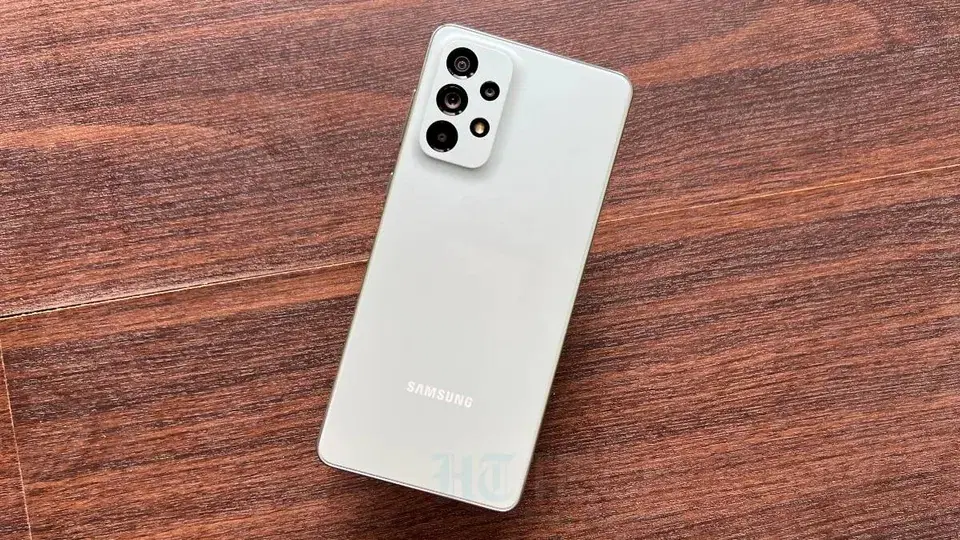
In an era where smartphone cameras are often the primary decision-making factor for consumers, Samsung's Galaxy A-series has quietly, yet decisively, carved out a formidable niche. Once perceived as mere budget alternatives to their flagship S-series brethren, the A-series has undergone a remarkable evolution, emerging as a compelling choice for users who demand exceptional photographic capabilities without the premium price tag. This transformation isn't just about incremental upgrades; it represents a strategic shift by Samsung to democratize advanced camera technology, making high-quality mobile photography accessible to a broader audience.
For years, the narrative in the smartphone market dictated that cutting-edge camera performance was exclusively reserved for devices costing upwards of a thousand dollars. However, the A-series challenges this notion, proving that innovation can thrive in the mid-range segment. By carefully selecting and optimizing sensor technology, computational photography algorithms, and user-friendly interfaces, Samsung has crafted a lineup that consistently delivers stunning results, often blurring the lines between mid-range and premium camera experiences.
The A-Series Philosophy: Bridging the Gap
Samsung's approach with the A-series cameras is multifaceted. It's not simply about stuffing high-megapixel sensors into affordable phones; it's about a holistic integration of hardware and software designed to maximize photographic potential. The company leverages its vast experience from the S-series, adapting and refining features for the A-series. This includes advancements in optical image stabilization (OIS), which significantly reduces blur in photos and videos, especially in challenging low-light conditions. Furthermore, the A-series benefits from Samsung's sophisticated image processing, which intelligently enhances colors, dynamic range, and detail, producing vibrant and lifelike images right out of the camera.
Historically, mid-range phones struggled with consistency, often delivering great results in ideal lighting but falling short in less-than-perfect scenarios. The latest A-series models, however, demonstrate a remarkable ability to perform across a variety of lighting conditions, from bright daylight to dimly lit interiors. This consistency is a testament to Samsung's commitment to delivering a reliable camera experience, making these phones suitable for everyday photography, travel, and social media content creation.
Key Technologies Driving A-Series Camera Excellence
The success of the A-series cameras can be attributed to several key technological advancements and strategic choices:
* High-Resolution Main Sensors: Many A-series phones now feature main cameras with resolutions of 48MP, 64MP, or even 108MP. While megapixel count isn't the sole determinant of quality, these higher resolutions, combined with pixel-binning technology (like Samsung's Tetracell or Nonacell), allow the camera to capture more light and detail, especially in low-light environments. The resulting 12MP or 16MP images are often rich in detail and exhibit low noise. * Optical Image Stabilization (OIS): Once a premium-only feature, OIS is increasingly common in higher-end A-series models. OIS physically moves the lens to compensate for hand movements, leading to sharper photos and smoother videos, particularly crucial for night photography and video recording. * Versatile Multi-Camera Setups: Modern A-series phones typically boast a quad-camera array, offering a range of photographic options. This usually includes: * A main wide-angle lens for general photography. * An ultrawide-angle lens for expansive landscapes and group shots. * A macro lens for detailed close-ups. * A depth sensor for improved portrait mode effects with natural-looking bokeh. * Advanced Computational Photography: Samsung integrates its proprietary AI-powered image processing algorithms into the A-series. Features like Scene Optimizer automatically detect the subject and adjust camera settings for optimal results. Night Mode significantly enhances low-light photos by combining multiple exposures, reducing noise, and boosting brightness. * Improved Selfie Cameras: Recognizing the importance of front-facing cameras, Samsung has also upgraded the A-series' selfie capabilities, often including high-resolution sensors and features like autofocus and wider apertures for better group selfies and video calls.
The User Experience: More Than Just Specs
Beyond the technical specifications, the user experience of the A-series cameras is a significant draw. Samsung's camera app is intuitive and feature-rich, offering a variety of modes that cater to different photographic needs. From Pro Mode, which allows manual control over settings like ISO and shutter speed, to fun AR Doodles and Single Take, which captures multiple types of content with one tap, the A-series provides tools for both casual users and budding enthusiasts.
Video capabilities have also seen substantial improvements. Many A-series phones now support 4K video recording, often with OIS, delivering stable and high-quality footage. Features like Super Steady mode further enhance video stability, making these phones capable tools for vlogging and capturing dynamic moments.
Impact on the Mid-Range Market and Consumer Expectations
The rise of the A-series as a camera champion has had a profound impact on the broader mid-range smartphone market. It has forced competitors to step up their game, leading to an overall improvement in camera quality across the segment. Consumers are no longer content with mediocre cameras in affordable phones; they expect and demand features and performance that were once exclusive to top-tier devices. This competitive pressure ultimately benefits the consumer, offering more choice and better value.
Furthermore, the A-series helps democratize creativity. With powerful and accessible camera tools in their pockets, more people can explore photography and videography, share their stories, and engage with the world visually. This accessibility fosters a new generation of content creators and visual communicators, proving that innovation isn't just about pushing boundaries at the high end, but also about making advanced capabilities universally available.
The Future of A-Series Photography
Looking ahead, the trajectory of the A-series suggests continued innovation. We can anticipate further enhancements in computational photography, perhaps leveraging more advanced AI for even smarter scene recognition, improved low-light performance, and more sophisticated video features. The integration of cutting-edge sensor technology, potentially trickling down from future S-series flagships, will also play a crucial role. We might see advancements in zoom capabilities, improved dynamic range, and even more refined portrait modes.
Samsung's commitment to the A-series underscores a broader industry trend: the increasing importance of the mid-range segment. As flagship prices continue to climb, devices like the A-series offer a compelling alternative, proving that excellence in key areas like camera performance doesn't have to come at an exorbitant cost. For consumers seeking a reliable, versatile, and high-performing camera in their daily driver, the Samsung Galaxy A-series stands as a testament to what's possible when innovation meets accessibility. It's a clear signal that the best camera phone isn't always the most expensive one; sometimes, it's the one that smartly balances features, performance, and value, putting professional-grade photography within everyone's reach.
Stay Informed
Get the world's most important stories delivered to your inbox.
No spam, unsubscribe anytime.
Comments
No comments yet. Be the first to share your thoughts!