Google Search Live Gets a Gemini Makeover: A Visual Revolution for Conversational AI
Google's Search Live is undergoing a significant visual overhaul, integrating the advanced capabilities and aesthetic of its Gemini AI. This update promises a more intuitive and engaging conversational experience, moving beyond simple text-based interactions. Early beta tests reveal a dynamic, multimodal interface designed to enhance user engagement and streamline information retrieval, marking a pivotal step in the evolution of AI-powered search.
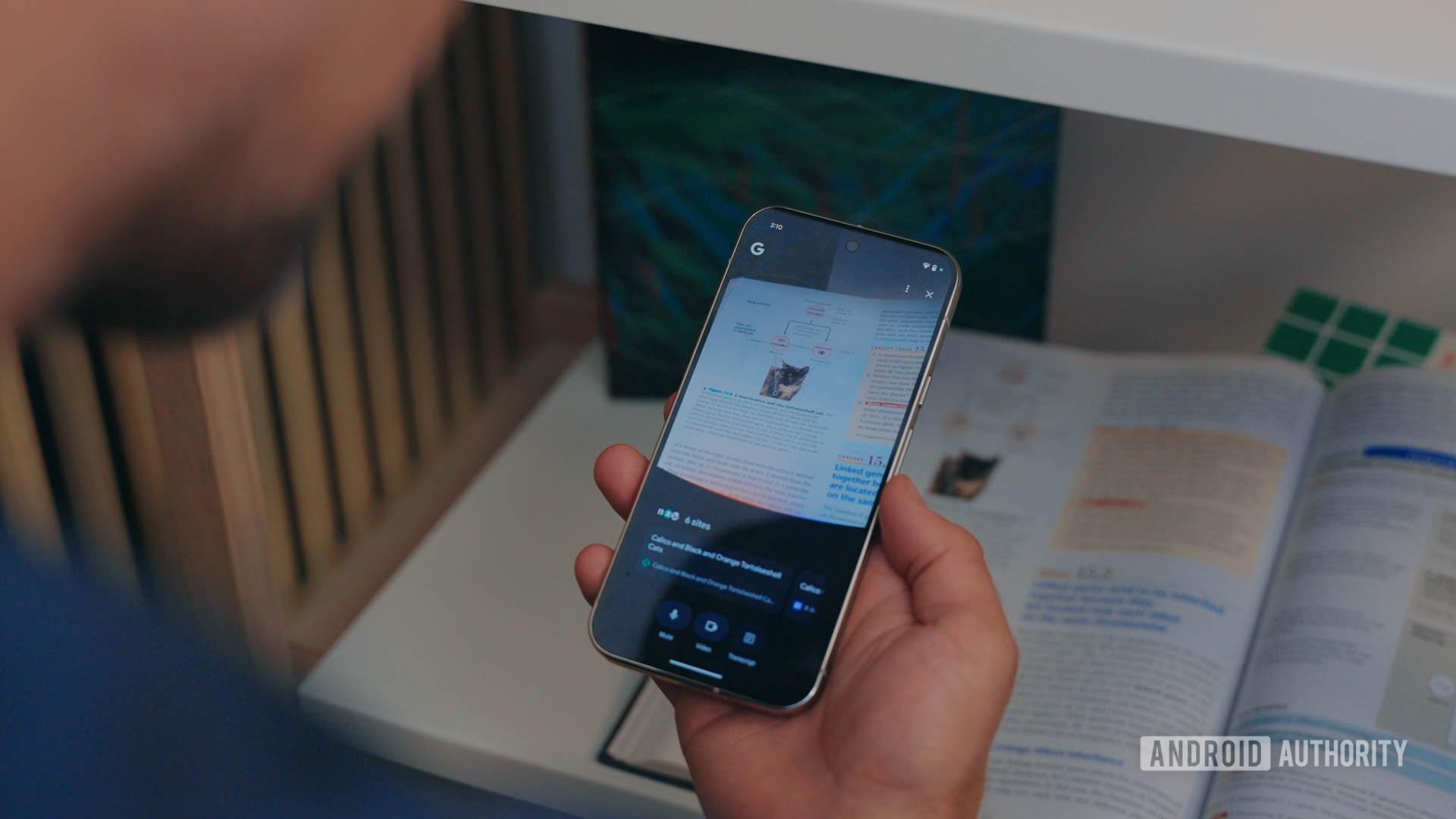
In an era where artificial intelligence is rapidly reshaping our digital landscape, Google stands at the forefront, continually refining how we interact with information. The latest whispers from the tech world confirm a significant evolution for Google Search Live, the conversational AI mode within the Google app. Early glimpses from beta testers reveal a profound visual transformation, deeply infused with the design language and advanced functionalities of Gemini, Google's most powerful AI model. This isn't just a cosmetic tweak; it's a strategic reimagining of how users will engage in spoken, conversational interactions with AI, promising a more intuitive, dynamic, and visually rich experience.
The Dawn of Conversational Search: A Brief History
To truly appreciate the significance of this update, it's essential to understand the journey of conversational AI in search. For years, search engines were primarily text-based, requiring users to type precise keywords to unearth information. The advent of voice assistants like Google Assistant and Apple's Siri marked a pivotal shift, allowing users to speak their queries. However, these interactions often felt transactional, lacking the fluidity of human conversation. Google's Search Live emerged as a more advanced step, offering a mode where users could engage in a continuous dialogue, ask follow-up questions, and even interrupt the AI mid-response to redirect the conversation. It was a leap towards more natural interaction, but its user interface, while functional, remained largely utilitarian, often presenting information in a straightforward, text-heavy format. The underlying power of the AI was there, but the visual presentation hadn't quite caught up to the sophistication of the spoken interaction.
This historical context highlights a common challenge in AI development: bridging the gap between powerful backend processing and intuitive, user-friendly frontend design. As AI models like Gemini grow in complexity and capability, the interface through which users access these powers becomes paramount. A clunky or unintuitive UI can easily undermine even the most advanced AI, creating friction rather than seamless interaction. Google's move to infuse Gemini's visual identity into Search Live is a direct response to this challenge, aiming to create a cohesive and visually appealing experience that matches the intelligence of the underlying AI.
Gemini's Visual Language: More Than Just Aesthetics
The integration of Gemini's visual language into Search Live is far more than a simple re-skinning. It represents a fundamental shift towards a multimodal interaction paradigm. The refreshed interface, as observed in beta, is characterized by a sleek, modern design that prioritizes clarity and dynamic presentation. Instead of static text blocks, users are greeted with a more fluid and interactive display. Key elements include:
* Dynamic Information Cards: Responses are no longer just spoken words or plain text. They are presented within visually appealing cards that can integrate text, images, and even short video snippets, making information consumption more digestible and engaging. * Interactive Elements: The new UI is expected to feature more interactive components, allowing users to delve deeper into specific aspects of a response with a tap, rather than needing to formulate an entirely new spoken query. * Contextual Visual Cues: The interface intelligently uses visual cues to indicate the AI's processing, understanding of context, and readiness for follow-up questions. This reduces ambiguity and makes the conversational flow feel more natural. * Consistent Branding: By adopting Gemini's distinct visual identity, Google is creating a unified brand experience across its advanced AI offerings, reinforcing the idea that Search Live is now powered by the same cutting-edge intelligence as Gemini itself.
This visual transformation is crucial for several reasons. Firstly, it enhances usability. A well-designed interface reduces cognitive load, making complex information easier to process. Secondly, it improves engagement. A dynamic and visually rich experience is inherently more captivating than a static one, encouraging users to spend more time interacting with the AI. Lastly, it builds trust. A polished, modern interface conveys professionalism and competence, reinforcing the user's confidence in the AI's capabilities.
Implications for the User Experience: A Smarter, More Intuitive Search
The implications of this Gemini-flavored visual update for the end-user are profound. Imagine asking Search Live about a historical event. Instead of just a spoken summary, you might see a timeline, relevant images, and links to detailed articles, all presented in an organized, visually appealing manner. If you inquire about a recipe, the AI could display ingredient lists, step-by-step instructions with accompanying photos, and even a short video demonstration, all within the same conversational interface.
This multimodal approach moves beyond simply answering questions; it aims to provide a comprehensive information experience. Users will be able to:
* Grasp complex information more quickly: Visual aids like charts, graphs, and images can convey information more efficiently than text alone. * Engage in richer follow-up conversations: With more context presented visually, users can formulate more precise follow-up questions, leading to deeper and more nuanced interactions. * Reduce the need for external navigation: By integrating diverse information formats directly into the Search Live interface, users may find fewer reasons to open separate apps or browser tabs, creating a more seamless workflow. * Benefit from a more personalized experience: As the AI understands user preferences and interaction patterns, the visual presentation of information could become increasingly tailored to individual needs, further enhancing relevance and engagement.
This evolution aligns with broader trends in human-computer interaction, where interfaces are becoming increasingly intelligent, anticipatory, and designed to minimize user effort. The goal is to make interacting with AI feel less like querying a machine and more like collaborating with an intelligent assistant.
The Future of Search: Beyond Keywords and Blue Links
Google's investment in Search Live and its visual integration with Gemini signals a clear direction for the future of search. The era of simply typing keywords into a search bar and sifting through a list of blue links is gradually giving way to a more sophisticated, conversational, and multimodal paradigm. This shift has several long-term implications:
* Enhanced Accessibility: A more intuitive and visually rich interface can make advanced AI capabilities accessible to a broader audience, including those who may struggle with traditional text-based search or have specific accessibility needs. * New Content Creation Paradigms: Content creators and publishers will need to adapt to a world where information is increasingly consumed through conversational AI interfaces. Optimizing for multimodal presentation and direct answers will become as important as traditional SEO. * Ethical Considerations: As AI becomes more integrated and visually persuasive, the ethical implications surrounding bias, misinformation, and data privacy will become even more critical. Google will need to ensure transparency and accountability in how information is presented and sourced.
In conclusion, the Gemini-flavored visual update to Google Search Live is a pivotal moment in the evolution of conversational AI. It represents Google's commitment to not only advancing the intelligence of its AI models but also to creating an unparalleled user experience. By merging cutting-edge AI with a dynamic and intuitive visual interface, Google is setting a new standard for how we interact with information, moving us closer to a future where our digital assistants are not just smart, but also remarkably easy and enjoyable to converse with. This transformation promises a more human-like, visually engaging, and ultimately more effective way to explore the vast ocean of knowledge at our fingertips, solidifying Google's position as a leader in the next generation of search technology.
Stay Informed
Get the world's most important stories delivered to your inbox.
No spam, unsubscribe anytime.
Comments
No comments yet. Be the first to share your thoughts!