Beyond the Compliance Paywall: Unlocking Africa's Mineral Wealth for True Sovereignty
Africa possesses immense mineral wealth, yet struggles with resource management, often failing to translate this into widespread prosperity. This article explores the concept of 'mineral financial sovereignty,' advocating for a shift from mere compliance to active participation and value creation within the global mining industry. It delves into historical exploitation, current challenges, and proposes actionable strategies for African nations to reclaim control over their natural endowments.
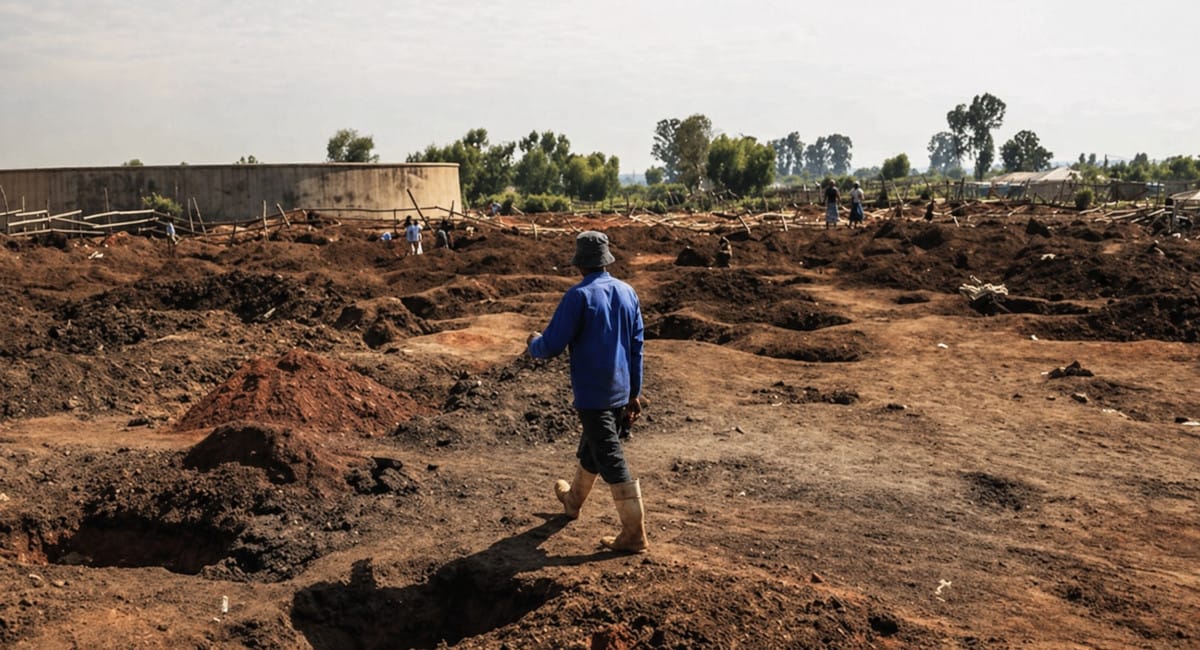
Africa, a continent teeming with unparalleled mineral resources, paradoxically grapples with endemic poverty and underdevelopment. The narrative often points to a 'resource problem,' but as experts increasingly argue, the true challenge lies in resource management. This isn't merely about extraction; it's about achieving mineral financial sovereignty – a state where African nations not only control their resources but also harness them to drive sustainable economic growth and uplift their populations. The journey from being a mere supplier of raw materials to a strategic player in the global mineral value chain is complex, fraught with historical baggage and contemporary hurdles, yet it is an imperative for the continent's future.
The Echoes of Exploitation: A Historical Perspective
For centuries, Africa's mineral wealth has fueled industrial revolutions and economic booms elsewhere, often at the continent's expense. The colonial era institutionalized a system of extraction, where resources were shipped out with minimal local processing or benefit. Post-independence, many African nations inherited mining codes and structures designed to facilitate foreign capital inflow rather than foster local ownership and value addition. This legacy has created a 'compliance paywall,' where African governments are often relegated to regulating foreign entities rather than actively participating as owners and developers. The story of Youssef, a silver miner in a fictional narrative, tragically mirrors the reality of countless African miners – toiling in perilous conditions, their labor enriching distant corporations while their communities remain impoverished. This historical context is crucial to understanding the deep-seated challenges in achieving true sovereignty.
The Modern Predicament: Beyond Royalties and Taxes
Today, the 'resource management problem' manifests in several critical ways. While many African countries have revised their mining codes to demand higher royalties, taxes, and local content requirements, these measures often fall short of delivering transformative change. The focus remains largely on compliance, ensuring that foreign operators adhere to regulations, pay their dues, and perhaps engage in some corporate social responsibility. However, this approach overlooks the fundamental issue: African nations are still largely passive recipients of revenue, rather than active participants in the entire value chain. The lack of robust local processing, manufacturing, and beneficiation means that the bulk of the value generated from these minerals is captured outside the continent. For instance, a kilogram of raw cobalt from the DRC might fetch a few dollars, but once processed into a battery component, its value skyrockets, benefiting manufacturers in Asia or Europe. This value leakage represents a staggering loss of potential wealth and job creation.
Furthermore, the global financial architecture often works against African interests. Access to affordable capital for large-scale mining projects, especially for local entities, remains a significant barrier. International financial institutions and private investors often prefer established foreign players, perpetuating a cycle where African ownership and control are difficult to achieve. The volatility of commodity prices also adds another layer of complexity, making long-term planning and investment challenging for resource-dependent economies.
Pillars of Mineral Financial Sovereignty: A Path Forward
Achieving mineral financial sovereignty requires a multi-faceted approach, moving beyond mere regulatory compliance to strategic, proactive engagement. Here are key pillars:
* Strategic State Participation: African governments should move from being just regulators to active, strategic investors and owners in mining projects. This could involve direct equity stakes, joint ventures with local and international partners, and the establishment of state-owned enterprises with robust governance frameworks. The goal is to ensure that a significant portion of the profits and decision-making power remains within the country. * Value Addition and Beneficiation: Investing heavily in local processing, refining, and manufacturing capabilities is paramount. This means developing the infrastructure, skills, and technology to transform raw minerals into higher-value products. For example, instead of exporting raw bauxite, countries should aim to produce aluminum; instead of raw copper, they should aim for copper wire or components. This creates more jobs, generates higher revenues, and fosters industrialization. * Local Content Development: Beyond simple local hiring, true local content development involves building a robust ecosystem of local suppliers, service providers, and technical expertise. This includes training programs, technology transfer initiatives, and policies that incentivize foreign companies to partner with and empower local businesses. This ensures that the economic benefits ripple through the broader economy. * Access to Capital and Financial Innovation: African nations need to explore innovative financing mechanisms, including regional development banks, sovereign wealth funds, and public-private partnerships, to fund their participation in the mining sector. Developing local capital markets and attracting ethical impact investors can also reduce reliance on traditional, often restrictive, foreign financing. * Regional Cooperation and Integration: Addressing the challenges of mineral sovereignty is not a task for individual nations alone. Regional blocs like ECOWAS, SADC, and the AU can play a crucial role in harmonizing mining policies, sharing best practices, establishing regional processing hubs, and negotiating collectively on the global stage. A united front strengthens Africa's bargaining power.
The Imperative of Good Governance and Transparency
Underpinning all these strategies is the absolute necessity of good governance, transparency, and accountability. Without robust institutions, strong anti-corruption measures, and clear legal frameworks, even the best policies will falter. The 'resource curse' is often a governance curse, where mineral wealth fuels corruption and conflict rather than development. Ensuring that revenues are managed transparently, invested wisely in public services like education and healthcare, and that communities directly benefit from mining operations is critical to building public trust and achieving sustainable development.
A Future Forged in African Hands
Africa's mineral wealth is not a curse; it is a profound opportunity. The shift from a compliance-driven model to one of active participation and financial sovereignty is not merely an economic imperative but a moral one. It is about reclaiming agency, fostering self-determination, and ensuring that the continent's vast natural endowments serve the prosperity of its own people. By strategically investing in value addition, fostering local capabilities, and embracing robust governance, Africa can move beyond the shadows of historical exploitation and forge a future where its mineral resources truly empower its rise on the global stage. This is the promise of mineral financial sovereignty – a future where the continent's wealth truly belongs to its people, managed by its people, for its people.
Stay Informed
Get the world's most important stories delivered to your inbox.
No spam, unsubscribe anytime.
Comments
No comments yet. Be the first to share your thoughts!