Britain's Landmark Smoking Ban: A Global Precedent or a Pipedream?
Britain is poised to enact a groundbreaking lifetime smoking ban, preventing anyone born after January 1, 2009, from ever legally purchasing tobacco. This bold legislation, which passed its final parliamentary hurdles, aims to create a 'smoke-free generation' by 2040. While hailed by health advocates as a monumental step, critics question its enforceability and potential for a black market. The policy sets a global precedent, inviting scrutiny on its effectiveness and ethical implications.
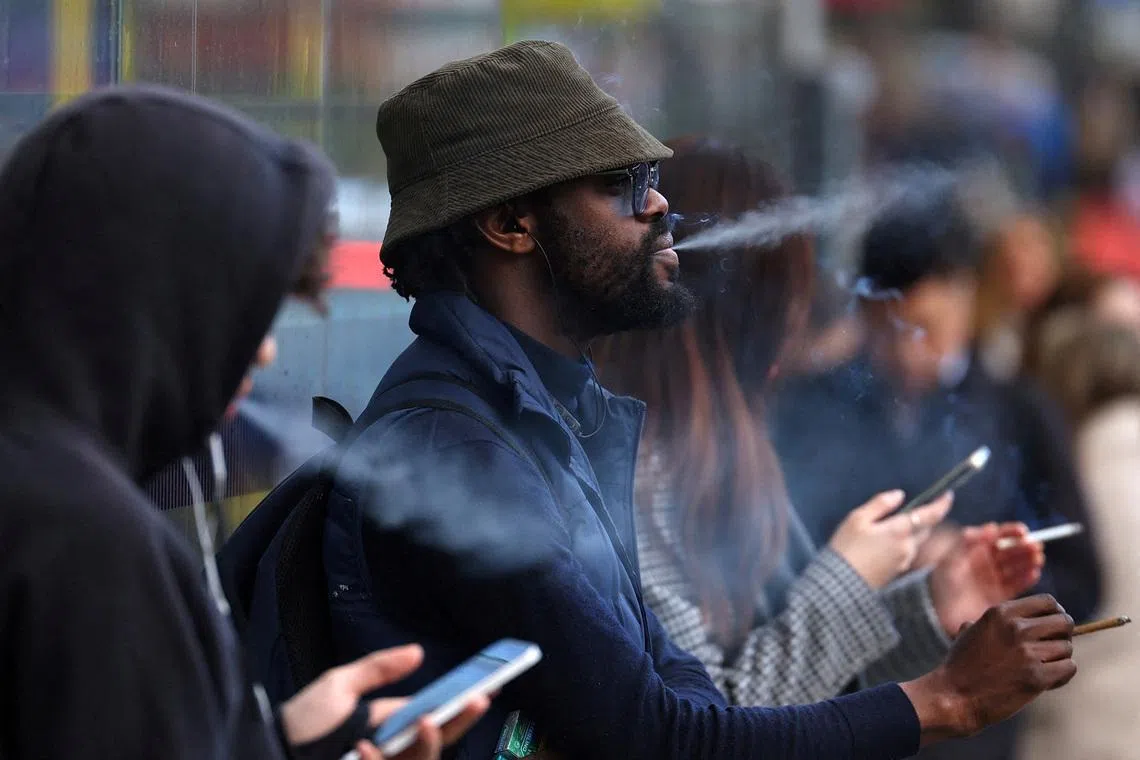
The United Kingdom stands on the precipice of a public health revolution, as its pioneering lifetime smoking ban is set to become law this week. This audacious legislation, a cornerstone of Prime Minister Rishi Sunak's agenda, aims to create the world's first 'smoke-free generation' by progressively raising the legal age for purchasing tobacco. Under the new law, anyone born on or after January 1, 2009, will never be able to legally buy cigarettes in England and Wales, effectively phasing out smoking for an entire cohort of the population. This move places Britain at the forefront of global anti-tobacco efforts, sparking both fervent praise and considerable debate over its practical implementation and long-term societal impact.
A Bold Vision for Public Health
The Tobacco and Vapes Bill, which received overwhelming support in Parliament, represents a radical departure from traditional tobacco control measures. Instead of merely restricting access or increasing taxes, it seeks to eliminate smoking for future generations entirely. The government's stated goal is to reduce smoking rates to below 5% by 2040, a target deemed ambitious but achievable through this incremental ban. Health Secretary Victoria Atkins championed the bill, emphasizing the devastating toll smoking takes on the National Health Service (NHS) and individual lives. Smoking remains the single largest preventable cause of death in the UK, responsible for approximately 75,000 deaths annually and costing the NHS billions of pounds each year in treating related illnesses such as cancer, heart disease, and respiratory conditions. Proponents argue that the long-term health and economic benefits far outweigh any concerns about individual liberty, framing it as a protective measure for children and adolescents.
Historically, the UK has been a leader in tobacco control, implementing measures like the ban on smoking in public places, plain packaging for cigarettes, and restrictions on advertising. This latest legislation builds upon that legacy, pushing the boundaries of what is considered acceptable government intervention in public health. The policy draws inspiration from New Zealand's similar, albeit now repealed, 'smoke-free generation' law, which aimed to ban tobacco sales for anyone born after 2008. While New Zealand's policy was reversed due to economic concerns by a new government, the UK has pressed ahead, signaling a strong political commitment to this public health objective.
Navigating the Ethical and Practical Minefield
Despite widespread support, the legislation has not been without its detractors. Critics, including some within the Conservative Party, have raised concerns about the erosion of personal freedom and the potential for unintended consequences. Former Prime Minister Liz Truss, for instance, argued that the ban was
Stay Informed
Get the world's most important stories delivered to your inbox.
No spam, unsubscribe anytime.
Comments
No comments yet. Be the first to share your thoughts!