Beyond the Cubicle: How Personalized Workspaces Boost Motivation and Productivity
New research reveals that a personalized workspace significantly enhances employee motivation and productivity, with 72% of workers reporting increased drive. This trend reflects a deeper psychological need for self-expression and control, transforming sterile offices into dynamic environments. Businesses are now recognizing the strategic value of empowering employees to curate their desks, fostering a more engaged and innovative workforce. This shift marks a departure from traditional, uniform office designs, embracing individuality as a cornerstone of modern work culture.
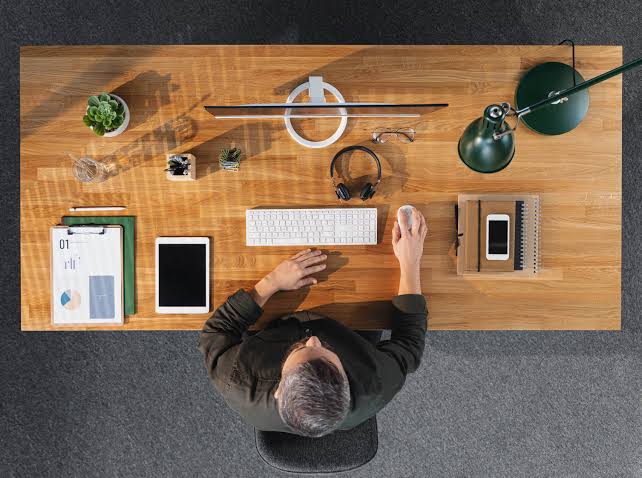
In an era increasingly defined by remote work and flexible schedules, the physical office space might seem like a relic of the past. Yet, for the millions who still commute to a dedicated workplace, the immediate surroundings of their desk continue to play a surprisingly profound role in their daily experience. New research has unveiled a compelling truth: a personalized workspace isn't just a matter of aesthetic preference; it's a powerful catalyst for motivation, productivity, and overall job satisfaction. This groundbreaking insight challenges traditional corporate norms and invites a re-evaluation of how we design and inhabit our professional environments.
The study, which surveyed a vast cross-section of office workers, found that a staggering 72 percent of respondents reported feeling more motivated when their workspace reflected their individual personality and interests. This isn't merely about adding a plant or a family photo; it's about the psychological impact of having a sense of ownership and control over one's immediate environment. For too long, the corporate world has prioritized uniformity and efficiency, often at the expense of individual well-being and creative expression. The findings suggest that this approach may be counterproductive, hindering the very qualities it seeks to foster.
The Psychology of Personalization: Why It Matters
The desire to personalize one's space is deeply rooted in human psychology. It speaks to our fundamental need for autonomy, identity, and belonging. In a professional context, a personalized desk acts as a small, tangible extension of one's self within a larger, often impersonal, corporate structure. It's a subtle yet potent declaration of individuality, a reminder that even within a team, one's unique contributions are valued.
Psychologists often point to the concept of 'territoriality' – the innate human tendency to mark and defend one's personal space. While modern office environments are far removed from primal territories, the underlying psychological mechanisms remain. When employees are allowed to personalize their desks, they feel a greater sense of ownership and responsibility for that space, which can translate into greater engagement with their work. This sense of control can mitigate feelings of powerlessness, a common complaint in highly structured corporate environments. Moreover, familiar objects and personal touches can serve as anchors of comfort and inspiration, reducing stress and fostering a more positive emotional state, which is directly linked to cognitive performance and creativity.
Historically, the office environment has undergone significant transformations. From the rigid, hierarchical layouts of the early 20th century to the open-plan offices of recent decades, the pendulum has swung between various philosophies. The common thread, however, has often been a top-down approach to design, with little input from the end-users. The cubicle, a symbol of corporate efficiency and anonymity, epitomized this approach. While intended to maximize space and reduce distractions, it often led to feelings of isolation and a lack of personal expression. The current research suggests a move towards a more human-centric design philosophy, where the individual's psychological needs are given precedence.
From Sterile to Stimulating: Practical Applications
For businesses looking to harness the power of personalization, the implications are clear. It's not about expensive renovations but about fostering a culture that embraces individual expression. Simple changes can yield significant results:
* Encourage personal items: Allow employees to bring in photos, small plants, artwork, or meaningful trinkets. These items serve as visual cues that can spark creativity and provide comfort. * Flexible furniture options: Where possible, offer choices in desk height, chair type, or even monitor setup. Providing options empowers employees to create an ergonomic and comfortable space tailored to their needs. * Color and texture: While corporate branding might dictate overall color schemes, allowing for personal touches in accessories like mousepads, pen holders, or desk organizers can make a big difference. * Sensory elements: Consider allowing small, personal diffusers with calming scents or encouraging the use of headphones for personalized soundscapes, within reasonable office etiquette.
One tech company in Silicon Valley, for instance, famously allows its engineers to completely redesign their immediate workstations, from custom-built desks to themed decor. The result? A highly engaged workforce known for its innovative solutions and low turnover rates. This isn't just about aesthetics; it's about creating an environment where employees feel respected, trusted, and empowered to perform at their best.
The Future of Work: A Personalized Paradigm
The findings of this research align with broader trends in the future of work, which emphasize employee well-being, flexibility, and a holistic approach to productivity. As companies increasingly compete for top talent, offering an environment that supports individual expression can be a significant differentiator. It signals a progressive mindset, one that understands that a happy, engaged employee is a productive employee.
Moreover, in a world grappling with mental health challenges, particularly post-pandemic, creating a workspace that feels like a sanctuary rather than a sterile cage is paramount. A personalized desk can be a small but mighty tool in promoting a sense of psychological safety and reducing workplace stress. It allows individuals to inject a piece of their home, their passions, or their identity into their professional lives, blurring the often-rigid lines between work and personal spheres in a healthy, empowering way.
Looking ahead, we can expect to see more organizations adopting policies that actively encourage workspace personalization. This might involve designated budgets for desk decor, workshops on ergonomic setup, or even internal competitions for the most creative workspace. The shift is not just about making offices 'prettier'; it's about recognizing the profound link between our environment, our identity, and our output. By embracing the power of personalization, businesses can cultivate a more vibrant, innovative, and human-centric workplace, paving the way for a future where every desk is not just a workstation, but a reflection of the unique individual behind it, driving both personal and organizational success.
Stay Informed
Get the world's most important stories delivered to your inbox.
No spam, unsubscribe anytime.
Comments
No comments yet. Be the first to share your thoughts!