Beyond the Veil: How Holograms Are Redefining Grief and Remembrance
After nearly six decades of marriage, Pam Cronrath honored her late husband, Bill, with a holographic appearance at his funeral, fulfilling a promise for a 'super wake'. This extraordinary act of remembrance highlights a burgeoning trend where advanced technology intersects with the deeply personal journey of grief. As digital immortality becomes increasingly accessible, societies grapple with the ethical, emotional, and cultural implications of bringing the deceased back to life, even momentarily, through virtual means.
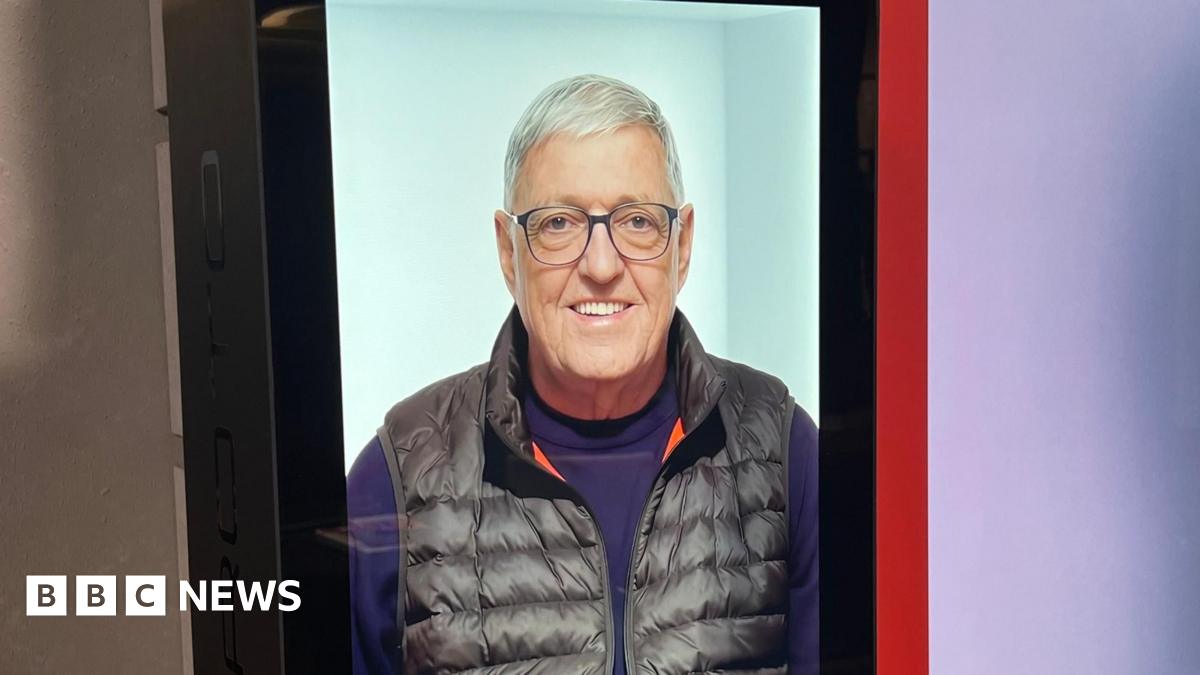
The flickering image of a loved one, speaking words of comfort and farewell, might once have been confined to the realm of science fiction. Yet, for Pam Cronrath, this became a poignant reality when she brought her husband, Bill, back to his own funeral as a hologram. After nearly 60 years of marriage, Bill's passing left a void, but Pam, ever the innovator, sought a way to honor his vibrant spirit and fulfill a promise for a 'super wake'. This remarkable event, while deeply personal, signals a profound shift in how we approach death, grief, and remembrance in an increasingly digital age.
The Genesis of a Digital Farewell
Pam Cronrath's journey into holographic remembrance began with a simple, heartfelt desire: to give Bill the send-off he deserved. The idea, initially vague, solidified into a vision of him being present, not just in spirit, but in a tangible, albeit virtual, form. This wasn't about denying death, but about extending a final, meaningful interaction. The technology, once reserved for high-profile entertainment like the Tupac Shakur hologram at Coachella, is now becoming more accessible, albeit still specialized. Companies are emerging that specialize in creating these 'digital twins' or 'virtual avatars' of individuals, often using extensive video and audio recordings to capture their essence. For Pam, the process involved meticulously curating Bill's life story, his anecdotes, his laughter, and his wisdom, to craft a persona that would resonate with those who knew him best. This labor of love transformed a traditional funeral into an experience that transcended conventional boundaries, offering a glimpse into a future where mourning might look very different.
Technology Meets Emotion: The Mechanics of Digital Immortality
Creating a convincing holographic presence is no small feat. It involves a sophisticated interplay of artificial intelligence (AI), 3D projection technology, and often, deepfake techniques. The process typically begins with gathering vast amounts of data: photographs, videos, voice recordings, and even written correspondence. AI algorithms then process this information to learn the individual's speech patterns, mannerisms, and even their unique way of expressing emotions. Advanced projectors, sometimes utilizing a technique known as Pepper's Ghost, create the illusion of a three-dimensional image floating in space. The result is a lifelike, albeit ephemeral, representation that can engage with mourners, share memories, and offer personalized messages. This technological marvel raises crucial questions about the nature of identity and presence. Is this truly Bill, or merely a sophisticated echo? For Pam and many others, the emotional impact is undeniable, offering a moment of solace and connection that traditional memorials often cannot.
Ethical Labyrinths and Societal Implications
The rise of holographic remembrance, while offering comfort, also ushers in a complex array of ethical dilemmas and societal considerations. One primary concern revolves around consent. Did the deceased explicitly agree to be resurrected in this digital form? In Bill's case, Pam's deep understanding of his wishes guided her, but for others, this might not be so clear. The potential for exploitation, misrepresentation, or even the commercialization of grief looms large. Imagine a future where companies offer 'digital afterlife' packages, allowing families to interact with AI versions of their loved ones indefinitely. This could profoundly alter the grieving process, potentially hindering acceptance and closure. Furthermore, issues of digital rights, data privacy, and intellectual property become paramount. Who owns the digital persona? How is the data protected? These are questions that legal frameworks and societal norms are only just beginning to address. The technology challenges our very definitions of death, memory, and the sacredness of human life.
A Global Perspective: Cultural Responses to Digital Remembrance
The concept of digital remembrance is not confined to Western societies; it resonates across diverse cultures, albeit with varying interpretations and acceptance levels. In some Eastern cultures, where ancestor veneration is a deeply ingrained practice, the idea of a 'digital ancestor' might find a more natural fit. Imagine a holographic ancestor presiding over family gatherings, offering blessings, or recounting historical narratives. This could be seen as an extension of existing traditions, rather than a radical departure. Conversely, in cultures with strong religious doctrines emphasizing the sanctity of the deceased's physical form or the spiritual journey after death, holographic representations might be met with skepticism or even outright rejection. The global adoption and adaptation of these technologies will largely depend on how they align with, or challenge, existing cultural frameworks around death and mourning. It's a testament to humanity's universal desire to connect with those we've lost, but the path forward will be shaped by a mosaic of beliefs and values.
The Future of Grief: A New Chapter in Human Connection
Pam Cronrath's act of love and innovation with Bill's hologram is more than just a personal story; it's a harbinger of change. As technology continues its relentless march forward, the boundaries between life and death, presence and absence, will become increasingly blurred. We are entering an era where grief may no longer be solely about absence, but also about a different kind of presence. This doesn't mean the end of traditional mourning rituals, but rather an expansion of possibilities. Future funeral services might incorporate personalized holographic eulogies, virtual reality tours of shared memories, or even interactive AI companions designed to help individuals process their loss. The challenge for society will be to navigate these advancements with wisdom, empathy, and a deep respect for human dignity. As we stand on the precipice of this new frontier, the conversation must shift from 'can we?' to 'should we?', ensuring that technology serves to enrich our human experience, even in our deepest moments of sorrow, rather than diminish it. The legacy of Bill and Pam Cronrath, in its unique blend of love and technology, invites us all to ponder what it truly means to remember, and how we might redefine our final goodbyes.
Stay Informed
Get the world's most important stories delivered to your inbox.
No spam, unsubscribe anytime.
Comments
No comments yet. Be the first to share your thoughts!