Burning Bridges: How Xenophobia in South Africa Undermines African Solidarity
South Africa, once a beacon of continental solidarity against apartheid, now grapples with a troubling rise in xenophobia. Attacks on foreign nationals, primarily from other African countries, are eroding the very bonds of brotherhood that helped liberate the nation. This article explores the historical context, socio-economic drivers, and devastating consequences of this internal conflict, questioning the future of African unity.
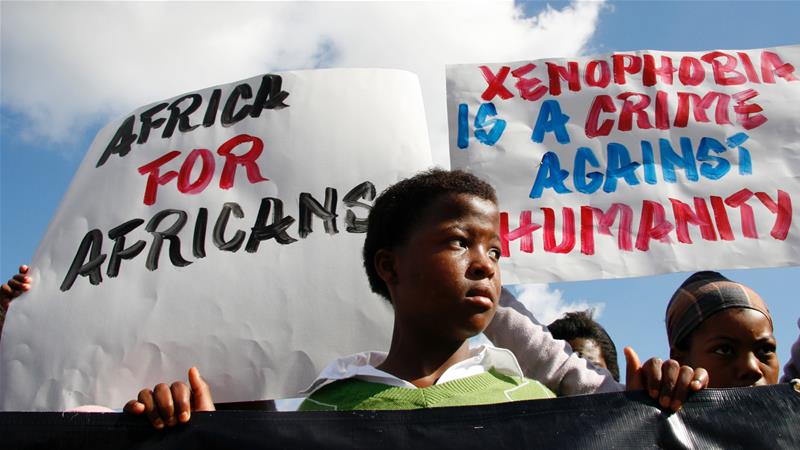
In the long arc of Africa’s liberation, few struggles commanded as much continental solidarity as the fight against apartheid in South Africa. From Ghana to Nigeria, from Tanzania to Zambia, independent African states, many newly freed themselves, contributed significantly to the anti-apartheid movement. They offered refuge to exiles, imposed sanctions, and rallied international support, embodying a profound sense of pan-African brotherhood. Yet, decades after liberation, this cherished solidarity is being systematically eroded by a disturbing surge of xenophobia within South Africa's borders. The very nation that benefited so immensely from African unity now finds itself burning the bridges of that solidarity, as foreign nationals, predominantly from other African countries, face discrimination, violence, and even death.
The Bitter Irony of Post-Apartheid South Africa
The irony is stark and painful. South Africa, often hailed as the 'Rainbow Nation,' a symbol of reconciliation and hope, has become a hotbed of anti-foreigner sentiment. What began as isolated incidents has escalated into recurring waves of violence, often targeting small business owners, informal traders, and laborers from neighboring countries like Zimbabwe, Mozambique, and Nigeria. These attacks, sometimes euphemistically termed 'xenophobic violence' but often amounting to outright pogroms, expose a deep-seated tension within the fabric of South African society. The memory of shared struggle, of African nations sacrificing for South Africa's freedom, seems to have faded, replaced by resentment and scapegoating.
Historical records are replete with instances of African nations' unwavering support. Tanzania, under Julius Nyerere, hosted ANC training camps and provided diplomatic backing. Nigeria, despite its own internal challenges, contributed millions of dollars to the anti-apartheid cause and led the charge for sanctions. Zambia and Botswana bore the brunt of apartheid South Africa's destabilization efforts for their support of liberation movements. This collective effort was not merely political; it was a moral imperative, a recognition that the liberation of one African nation was inextricably linked to the liberation of all. The current climate of hostility towards fellow Africans represents a profound betrayal of this historical legacy.
Socio-Economic Undercurrents and Scapegoating
The roots of South Africa's xenophobia are complex, intertwined with the nation's post-apartheid struggles. While some analysts point to a lack of civic education or a lingering sense of exceptionalism, the primary drivers are largely socio-economic. High unemployment rates, particularly among the youth, pervasive poverty, and stark inequality create a fertile ground for resentment. Foreign nationals are often accused of 'stealing jobs,' 'draining resources,' and 'committing crimes,' despite evidence often contradicting these claims. Studies by organizations like the African Centre for Migration & Society (ACMS) at Wits University have repeatedly shown that migrants contribute significantly to the economy, often filling labor gaps and creating employment through entrepreneurial activities.
However, in a context of widespread deprivation, these nuanced realities are easily overshadowed by populist narratives. Political leaders and local community figures, sometimes inadvertently and sometimes deliberately, fuel anti-foreigner sentiment by deflecting blame for systemic failures onto vulnerable migrant communities. The narrative often shifts from addressing the structural issues of economic inequality and inadequate service delivery to portraying foreign nationals as the primary cause of South Africa's woes. This scapegoating mechanism is a dangerous tactic, diverting attention from governance failures and exacerbating social divisions.
The Devastating Impact: Human Cost and Diplomatic Strain
The human cost of xenophobic violence is immense. Lives are lost, businesses are destroyed, and families are torn apart. Thousands of individuals have been displaced, forced to abandon their homes and livelihoods, often returning to countries they left years ago in search of better opportunities. The psychological trauma inflicted on victims and witnesses is profound, leaving lasting scars on individuals and communities.
Beyond the immediate human tragedy, xenophobia also inflicts severe damage on South Africa's international standing and its diplomatic relations within the continent. Other African nations, whose citizens are often the targets, have expressed outrage and disappointment. There have been diplomatic spats, recalls of ambassadors, and calls for boycotts of South African businesses. This erodes the very notion of African unity and cooperation, hindering regional integration efforts and undermining the collective strength of the continent on the global stage. The African Union (AU) has repeatedly condemned the violence, urging South Africa to address the issue decisively, recognizing the broader implications for regional stability and development.
Pathways to Reconciliation and Renewed Solidarity
Addressing xenophobia in South Africa requires a multi-faceted approach. First, there is an urgent need for strong political leadership that unequivocally condemns violence and actively promotes social cohesion. Leaders must refrain from inflammatory rhetoric and instead educate the public about the positive contributions of migrants. Second, economic inclusion and job creation initiatives that benefit all residents, both local and foreign, are crucial. Addressing the root causes of poverty and inequality will reduce the incentive for scapegoating.
Third, law enforcement must act decisively to prevent and prosecute acts of violence, ensuring justice for victims and deterring future attacks. Impunity only emboldens perpetrators. Fourth, civic education campaigns can play a vital role in fostering understanding and empathy, highlighting the shared history and interdependence of African nations. Finally, fostering dialogue and community engagement between local and migrant communities can help build trust and break down stereotypes. Initiatives that promote cultural exchange and collaborative economic projects can serve as powerful antidotes to division.
South Africa stands at a critical juncture. It can either continue down a path that isolates it from its continental brethren, or it can reclaim its historical role as a champion of African unity and human rights. The legacy of apartheid's defeat was built on solidarity; rebuilding that solidarity now, by confronting xenophobia head-on, is not just a moral imperative but a strategic necessity for South Africa's own future prosperity and stability. Only by embracing its diverse population, including its African migrant communities, can the Rainbow Nation truly shine and fulfill its promise as a beacon of hope for the continent and the world. The bridges of African solidarity, though scarred, can still be mended, but it requires a conscious and sustained effort from all sectors of South African society.
Stay Informed
Get the world's most important stories delivered to your inbox.
No spam, unsubscribe anytime.
Comments
No comments yet. Be the first to share your thoughts!