Deadly Interceptions: The Escalating War on Drugs in the Eastern Pacific
A recent US military strike on an alleged drug smuggling vessel in the Eastern Pacific, resulting in two fatalities, highlights the intensifying and often lethal tactics employed in the global war on drugs. This incident is part of a broader pattern of interdictions by US Southern Command, raising questions about international law, human rights, and the efficacy of such operations. As drug trafficking routes evolve, so too do the strategies to combat them, often with tragic consequences.
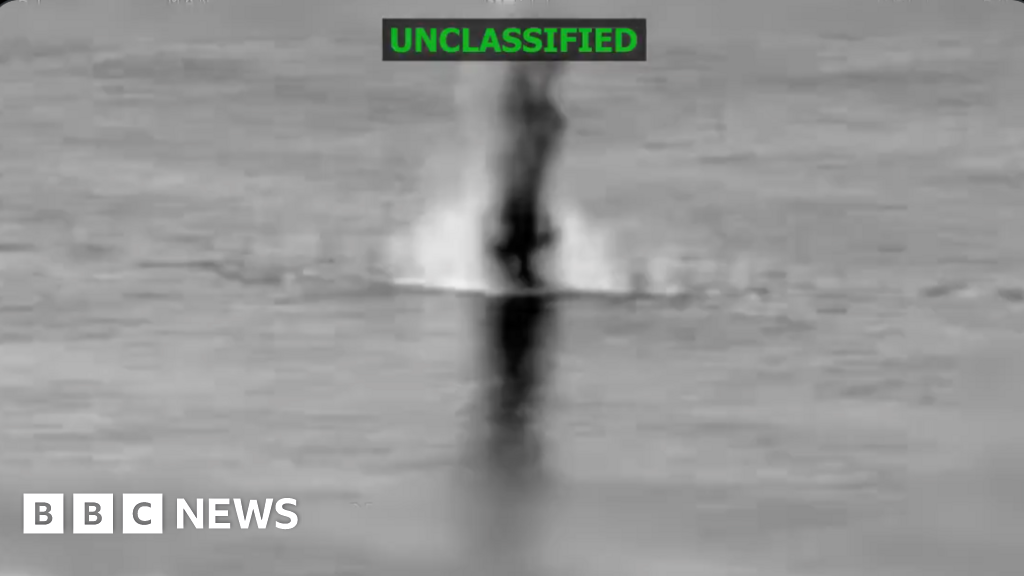
The vast, shimmering expanse of the Eastern Pacific Ocean, a critical artery for global trade and marine life, has increasingly become a deadly battleground in the relentless war on drugs. A recent incident, confirmed by US Southern Command, saw a US military strike on an alleged drug smuggling vessel, claiming the lives of two individuals. This tragic event is not an isolated one; it marks the latest in a series of aggressive interdictions that underscore the escalating and often lethal nature of anti-narcotics operations in the region.
The details, though scarce, paint a grim picture: two lives lost in the pursuit of disrupting illicit supply chains. While the US military asserts its right to interdict vessels suspected of drug trafficking in international waters, such actions invariably ignite complex debates surrounding sovereignty, international law, and the human cost of these high-stakes operations. For PulseWorld, this incident compels a deeper examination of the strategies, implications, and ethical dilemmas inherent in this protracted conflict.
The Strategic Importance of the Eastern Pacific Corridor
The Eastern Pacific, stretching from the coasts of South America up to Central America and Mexico, is a geographical chokepoint of immense strategic value for drug cartels. Its vastness offers anonymity, while its proximity to major cocaine-producing nations like Colombia, Peru, and Bolivia makes it an ideal transit zone for maritime smuggling. Cartels utilize an array of sophisticated methods, from traditional fishing boats and speedboats to semi-submersible vessels (narco-subs) and even fully submersible craft, designed to evade detection by naval and aerial surveillance. These vessels carry tons of cocaine destined primarily for the lucrative markets of North America and, increasingly, Europe.
US Southern Command (SOUTHCOM) is tasked with countering these illicit flows. Its area of responsibility encompasses this critical corridor, and its operations often involve joint efforts with partner nations in Central and South America. The strategy is multi-pronged: intelligence gathering, surveillance, and interdiction. The recent strike falls under the interdiction umbrella, a tactic that aims to physically stop and seize drug shipments before they reach their destination. While effective in disrupting specific shipments, the long-term impact on the overall drug trade remains a subject of intense debate.
Escalation of Tactics and Legal Grey Areas
The use of lethal force, as seen in this latest incident, represents a significant escalation in anti-narcotics efforts. While rules of engagement typically dictate that force should only be used in self-defense or to prevent imminent harm, the dynamics of maritime interdiction can be complex and rapidly evolving. Suspect vessels often attempt to evade capture, sometimes engaging in dangerous maneuvers or even discarding their cargo, creating high-tension situations where split-second decisions are made. The legal framework governing these operations in international waters is intricate, relying on international conventions like the UN Convention against Illicit Traffic in Narcotic Drugs and Psychotropic Substances (1988), which allows for cooperation in suppressing illicit traffic by sea. However, the exact parameters for the use of force, especially against non-state actors, often fall into legal grey areas, leading to scrutiny from human rights organizations and international legal bodies.
Critics argue that such strikes, even if legally permissible under certain circumstances, risk violating fundamental human rights and could be seen as extrajudicial killings. The lack of immediate judicial oversight in the heat of an operation raises concerns about accountability and transparency. Furthermore, the question of whether the individuals on board were merely couriers, perhaps coerced or unaware of the full scope of their cargo, adds another layer of ethical complexity. Are these operations targeting the true architects of the drug trade, or are they primarily impacting the most vulnerable links in the chain?
The Broader Context: A War Without End?
The incident in the Eastern Pacific must be viewed within the broader context of a decades-long, global war on drugs that has cost trillions of dollars and countless lives, yet has largely failed to curb the supply or demand for illicit narcotics. Despite significant interdiction efforts, the flow of drugs continues unabated, adapting to new routes and methods. When one route is blocked, another emerges; when one cartel leader is apprehended, another rises to take their place. This phenomenon, often termed the "balloon effect," suggests that enforcement efforts merely displace, rather than dismantle, the drug trade.
According to the United Nations Office on Drugs and Crime (UNODC), global cocaine production has reached record highs in recent years. This surge in supply, coupled with persistent demand, creates immense pressure on law enforcement agencies to demonstrate effectiveness, often leading to more aggressive tactics. The human toll extends beyond those killed in interdictions; it includes the violence in producing nations, the addiction crises in consuming nations, and the destabilization of governance in transit countries. The focus on interdiction, while seemingly direct, often overlooks the systemic issues driving the drug trade, such as poverty, lack of opportunity, and corruption.
Expert Analysis and Future Implications
Security analysts and policy experts offer varied perspectives on the efficacy and ethics of such strikes. Some argue that aggressive interdiction is a necessary deterrent, disrupting cartel finances and forcing them to expend more resources on logistics, thereby increasing their operational costs and reducing profitability. They contend that without such pressure, the drug trade would proliferate even more rapidly. Others argue that these tactics are ultimately self-defeating, creating a cycle of violence and fostering resentment, while failing to address the root causes of drug production and consumption. They advocate for a shift towards demand reduction, alternative development programs in producing regions, and greater investment in intelligence-led operations that target the financial networks of cartels rather than just their physical shipments.
For the international community, the incident poses critical questions about the future direction of anti-narcotics efforts. Is the current strategy sustainable, both morally and practically? How can international cooperation be strengthened while respecting national sovereignty and human rights? The increasing militarization of drug interdiction raises concerns about the potential for unintended consequences, including heightened regional instability and further erosion of trust between states and their citizens.
In conclusion, the deadly strike in the Eastern Pacific serves as a stark reminder of the complex and often brutal realities of the global war on drugs. While the immediate goal of disrupting illicit shipments may have been achieved, the broader implications—ethical, legal, and strategic—are profound. As long as the demand for illicit drugs persists, and the economic incentives for their production remain high, the Eastern Pacific will likely continue to be a dangerous frontier. A truly effective strategy may require a fundamental re-evaluation, moving beyond kinetic interdiction to a more holistic approach that addresses the socio-economic drivers of the drug trade and prioritizes human dignity alongside security objectives. The lives lost in these operations are not just statistics; they are a tragic testament to a conflict that demands continuous scrutiny and a renewed commitment to finding more humane and effective solutions.
Stay Informed
Get the world's most important stories delivered to your inbox.
No spam, unsubscribe anytime.
Comments
No comments yet. Be the first to share your thoughts!