Devastation in Sabah: Massive Blaze Engulfs 200 Homes in Sandakan Water Village
An early morning inferno ripped through Kampung Bahagia, a bustling water village in Sandakan, Sabah, on April 19, leaving approximately 200 homes in ashes. While no casualties were reported, the fire highlights the precarious living conditions and unique challenges faced by these vulnerable communities. This incident serves as a stark reminder of the urgent need for improved infrastructure and disaster preparedness in such densely populated areas.
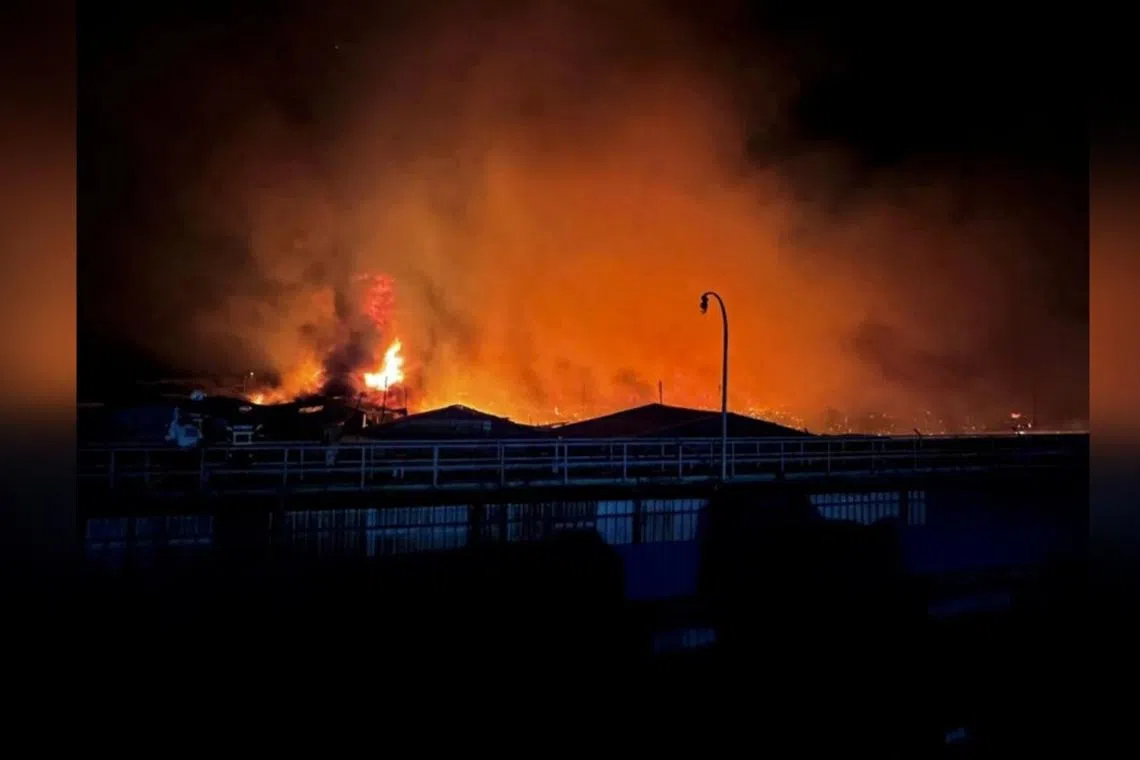
The pre-dawn hours of April 19 brought an unimaginable tragedy to Kampung Bahagia, a vibrant water village nestled on the shores of Sandakan, Sabah. A fierce blaze, reportedly igniting around 1:32 AM, swept through the densely packed stilt homes, leaving a trail of destruction that saw approximately 200 residences reduced to cinders. Miraculously, initial reports from the Sabah Fire and Rescue Department confirmed no casualties, a testament to the swift actions of residents and emergency services, yet the human cost of displacement and loss of livelihoods remains immeasurable.
This incident is not merely a local tragedy; it casts a harsh spotlight on the inherent vulnerabilities of water villages, not just in Malaysia but across Southeast Asia. These unique communities, often characterized by their close-knit structures and reliance on traditional building materials, face distinct challenges when disaster strikes. The rapid spread of flames, fueled by wooden structures and exacerbated by limited access for fire engines, turns a small spark into a catastrophic event in mere minutes.
The Anatomy of a Disaster: How the Fire Spread
The Sabah Fire and Rescue Department described a scene of rapid escalation. The fire, originating in one of the many homes built on stilts over the water, found ample fuel in the predominantly wooden and often interconnected structures of Kampung Bahagia. The close proximity of houses, a hallmark of these traditional settlements, meant that embers and flames could easily jump from one dwelling to the next, creating a domino effect of destruction. Firefighters faced significant hurdles in containing the blaze. Access to the heart of the village is inherently difficult for conventional fire trucks, often requiring the use of smaller boats or portable pumps to draw water directly from the sea. The sheer scale of the inferno, coupled with the early morning darkness, presented an overwhelming challenge to the brave men and women battling the flames. Despite their best efforts, the fire raged for hours, consuming homes and possessions, and displacing hundreds of families who awoke to find their lives irrevocably altered.
The Plight of Water Villages: A Regional Challenge
Water villages, or kampung air as they are known locally, are an iconic feature of coastal Southeast Asia, particularly in regions like Sabah. They represent a unique way of life, deeply intertwined with the marine environment and often serving as homes for fishing communities or indigenous groups. However, their charm often belies significant socio-economic and infrastructural challenges. Many of these villages lack formal urban planning, leading to overcrowding, informal electrical wiring, and a scarcity of modern fire safety infrastructure. The reliance on timber and other highly flammable materials for construction further amplifies the risk. In Malaysia, particularly in Sabah, these communities are also home to a significant number of undocumented migrants, who often live in even more precarious conditions, making them exceptionally vulnerable during emergencies and complicating relief efforts.
Historically, fires have been a recurring nightmare for water villages. Just last year, similar incidents devastated communities in Semporna and Kota Kinabalu, also in Sabah, displacing thousands. These repeated tragedies underscore a systemic issue that requires a multi-faceted approach, moving beyond immediate relief to long-term solutions that address urban planning, housing security, and community resilience. The economic impact on these communities is profound; not only do residents lose their homes and belongings, but also their means of livelihood, as fishing boats, equipment, and small businesses are often destroyed.
Beyond the Flames: The Road to Recovery and Resilience
The immediate aftermath of such a disaster is characterized by a flurry of humanitarian activity. Local authorities, NGOs, and community volunteers quickly mobilize to provide temporary shelter, food, and essential supplies to the displaced. However, the path to full recovery is long and arduous. For the residents of Kampung Bahagia, rebuilding means not just constructing new homes, but also restoring a sense of normalcy and security. This often involves navigating complex bureaucratic processes for aid, securing land titles (which can be ambiguous in informal settlements), and overcoming the psychological trauma of loss.
Looking forward, there is a critical need for sustainable solutions. This includes investing in fire-resistant building materials, improving access for emergency services, and implementing community-based disaster preparedness programs. Education on fire safety, regular inspections of electrical wiring, and the establishment of early warning systems could significantly mitigate future risks. Furthermore, addressing the underlying issues of poverty and informal settlements is crucial. Integrating these communities into broader urban development plans, while respecting their unique cultural heritage, could provide safer and more resilient living conditions. International organizations and regional governments must collaborate to share best practices and resources to protect these vulnerable populations.
A Call for Collective Action
The devastation in Kampung Bahagia serves as a poignant reminder of the fragility of life and the urgent need for collective action. While the absence of casualties is a small mercy, the loss of homes, memories, and livelihoods represents a profound blow to the community. As the smoke clears over Sandakan, the focus must shift from immediate relief to long-term strategies for prevention and resilience. This includes robust policy-making, sustainable urban planning, and empowering local communities with the knowledge and resources to protect themselves. Only then can the residents of water villages across the region hope to live free from the constant threat of such devastating fires, ensuring that their unique way of life can continue for generations to come, built on foundations of safety and security, not just stilts over the water.
Stay Informed
Get the world's most important stories delivered to your inbox.
No spam, unsubscribe anytime.
Comments
No comments yet. Be the first to share your thoughts!