Ebola's Resurgent Shadow: WHO Sounds Alarm as DRC Outbreak Intensifies
The Democratic Republic of Congo is grappling with a rapidly escalating Ebola outbreak, prompting grave concern from the World Health Organization. With cases and fatalities mounting, the international community faces a renewed challenge in containing the highly contagious virus amidst complex regional dynamics. This report delves into the crisis, its historical context, and the global implications.
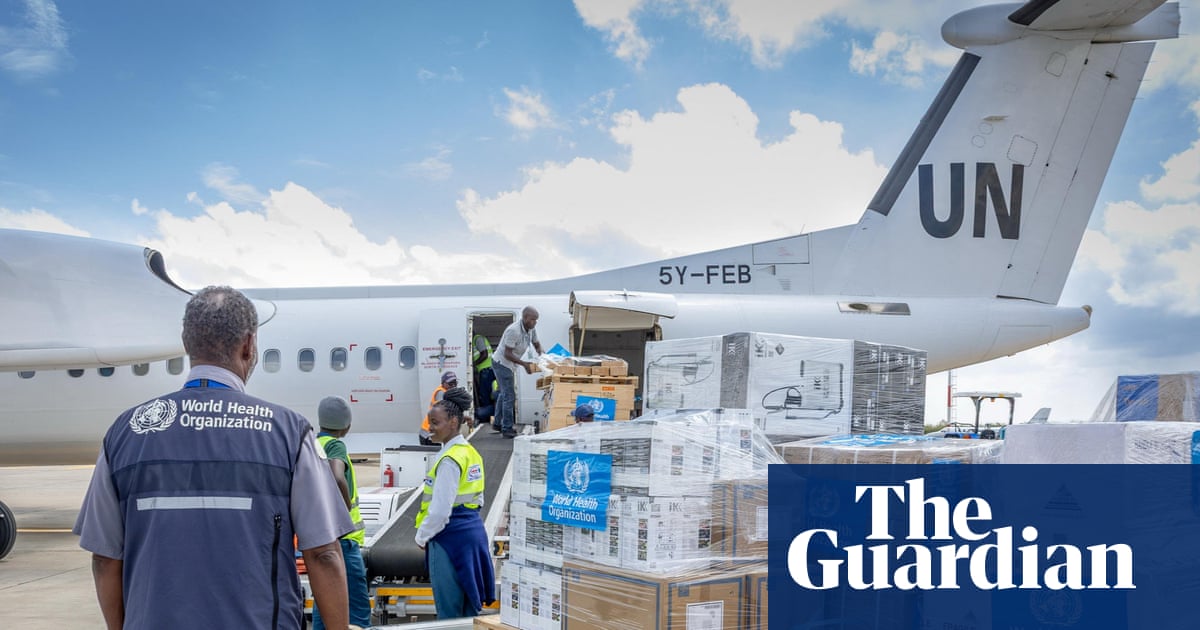
In the heart of Central Africa, a familiar and terrifying shadow is once again lengthening across the Democratic Republic of Congo (DRC). The World Health Organization's Director-General, Dr. Tedros Adhanom Ghebreyesus, has voiced profound alarm over the "scale and speed" of a new Ebola outbreak, a stark reminder of the virus's persistent threat. With at least 130 suspected deaths and a growing tally of confirmed cases, the situation demands immediate and concerted international attention, threatening to destabilize an already fragile region.
The current crisis, centered primarily in the eastern provinces, is not merely a localized health emergency; it is a complex interplay of epidemiology, geopolitics, and humanitarian challenges. The DRC has a long and tragic history with Ebola, having endured numerous outbreaks since the virus was first identified near the Ebola River in 1976. Each resurgence brings with it a fresh wave of fear, disruption, and loss, testing the resilience of communities and the efficacy of global health responses. This latest chapter underscores the critical need for robust surveillance, rapid intervention, and sustained public health infrastructure in vulnerable regions.
A History of Scars: Ebola's Enduring Legacy in DRC
The Democratic Republic of Congo has been the epicenter of more Ebola outbreaks than any other nation. The very name of the virus is derived from a tributary of the Congo River, highlighting its deep roots in the region. The 2014-2016 West African epidemic, which claimed over 11,000 lives, brought Ebola into the global spotlight, but the DRC has been battling the disease for decades, often with less international fanfare. The country's experience with the virus is a tapestry woven with both tragedy and scientific breakthroughs, including the development and deployment of effective vaccines and treatments.
However, these medical advancements are often hampered by on-the-ground realities. Previous outbreaks in the DRC, particularly the one in North Kivu and Ituri from 2018-2020, were complicated by armed conflict, community distrust, and logistical hurdles. Healthcare workers faced violence, and public health messaging struggled to penetrate areas rife with misinformation and skepticism. These challenges are not unique to the DRC but are amplified by its vast, often inaccessible terrain and ongoing internal strife. The current outbreak, while distinct, inherits these systemic vulnerabilities, making containment efforts inherently more difficult.
The Current Crisis: Numbers and Nuances
Dr. Tedros's urgent warning came ahead of an emergency meeting, signaling the gravity of the situation. While specific, real-time figures can fluctuate rapidly, the reported "at least 130 suspected deaths" and the rising number of confirmed cases paint a grim picture. The speed of transmission is particularly concerning, suggesting potential gaps in early detection and contact tracing, or perhaps a more aggressive strain of the virus, though this requires further scientific investigation. The geographic spread within the affected provinces also indicates that the virus is not confined to a single, easily isolated cluster.
Key data points often include: * Case Fatality Rate (CFR): Ebola is notorious for its high CFR, often ranging from 25% to 90% depending on the strain and access to care. Early intervention and supportive treatment are crucial for improving survival rates. * Reproduction Number (R0): Understanding how many secondary infections each primary case generates is vital. An R0 above 1 indicates an expanding epidemic. * Geographic Distribution: Tracking the spread across districts and communities helps in allocating resources and implementing targeted interventions.
The WHO and its partners are mobilizing resources, including rapid response teams, epidemiological surveillance units, and vaccination campaigns. However, the effectiveness of these measures hinges on secure access to affected areas and strong community engagement. Without these, even the most advanced medical tools can be rendered ineffective.
Challenges on the Ground: Conflict, Trust, and Logistics
The DRC's eastern regions are notoriously volatile, plagued by the presence of numerous armed groups and inter-communal violence. This instability poses immense challenges to public health efforts. Healthcare workers and aid organizations often operate in high-risk environments, facing threats to their safety and restrictions on movement. This not only delays response times but also erodes trust between communities and external actors, who may be perceived as outsiders or even associated with conflict.
Community engagement is paramount in Ebola response. Misinformation and rumors can spread rapidly, leading to resistance against vaccination, safe burial practices, and isolation measures. Building trust requires culturally sensitive communication, involving local leaders, and ensuring that communities feel ownership over the response efforts. This is a slow and painstaking process, often undermined by past grievances or political manipulation.
Logistically, the DRC presents a formidable challenge. Its vast size, poor infrastructure, and remote communities make it difficult to transport personnel, supplies, and samples. Roads are often impassable, and reliance on air transport can be costly and weather-dependent. These logistical hurdles slow down every aspect of the response, from initial assessment to the deployment of vaccines and treatment centers.
Global Implications and the Path Forward
An uncontrolled Ebola outbreak in the DRC is not just a regional problem; it carries significant global implications. In an increasingly interconnected world, infectious diseases can cross borders rapidly, as demonstrated by past epidemics. While the current outbreak is contained within the DRC, the potential for international spread remains a concern, particularly given regional trade and migration patterns. This underscores the importance of a robust global health security framework.
The international community's response must be multifaceted and sustained. Key areas of focus include:
* Enhanced Surveillance and Diagnostics: Strengthening laboratory capacity and surveillance systems to detect cases early and accurately. * Rapid Response and Vaccination: Swift deployment of vaccination teams, utilizing the highly effective Ervebo vaccine, and establishing treatment centers. * Community Engagement and Risk Communication: Investing in culturally appropriate communication strategies to build trust and promote adherence to public health measures. * Security and Access: Advocating for humanitarian access and protection for healthcare workers in conflict zones. * Long-term Health System Strengthening: Building resilient health systems that can withstand future shocks, including training local personnel and improving infrastructure.
The current Ebola outbreak in the DRC is a critical test for global health preparedness and cooperation. Dr. Tedros's "deep concern" is a call to action, urging the world not to become complacent in the face of persistent threats. The lessons learned from previous epidemics, coupled with advancements in medical science, offer a pathway to containment. However, success will ultimately depend on the political will, financial commitment, and unwavering dedication of all stakeholders to support the people of the DRC in their ongoing battle against this deadly virus. The world watches, hoping that this time, the shadow of Ebola can be pushed back for good.
Stay Informed
Get the world's most important stories delivered to your inbox.
No spam, unsubscribe anytime.
Comments
No comments yet. Be the first to share your thoughts!