ECOWAS Bolsters West African Media: 500 Journalists Trained, Information Management Reinvigorated
The Economic Community of West African States (ECOWAS) has significantly invested in media development, training over 500 regional journalists to enhance information management and combat misinformation. This initiative, highlighted by President Dr. Omar Touray, aims to strengthen democratic governance and regional integration by fostering a more informed and responsible press. The program underscores ECOWAS's commitment to transparency and effective communication in a complex geopolitical landscape, positioning media as a vital partner in regional stability and progress.
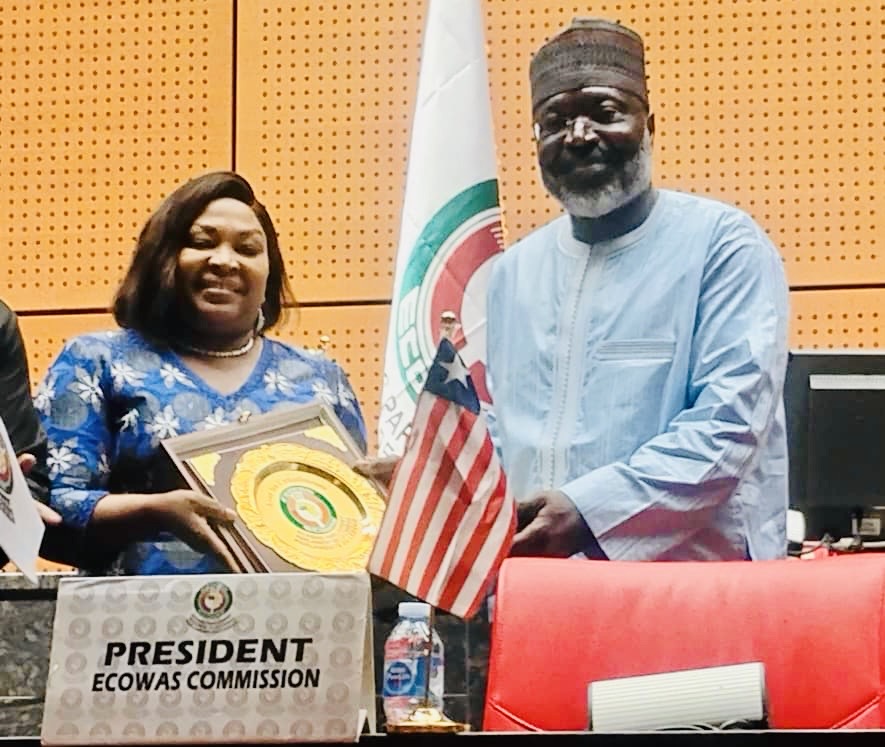
In an era increasingly defined by the rapid dissemination of information and the pervasive challenge of misinformation, the Economic Community of West African States (ECOWAS) has taken a proactive and significant step to bolster media professionalism and integrity across its member states. Dr. Omar Touray, the esteemed President of the ECOWAS Commission, recently unveiled a remarkable achievement: the successful training of no fewer than 500 regional journalists in recent years. This ambitious initiative is not merely a statistical footnote; it represents a profound strategic investment in the future of West African democracy, stability, and regional integration, aiming to reinvigorate information management and empower a more discerning public.
Touray’s announcement, delivered during his routine Community Work Programme, underscores a deep understanding within ECOWAS of the pivotal role a well-trained, ethical, and resilient media plays in contemporary society. In a region often grappling with complex political transitions, security challenges, and socio-economic disparities, the ability to communicate accurate, timely, and unbiased information is paramount. This training program, therefore, stands as a cornerstone of ECOWAS's broader efforts to foster good governance, promote peace, and accelerate sustainable development across its 15 member nations.
The Strategic Imperative: Why Media Training Matters
The decision by ECOWAS to prioritize extensive media training is rooted in several critical factors. Firstly, the digital revolution has transformed the media landscape, presenting both unprecedented opportunities and formidable challenges. While social media platforms and online news outlets allow for instant global reach, they also serve as fertile ground for fake news, propaganda, and divisive narratives. Equipping journalists with advanced skills in digital literacy, fact-checking, investigative reporting, and ethical storytelling is essential to counter these threats and maintain public trust.
Secondly, the political climate in West Africa has seen its share of turbulence, including coups, electoral disputes, and insurgencies. In such volatile environments, responsible journalism can act as a crucial stabilizing force, providing objective reporting that informs citizens, holds power accountable, and facilitates constructive dialogue. Conversely, sensationalism or biased reporting can exacerbate tensions and undermine democratic processes. ECOWAS recognizes that a professional media corps is indispensable for democratic consolidation and conflict prevention.
Furthermore, regional integration, a core mandate of ECOWAS, relies heavily on shared understanding and communication. Journalists play a vital role in educating the public about ECOWAS policies, programs, and their impact on daily lives, from economic protocols to security cooperation. By fostering a common understanding of regional goals and challenges, the media can help build a stronger sense of community and shared destiny among West African citizens. The training, therefore, likely included modules on regional protocols, international law, and the nuances of cross-border reporting, ensuring a holistic understanding of the regional context.
A Deep Dive into the Training Program's Scope
While the specific curriculum details were not fully disclosed in the initial announcement, the scale of training 500 journalists suggests a comprehensive and multi-faceted approach. Such programs typically encompass a wide array of topics designed to enhance both technical skills and ethical grounding. Key areas likely covered include:
* Investigative Journalism: Techniques for uncovering corruption, human rights abuses, and other societal ills, emphasizing evidence-based reporting. * Digital Security and Online Verification: Protecting sources, personal data, and identifying manipulated content or disinformation campaigns. * Conflict-Sensitive Reporting: Strategies for reporting on conflicts without exacerbating tensions, focusing on peace-building narratives and diverse perspectives. * Data Journalism: Utilizing data to tell compelling stories, analyze trends, and present complex information accessibly. * Media Ethics and Professionalism: Upholding journalistic principles such as accuracy, fairness, independence, and accountability. * Specialized Reporting: Focus areas like environmental journalism, health reporting, economic development, and gender issues, tailored to regional priorities.
The training is likely delivered through a combination of workshops, seminars, and potentially online modules, leveraging the expertise of seasoned journalists, academics, and international media development organizations. The sheer number of participants indicates a significant logistical undertaking, reflecting ECOWAS's commitment to broad-based capacity building rather than isolated interventions.
Historical Context and Future Implications
The ECOWAS initiative is not an isolated event but rather builds upon a rich history of efforts to strengthen media in West Africa. Various international organizations, NGOs, and national bodies have long supported media development in the region, recognizing its critical role. However, the direct involvement and significant investment by ECOWAS itself signal a new level of institutional commitment. This internal ownership is crucial for sustainability and for aligning media development with regional policy objectives.
Looking ahead, the implications of this training program are profound. A more skilled and ethical media corps can lead to:
* Improved Public Discourse: Better-informed citizens capable of making sound decisions and participating meaningfully in democratic processes. * Enhanced Accountability: A stronger watchdog function, holding governments and other powerful actors to account, thereby reducing corruption and promoting good governance. * Greater Regional Cohesion: Media acting as a bridge between diverse communities, fostering understanding and solidarity across borders. * Resilience Against Disinformation: A more robust defense against the spread of harmful narratives, particularly during elections or crises.
This initiative also positions ECOWAS as a leader in promoting media freedom and responsibility within its sphere of influence. By investing in journalists, ECOWAS is investing in the very fabric of its member societies, recognizing that a free and fair press is not a luxury but a fundamental pillar of development and stability.
Conclusion: A Beacon of Progress in West Africa
Dr. Omar Touray's announcement of 500 trained journalists is more than just an update on a project; it is a powerful statement about the future direction of West Africa. It signifies a strategic recognition by ECOWAS that effective communication, underpinned by journalistic excellence, is indispensable for navigating the complexities of the 21st century. As the region continues its journey towards greater integration, peace, and prosperity, the role of a well-equipped and ethically grounded media will only grow in importance.
This investment in human capital within the media sector is a testament to ECOWAS's commitment to fostering a vibrant, informed, and resilient West Africa. It is a beacon of progress, demonstrating that even amidst myriad challenges, the pursuit of truth and the empowerment of those who seek to tell it remain paramount. The impact of these 500 journalists, now better prepared to serve their communities and the wider region, will undoubtedly resonate for years to come, shaping public opinion, influencing policy, and ultimately contributing to a more stable and prosperous West Africa.
Stay Informed
Get the world's most important stories delivered to your inbox.
No spam, unsubscribe anytime.
Comments
No comments yet. Be the first to share your thoughts!