ECOWAS Court Reinforces Justice in Guinea: A Landmark Mission for Regional Stability
The ECOWAS Community Court of Justice recently concluded a pivotal sensitization mission and external court session in Conakry, Guinea, from May 13-18. This initiative aimed to demystify the court's functions, enhance public access to justice, and strengthen the rule of law in a nation grappling with political transitions. The mission underscores ECOWAS's commitment to human rights and democratic governance across West Africa, fostering greater regional integration and stability.
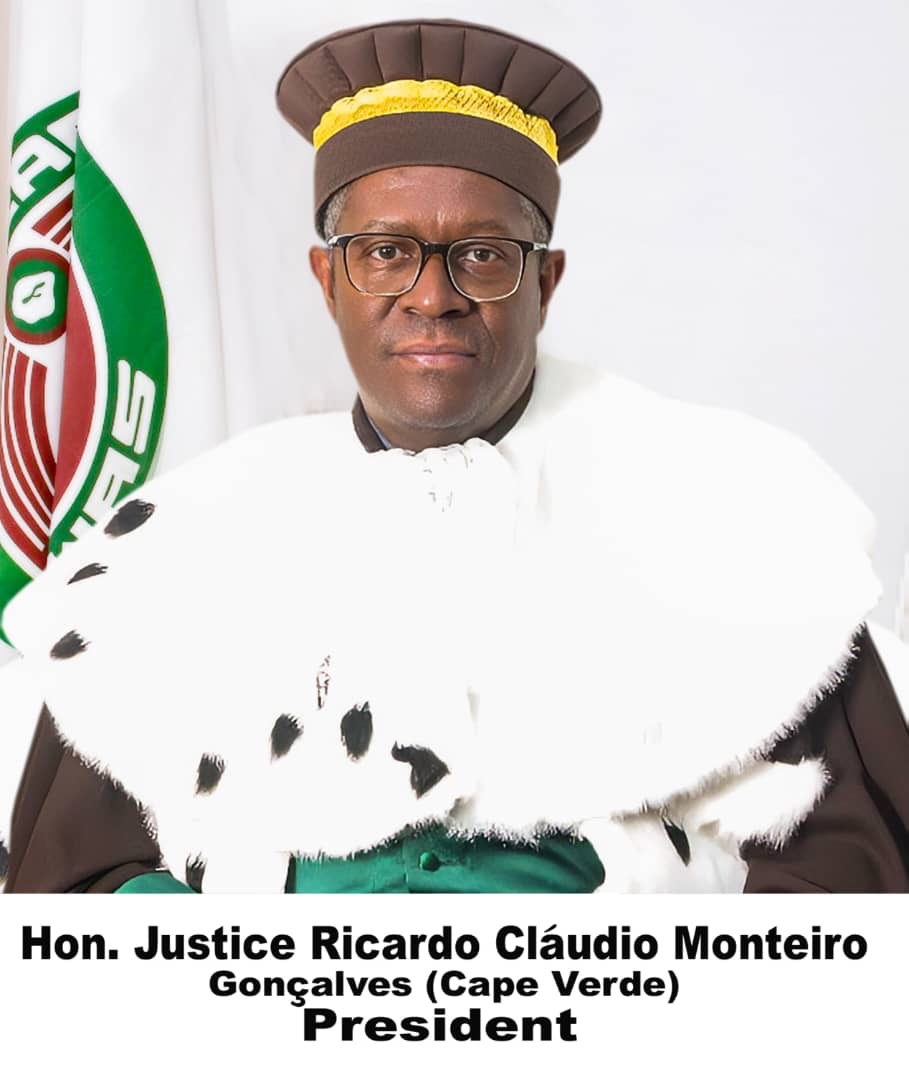
In a significant move to bolster the rule of law and deepen regional integration, the Community Court of Justice of the Economic Community of West African States (ECOWAS) recently concluded a high-profile sensitization mission and external court session in Conakry, Guinea. From May 13 to May 18, 2024, the judicial body engaged with Guinean citizens, legal professionals, and government officials, aiming to demystify its operations and enhance access to justice for the populace.
This initiative comes at a critical juncture for Guinea, a nation that has experienced periods of political instability and is currently navigating a transitional phase. The presence of the ECOWAS Court on Guinean soil signals a strong commitment from the regional bloc to support democratic principles, human rights, and good governance within its member states, particularly those facing unique challenges.
Demystifying Justice: The Sensitization Mission's Core Objectives
The primary goal of the sensitization mission was to educate the Guinean public and legal community about the mandate, jurisdiction, and procedural mechanisms of the ECOWAS Court of Justice. Often, regional courts, despite their vital role, remain abstract entities to the average citizen. This mission sought to bridge that gap, making justice more tangible and accessible.
Key aspects covered during the sessions included: * Understanding the Court's Jurisdiction: Explaining that the Court primarily hears cases related to human rights violations and interpretations of ECOWAS treaties, rather than domestic criminal or civil matters. * Access to Justice: Informing individuals and organizations on how to file complaints, the requirements for standing, and the process for seeking redress. * Enforcement of Judgments: Clarifying the mechanisms through which the Court's judgments are enforced within member states, a crucial aspect for the effectiveness of any judicial body. * Role in Regional Integration: Highlighting how the Court's rulings contribute to harmonizing laws and policies across ECOWAS nations, thereby fostering economic and social integration.
By engaging directly with stakeholders, including civil society organizations, bar associations, and university students, the Court aimed to build trust and empower citizens to utilize regional legal avenues when their rights are infringed upon. This direct engagement is particularly vital in countries where domestic judicial systems may be perceived as compromised or slow.
External Court Sessions: Justice in Action
Beyond educational outreach, the mission included holding external court sessions. This practical demonstration of justice in action allowed the Court to hear and rule on actual cases while physically present in Guinea. Such sessions are rare and carry immense symbolic and practical weight.
Historically, the ECOWAS Court typically convenes in Abuja, Nigeria, its permanent seat. Holding sessions in a member state like Guinea serves several critical purposes: * Increased Visibility and Legitimacy: It brings the Court closer to the people it serves, enhancing its visibility and reinforcing its legitimacy as a regional arbiter of justice. * Reduced Barriers to Access: For litigants and witnesses from Guinea, it significantly reduces the logistical and financial burdens associated with traveling to Abuja, making participation more feasible. * Direct Observation of Local Context: It allows the judges to gain a more nuanced understanding of the local socio-political and legal context, which can be invaluable in rendering informed judgments. * Capacity Building: It provides an opportunity for local legal professionals to observe regional judicial processes firsthand, contributing to their professional development and understanding of international law.
While specific case details from these sessions were not immediately made public, the very act of conducting them in Conakry underscores the Court's proactive approach to ensuring justice is not only dispensed but also seen to be dispensed equitably across the region. This initiative echoes similar efforts by other regional human rights courts, such as the Inter-American Court of Human Rights, which also holds itinerant sessions to enhance accessibility.
Guinea's Context: A Nation in Transition
Guinea's political landscape has been marked by a series of coups and transitions. The most recent military takeover in September 2021 led to the suspension of its ECOWAS membership, which was later partially lifted as the country committed to a return to constitutional rule. In such environments, the protection of human rights often becomes precarious.
ECOWAS, as a regional body, has consistently emphasized the importance of constitutional order, democratic governance, and human rights as foundational pillars for stability and development. The Court's mission to Guinea can be seen as a direct extension of these principles, offering a crucial safeguard for citizens during a period of reform and uncertainty. It provides an avenue for recourse when domestic mechanisms might be strained or perceived as inadequate.
The mission also serves as a subtle, yet firm, reminder to the transitional authorities in Guinea of their obligations under ECOWAS treaties and international human rights law. By empowering citizens with knowledge of their rights and the means to enforce them, the Court indirectly contributes to fostering a more accountable governance framework.
Implications for Regional Stability and the Future of ECOWAS Justice
This initiative by the ECOWAS Court of Justice has far-reaching implications, not just for Guinea, but for the entire West African region. It reinforces the idea that regional institutions are not just political or economic bodies, but also vital guardians of justice and human rights.
* Strengthening Regional Rule of Law: By actively engaging with member states, especially those in transition, the Court reinforces the principle that no nation is above regional legal frameworks. * Enhancing Citizen Trust: Making the Court more accessible and understandable can significantly increase public trust in regional institutions, which is crucial for the long-term success of integration efforts. * Precedent for Future Engagements: This successful mission could serve as a blueprint for similar engagements in other ECOWAS member states facing human rights challenges or political transitions, such as Mali or Burkina Faso. * Promoting Human Rights Culture: The educational aspect of the mission helps to cultivate a stronger human rights culture at the grassroots level, empowering individuals to demand accountability.
Looking ahead, the ECOWAS Court's proactive approach is a testament to its evolving role in West Africa. As the region continues to grapple with complex issues ranging from political instability to security challenges, the Court's ability to provide an impartial and accessible forum for justice will be increasingly critical. This mission to Guinea is not merely a series of events; it is a strategic investment in the future of regional stability, democratic resilience, and the fundamental rights of West African citizens. It underscores the profound belief that justice, when brought closer to the people, becomes a more powerful force for positive change.
Stay Informed
Get the world's most important stories delivered to your inbox.
No spam, unsubscribe anytime.
Comments
No comments yet. Be the first to share your thoughts!