Escalating Tensions: Unidentified Aircraft Strike South Korean Cargo Vessel in Hormuz
A South Korean cargo vessel, the HMM Namu, was reportedly struck by 'unidentified aircraft' in the Strait of Hormuz on May 4, according to Seoul's foreign ministry. This incident, occurring in one of the world's most critical maritime chokepoints, raises significant concerns about regional stability and the safety of international shipping. Investigations are underway to determine the perpetrators and their motives, amidst a backdrop of heightened geopolitical friction in the Middle East.
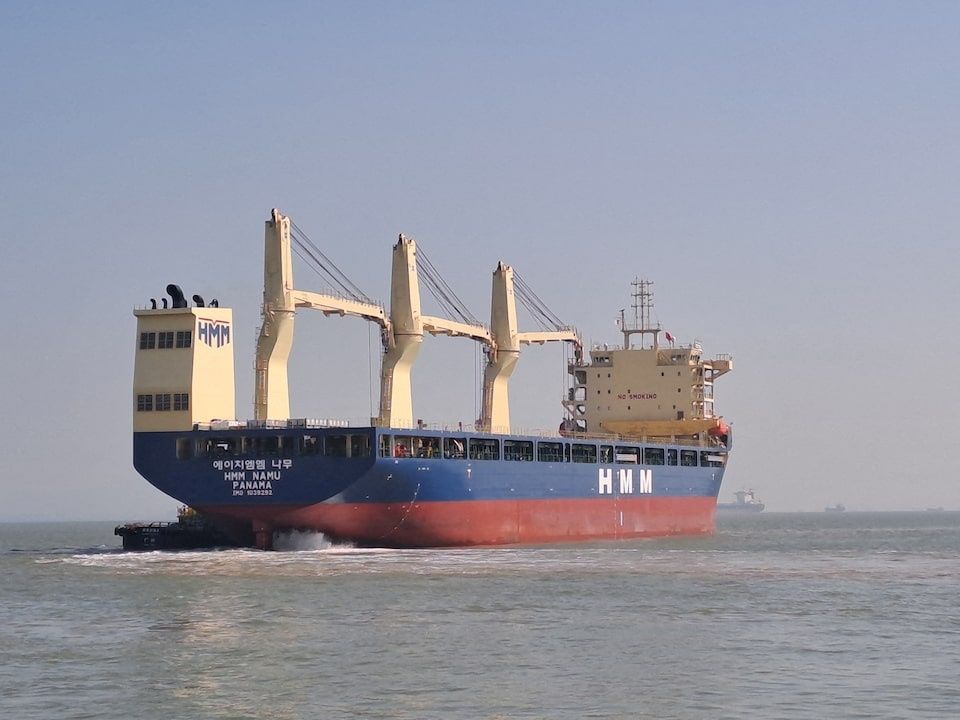
In a development that has sent ripples across international shipping lanes and diplomatic circles, South Korea's foreign ministry confirmed on Sunday that an 'unidentified aircraft' struck one of its cargo vessels, the HMM Namu, in the Strait of Hormuz on May 4. The incident, which saw the fire-damaged vessel eventually arrive at port in Dubai, underscores the volatile nature of a region already grappling with complex geopolitical tensions and frequent maritime incidents. This latest event adds another layer of uncertainty to the security of global trade routes and highlights the persistent threat posed by various actors in the Persian Gulf.
The Strait of Hormuz, a narrow waterway connecting the Persian Gulf to the open ocean, is a strategic chokepoint through which roughly a fifth of the world's oil supply passes. Any disruption here has immediate and far-reaching consequences for global energy markets and international commerce. The reported strike on the HMM Namu, while details remain scarce, immediately brings to mind a history of similar attacks and seizures in the region, often attributed to state or non-state actors vying for influence or retaliating against perceived aggressions. The ambiguity surrounding the identity of the aircraft only deepens the mystery and fuels speculation about the potential implications for regional stability.
A History of Maritime Incidents in a Volatile Region
The Strait of Hormuz has long been a flashpoint for international tensions. Its strategic importance makes it a prime target during periods of heightened geopolitical friction. Over the past decade, the region has witnessed numerous incidents involving commercial shipping, ranging from mine attacks and drone strikes to vessel seizures. For instance, in 2019, a series of attacks on oil tankers in the Gulf of Oman and near the Strait of Hormuz led to a significant spike in insurance premiums for vessels traversing the area. These incidents were largely blamed on Iran by the United States and its allies, though Tehran consistently denied involvement. Similarly, the seizure of various tankers by Iranian forces, often cited as retaliation for sanctions or other grievances, has become a recurring theme, demonstrating the intricate web of power dynamics at play.
The current incident involving the HMM Namu, a vessel operated by South Korea's largest shipping company, HMM, adds a new dimension to these concerns. While previous attacks often targeted oil tankers, a cargo vessel carrying general goods suggests a broader potential for disruption to international supply chains. The modus operandi of using 'unidentified aircraft' further complicates attribution, making it difficult to pinpoint responsibility and formulate a proportionate response. This lack of clarity can be exploited by actors seeking to sow discord or test the resolve of international maritime forces.
The Geopolitical Chessboard: Who Benefits from Instability?
Identifying the perpetrator behind the strike on the HMM Namu is paramount, but also incredibly challenging. Several actors operate in the region with varying capabilities and motives. Iran, with its Revolutionary Guard Corps (IRGC) naval forces, has a history of asserting its presence in the Strait and has been implicated in past attacks. However, the term 'unidentified aircraft' could also point to proxy groups, or even a deliberate attempt to obscure the true origin of the attack. The ongoing shadow war between Iran and its regional adversaries, particularly Israel and Saudi Arabia, often plays out in maritime domains, with each side accusing the other of destabilizing activities.
Furthermore, the presence of major global powers, including the United States with its Fifth Fleet based in Bahrain, adds another layer of complexity. While their primary role is to ensure freedom of navigation, their presence can also be perceived as provocative by some regional states. The incident could be a message, a test of international response, or a miscalculation. The economic stakes are immense; any sustained disruption to shipping in Hormuz would lead to skyrocketing oil prices and significant delays in global trade, impacting industries worldwide, from manufacturing to consumer goods. South Korea, a major trading nation and energy importer, has a vested interest in the stability of these routes, making this incident particularly sensitive for Seoul.
International Response and Future Implications
South Korea's foreign ministry has stated it is investigating the incident and working to ensure the safety of its vessels and crew. This typically involves diplomatic engagements, intelligence gathering, and potentially enhanced security measures for its maritime fleet. The international community, including major maritime powers and organizations like the International Maritime Organization (IMO), will be closely monitoring the situation. Calls for de-escalation and adherence to international maritime law are expected to follow, though concrete actions often depend on clear attribution.
In the short term, shipping companies may face increased insurance costs and might consider rerouting vessels, though alternatives to the Strait of Hormuz are limited and often less economically viable. For the longer term, this incident reinforces the urgent need for a more robust and coordinated international strategy to safeguard maritime security in critical chokepoints. This could involve enhanced surveillance, joint naval patrols, and more effective diplomatic channels to de-escalate tensions and prevent future attacks. The HMM Namu incident serves as a stark reminder that the global economy remains highly vulnerable to regional conflicts and the actions of unidentified actors in strategically vital areas. The stability of global supply chains hinges on the ability of nations to collectively address these persistent threats and ensure the unimpeded flow of international commerce through arteries like the Strait of Hormuz.
Stay Informed
Get the world's most important stories delivered to your inbox.
No spam, unsubscribe anytime.
Comments
No comments yet. Be the first to share your thoughts!