Fragile Hope: US-Iran Peace Talks Amidst Escalating Conflict
Amidst the ongoing US-Iran conflict, marked by reciprocal strikes and regional instability, Vice President JD Vance's recent remarks offer a glimmer of hope. Despite deep-seated mistrust, Vance noted Iranian negotiators' desire for a deal, suggesting a potential, albeit challenging, path toward de-escalation. This article explores the complex dynamics of the conflict, the historical context, and the strategic implications of these nascent peace efforts.
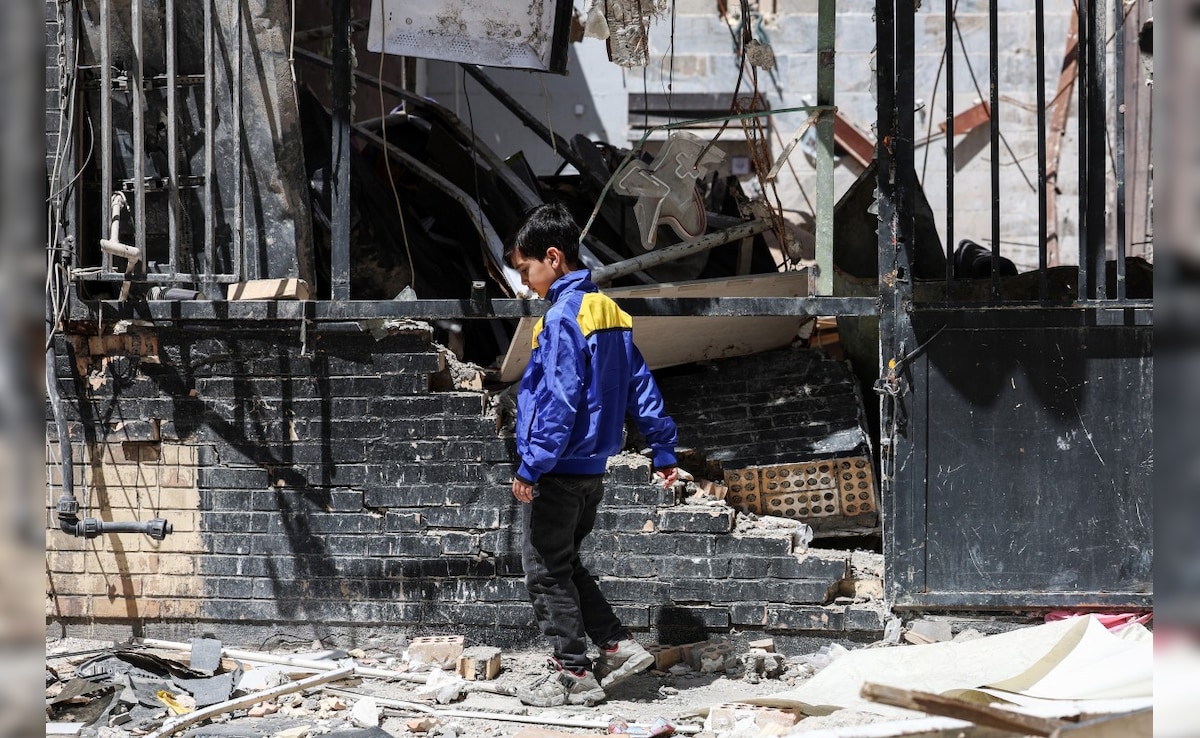
The Middle East, a region perpetually on the brink, has once again been plunged into a devastating conflict, with the United States and Iran locked in a dangerous dance of aggression and retaliation. What began on February 28 with reported US and Israeli attacks on Iran quickly escalated into a full-blown crisis, as Tehran responded with its own strikes against Israel and Gulf states hosting American military bases. Yet, amidst the smoke and fury of war, a faint whisper of diplomacy has emerged, offering a fragile, perhaps fleeting, hope for peace. US Vice President JD Vance recently acknowledged the profound mistrust between Washington and Tehran, a chasm not easily bridged. However, his observation that Iranian negotiators are genuinely seeking a deal, and his personal feeling of optimism, hint at a potential, albeit arduous, pathway towards de-escalation. This complex scenario demands a deeper examination of the conflict's roots, its current trajectory, and the monumental challenges and opportunities that lie ahead for regional stability and global security.
The Genesis of Conflict: A Deep-Seated Antagonism
To understand the current conflagration, one must delve into the decades-long animosity between the United States and Iran. The 1979 Iranian Revolution fundamentally altered the geopolitical landscape, transforming a key US ally into an ideological adversary. Subsequent events, including the Iran hostage crisis, US support for Iraq during the Iran-Iraq War, and Iran's pursuit of nuclear capabilities, further cemented this adversarial relationship. The US withdrawal from the Joint Comprehensive Plan of Action (JCPOA) in 2018 under the previous administration, followed by the re-imposition of crippling sanctions, exacerbated tensions, pushing the two nations to the precipice. Iran's regional proxy networks, its ballistic missile program, and its influence in countries like Iraq, Syria, Lebanon, and Yemen are viewed by Washington as destabilizing forces, while Tehran perceives US military presence and its alliances in the Gulf as an existential threat. This intricate web of historical grievances, strategic competition, and ideological clashes forms the bedrock of the current crisis, making any diplomatic breakthrough exceptionally challenging.
The Escalation Cycle: A Dangerous Tit-for-Tat
Since February 28, the conflict has followed a predictable, yet terrifying, pattern of escalation. The initial US and Israeli strikes, reportedly targeting Iranian nuclear facilities or military infrastructure, were met with swift and decisive retaliation from Iran. These retaliatory strikes, aimed at Israeli targets and US bases in the Gulf, demonstrated Iran's capability and willingness to project power beyond its borders. The immediate aftermath saw a flurry of diplomatic condemnations and calls for restraint from international bodies, yet the cycle of violence continued. Each strike and counter-strike risks miscalculation, potentially dragging regional and global powers into a wider conflict. The presence of US forces in the Gulf, coupled with the intricate network of alliances and rivalries in the Middle East, creates a highly volatile environment. Analysts suggest that both sides are attempting to project strength and deter further aggression, but the thin line between deterrence and all-out war is becoming increasingly blurred. The economic impact is already being felt globally, with oil prices fluctuating and shipping routes in the Strait of Hormuz facing increased scrutiny and risk.
A Glimmer of Diplomacy: Vance's Optimism and Its Implications
Amidst this grim backdrop, Vice President JD Vance's remarks offer a rare, albeit cautious, ray of hope. His statement that Iranian negotiators are keen on making a deal, despite the deep-seated mistrust, suggests that channels of communication, however strained, remain open. This is a crucial development, as direct dialogue is often the first step towards de-escalation. Vance's optimism, while perhaps tempered by the realities of complex geopolitics, indicates a potential shift in the diplomatic landscape. It could signify a recognition from both sides that continued conflict is unsustainable and mutually destructive. However, the path to a deal is fraught with obstacles. Key issues such as Iran's nuclear program, its regional activities, and the lifting of US sanctions remain contentious. Any agreement would likely require significant concessions from both parties, demanding immense political will and a willingness to compromise on deeply held positions. The involvement of international mediators, potentially European powers or the UN, could be instrumental in bridging the divide and facilitating constructive negotiations. The success of these talks, if they materialize into substantive discussions, would not only avert a wider war but also lay the groundwork for a more stable, albeit still complex, regional order.
The Road Ahead: Challenges and Opportunities for Peace
The prospect of peace talks, however nascent, presents both immense challenges and significant opportunities. The primary challenge remains the profound lack of trust and the fundamental disagreements over regional security architectures. For Iran, the lifting of sanctions and recognition of its regional influence are paramount. For the US, curbing Iran's nuclear ambitions and its support for proxy groups is non-negotiable. Reconciling these divergent interests will require creative diplomacy and a long-term commitment from both sides. Moreover, domestic political pressures in both countries could easily derail any progress. In the US, a bipartisan consensus on Iran policy is elusive, while in Iran, hardliners may view concessions as weakness. The opportunity, however, is immense. A successful de-escalation could prevent a devastating regional war, stabilize global energy markets, and potentially pave the way for broader regional dialogue. It could also free up resources currently allocated to military spending for economic development and humanitarian aid. The international community has a vital role to play, urging restraint, facilitating dialogue, and offering frameworks for a durable peace. The world watches with bated breath, hoping that the faint glimmer of diplomacy can overcome the shadows of conflict and lead to a more peaceful resolution in this volatile corner of the globe. The stakes could not be higher, not just for the Middle East, but for the entire international order.
Stay Informed
Get the world's most important stories delivered to your inbox.
No spam, unsubscribe anytime.
Comments
No comments yet. Be the first to share your thoughts!