Global Catastrophe Looming: One-Third of Humanity Faces Five-Fold Increase in Compound Heatwaves and Droughts by 2100
A new study reveals a dire future where nearly one-third of the global population could experience severe compound heatwave and drought events five times more frequently by the end of the century. This alarming projection, published in Geophysical Research Letters, highlights a critical intersection of climate change impacts, with tropical and lower-income nations bearing the brunt of this escalating crisis. The research underscores the urgent need for robust adaptation strategies and substantial emissions reductions to avert widespread humanitarian and ecological devastation.
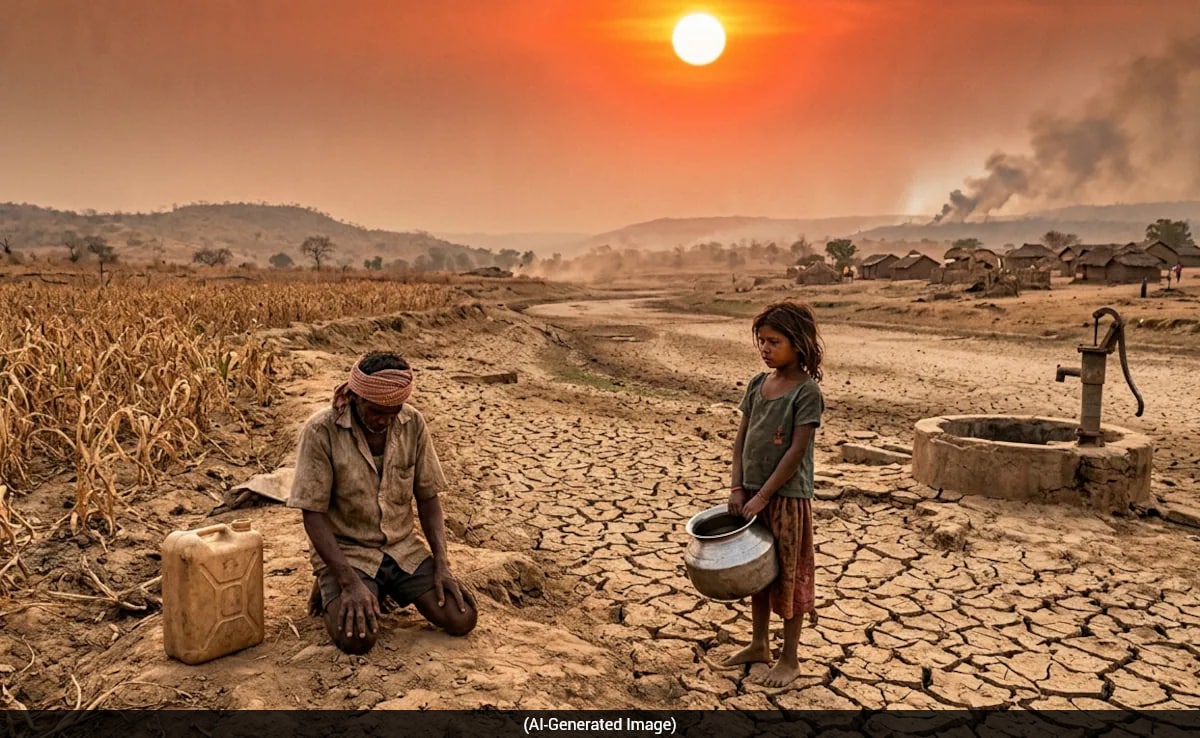
The specter of a rapidly changing climate has long cast a shadow over our collective future, but new research paints an even more alarming picture: nearly one-third of the global population could face a five-fold increase in the frequency of devastating compound heatwave and drought events by the year 2100. This isn't merely a statistical anomaly; it represents a profound threat to human well-being, food security, and global stability, particularly for the most vulnerable regions on Earth. The study, published in the esteemed journal Geophysical Research Letters, serves as a stark warning, urging immediate and concerted action.
For decades, scientists have cautioned about the escalating risks of individual extreme weather events. We've witnessed record-breaking heatwaves scorching continents, and prolonged droughts turning fertile lands into dustbowls. However, the true peril often lies in the compound events – the simultaneous or sequential occurrence of multiple hazards that amplify their destructive power. Imagine a region already parched by drought suddenly engulfed by an intense heatwave; the synergistic effect is far more catastrophic than either event alone. This new research meticulously models such scenarios, predicting a future where these double-edged climate swords become frighteningly common.
The Unprecedented Threat of Compound Events
The concept of compound events is central to understanding the study's gravity. When heatwaves and droughts coincide, their impacts are not additive but multiplicative. High temperatures exacerbate water scarcity by increasing evaporation from reservoirs, rivers, and soil, drying out vegetation, and intensifying agricultural stress. Conversely, a lack of soil moisture due to drought can lead to even higher air temperatures, as less energy is used for evapotranspiration and more for heating the atmosphere. This creates a dangerous feedback loop, pushing ecosystems and human systems beyond their breaking points. The study's projections indicate that for a significant portion of the world, these events will not just be more intense, but dramatically more frequent – up to five times more often than current levels.
Historically, such extreme compound events have been rare, often localized, and typically less severe. However, the anthropogenic alteration of the global climate system has fundamentally shifted the baseline. The Intergovernmental Panel on Climate Change (IPCC) has consistently highlighted the increasing frequency and intensity of extreme weather, but this new research specifically zeroes in on the compounding nature of these threats. It uses sophisticated climate models and historical data to project future scenarios under various emissions pathways, consistently arriving at a grim outlook without significant intervention.
Disproportionate Impact: The Vulnerable on the Frontlines
Perhaps the most distressing finding of the study is the stark inequality in projected impacts. The research unequivocally states that tropical and lower-income countries will bear the brunt of this escalating crisis. These regions, often least responsible for historical greenhouse gas emissions, are precisely those with the fewest resources to adapt to such profound environmental shifts. Consider:
* Food Security: Many tropical nations rely heavily on rain-fed agriculture. Extended droughts combined with extreme heat will decimate crop yields, leading to widespread food shortages, price spikes, and potential famine. * Water Scarcity: Already stressed water resources in many developing countries will be pushed to breaking point, affecting drinking water, sanitation, and industrial uses. * Human Health: Vulnerable populations, especially the elderly, children, and outdoor laborers, will face increased risks of heatstroke, dehydration, and vector-borne diseases exacerbated by changing climate patterns. * Economic Instability: Agricultural losses, infrastructure damage, and health crises will cripple economies, potentially triggering mass displacement and migration, further destabilizing regions. * Ecosystem Collapse: Biodiversity hotspots in tropical zones are particularly susceptible. The combined stress of heat and drought can lead to widespread forest fires, coral bleaching, and species extinction, disrupting vital ecosystem services.
This geographical disparity underscores a critical issue of climate justice. The nations that have contributed the least to the problem are poised to suffer the most severe consequences, exacerbating existing inequalities and potentially creating new geopolitical tensions.
The Urgency of Adaptation and Mitigation
Given the dire projections, the study implicitly calls for a two-pronged approach: aggressive mitigation and robust adaptation. Mitigation, primarily through drastic reductions in greenhouse gas emissions, remains the ultimate long-term solution. The sooner humanity transitions to renewable energy sources, improves energy efficiency, and adopts sustainable land-use practices, the greater the chance of limiting global warming to manageable levels and thus reducing the frequency and intensity of these extreme events.
However, even with aggressive mitigation, some degree of climate change is already locked in. Therefore, adaptation strategies are equally crucial, especially for the most vulnerable regions. These include:
* Water Management: Implementing efficient irrigation techniques, developing drought-resistant crops, investing in desalination plants, and improving water storage infrastructure. * Early Warning Systems: Enhancing meteorological forecasting and communication networks to provide timely warnings for heatwaves and droughts, allowing communities to prepare. * Resilient Infrastructure: Designing buildings and urban spaces to better withstand extreme heat, and protecting critical infrastructure from climate impacts. * Ecosystem-Based Adaptation: Restoring forests, wetlands, and coastal ecosystems to provide natural buffers against climate extremes. * Social Safety Nets: Establishing robust social protection programs to support communities affected by climate-induced disasters, including food aid and healthcare access.
International cooperation and financial support from developed nations to lower-income countries will be paramount in implementing these adaptation measures effectively.
A Call to Action: Shaping a More Resilient Future
The findings of this study are not merely academic; they are a profound call to action for policymakers, industries, and individuals worldwide. The notion that nearly a third of the global population could face such heightened risks by the end of the century should galvanize an unprecedented level of commitment to climate action. It's a reminder that the decisions we make today, particularly regarding our energy consumption and environmental stewardship, will directly determine the habitability of our planet for future generations.
While the challenge is immense, it is not insurmountable. The scientific community has provided clear warnings and pathways forward. What is required now is political will, collective responsibility, and a global commitment to a sustainable and equitable future. Ignoring these warnings would be to condemn billions to a future defined by relentless heatwaves and crippling droughts, a future we still have the power to mitigate and adapt to, if we act decisively and without delay. The time for incremental change has passed; a transformative shift is urgently needed to avert a looming global catastrophe.
Stay Informed
Get the world's most important stories delivered to your inbox.
No spam, unsubscribe anytime.
Comments
No comments yet. Be the first to share your thoughts!