Hantavirus Scare: Australia Repatriates Citizens from Cruise Amid Global Health Concerns
Australian authorities are orchestrating the repatriation of five individuals from a cruise ship affected by a hantavirus outbreak, currently en route to the Canary Islands. This incident highlights the persistent threat of zoonotic diseases and the complexities of international health protocols. Experts are closely monitoring the situation, emphasizing the need for robust public health responses and passenger safety measures on global voyages.
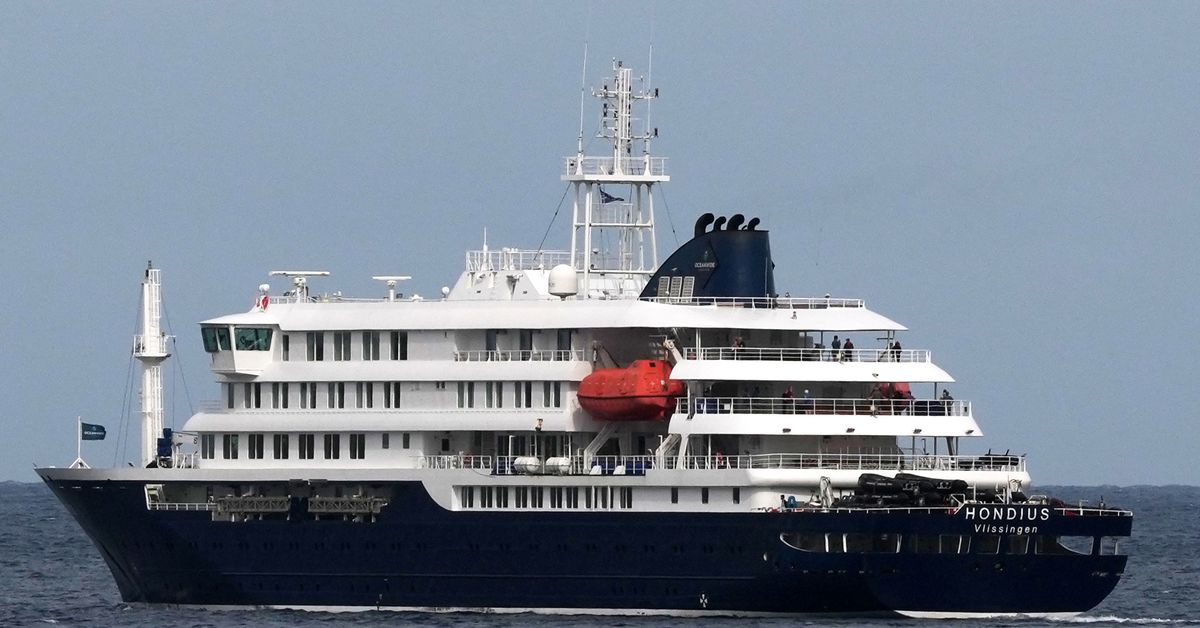
In a stark reminder of the persistent global health challenges, Australian authorities are currently engaged in a complex operation to repatriate four citizens and one permanent resident from a cruise ship grappling with a suspected hantavirus outbreak. The Dutch-flagged vessel, whose name has not been publicly disclosed, is reportedly en route to the Spanish-controlled Canary Islands, transforming a leisure voyage into a medical emergency and a logistical nightmare for international health agencies.
This incident, while seemingly isolated, casts a long shadow, echoing the anxieties of past pandemics and underscoring the vulnerabilities inherent in global travel. The presence of hantavirus, a potentially severe zoonotic disease, on a cruise ship raises critical questions about onboard health protocols, passenger screening, and the swiftness of international coordination during health crises.
The Unfolding Crisis: A Journey Interrupted
The details emerging from the cruise ship paint a picture of urgency and caution. The vessel, which departed from an undisclosed port, has been rerouted due to the suspected hantavirus cases. While the exact number of infected individuals onboard remains unclear from initial reports, the decision by Australian authorities to initiate repatriation underscores the seriousness of the situation. Hantavirus, transmitted primarily through contact with infected rodent droppings, urine, or saliva, can cause severe respiratory and renal syndromes in humans, with fatality rates varying but often significant. The closed environment of a cruise ship, while not a natural habitat for rodents, presents unique challenges for containment and rapid medical response should an outbreak occur.
Repatriation efforts involve intricate planning, including medical assessments, secure transport, and quarantine measures upon arrival. For the Australian contingent, this means careful coordination between the Department of Foreign Affairs and Trade (DFAT), health officials, and potentially international partners to ensure safe passage and prevent further transmission. The psychological toll on passengers and crew, whose holiday has turned into a health ordeal, is also a significant concern, requiring robust support systems.
Hantavirus: A Silent Threat with Global Reach
Hantaviruses are a group of RNA viruses primarily hosted by rodents. While they do not typically cause disease in their natural hosts, they can be highly pathogenic to humans. The most well-known forms of hantavirus disease include Hantavirus Pulmonary Syndrome (HPS) in the Americas and Hemorrhagic Fever with Renal Syndrome (HFRS), more common in Europe and Asia. Both can be life-threatening.
* Transmission: Humans contract hantavirus primarily by inhaling aerosolized virus particles from rodent excretions. Less commonly, it can spread through direct contact with infected rodents or their bites. It is important to note that person-to-person transmission is extremely rare, alleviating some concerns about widespread contagion from the cruise ship passengers. * Symptoms: Symptoms vary depending on the strain but often begin with flu-like illness (fever, muscle aches, fatigue), progressing to severe respiratory distress (HPS) or kidney failure (HFRS). The incubation period can range from a few days to several weeks, making early detection challenging, especially in a transient population like cruise ship passengers. * Global Distribution: Hantaviruses are found worldwide, with specific strains endemic to different regions and associated with particular rodent species. For instance, the Sin Nombre virus, responsible for HPS, is prevalent in North America, while the Puumala virus, causing a milder form of HFRS, is found in Northern Europe.
The presence of hantavirus on a vessel that traverses international waters highlights the ubiquitous nature of such pathogens and the constant need for vigilance. The source of the infection on the cruise ship remains a critical investigative point – was it contracted by individuals prior to boarding, or was there an improbable, localized exposure onboard?
Cruise Ships and Public Health: A Complex Equation
Cruise ships, often described as floating cities, present unique epidemiological challenges. Their confined environments, shared facilities, and rapid turnover of international passengers create ideal conditions for the rapid spread of infectious diseases. Historically, cruise ships have been associated with outbreaks of norovirus, influenza, and more recently, COVID-19.
This hantavirus incident, while different in its mode of transmission, underscores several key issues:
* Pre-boarding Screening: The effectiveness of health screenings prior to embarkation for detecting early-stage infections or recent exposures to zoonotic diseases. * Onboard Medical Facilities: The capacity of shipboard medical teams to diagnose rare or complex infections and provide advanced care. * International Health Regulations (IHR): The efficacy of existing IHR frameworks in facilitating rapid information sharing, coordinated responses, and safe disembarkation/repatriation across multiple jurisdictions. * Rodent Control: While unlikely to be the primary source on a well-maintained modern cruise ship, the incident might prompt a review of pest control measures and environmental hygiene protocols even for less common vectors.
The cruise industry has invested heavily in health and safety protocols following the COVID-19 pandemic. However, the hantavirus scare demonstrates that the spectrum of potential health threats is broad, requiring continuous adaptation and preparedness for emergent and re-emergent pathogens.
Expert Perspectives and Future Implications
Public health experts are closely monitoring the situation. Dr. Anya Sharma, an epidemiologist specializing in zoonotic diseases, commented, "While hantavirus is not typically associated with cruise ship environments, this incident serves as a crucial reminder that global travel can expose individuals to a diverse range of pathogens. The rapid and coordinated response from Australian authorities and international partners is paramount to containing any potential spread and ensuring the well-being of those affected." She further emphasized the importance of thorough epidemiological investigations to determine the source and trajectory of the infection.
For the cruise industry, this event will likely trigger further reviews of health and safety guidelines. It highlights the need for:
* Enhanced Surveillance: Systems to detect unusual illness patterns among passengers and crew. * Training: Medical staff training on a wider array of infectious diseases, including less common zoonoses. * Communication Protocols: Clear and transparent communication channels with passengers, crew, and international health authorities. * Contingency Planning: Robust plans for managing outbreaks of various types, including those requiring complex repatriation logistics.
From a broader public health perspective, the incident reinforces the concept of One Health, recognizing the interconnectedness of human, animal, and environmental health. Understanding the ecology of hantaviruses and other zoonotic pathogens is vital for preventing future spillover events, even in unexpected contexts like a cruise ship.
Looking Ahead: Navigating a World of Evolving Threats
The repatriation of the Australian citizens and resident is a critical step in managing this immediate crisis. Their safe return and subsequent medical care will be a priority, alongside comprehensive contact tracing and monitoring. Beyond this specific incident, the hantavirus scare on the high seas serves as a potent reminder that the world remains a complex tapestry of interconnected ecosystems and human activities, where pathogens can emerge in unforeseen circumstances.
As global travel continues to rebound, the onus is on governments, international organizations, and industries like cruising to maintain rigorous health surveillance, adapt to new threats, and foster seamless international cooperation. The lessons learned from this hantavirus incident will undoubtedly contribute to the ongoing evolution of global health security frameworks, ensuring that the allure of international travel is matched by an unwavering commitment to passenger and public safety. The journey towards a truly resilient global health system is continuous, demanding constant vigilance and proactive strategies to navigate the evolving landscape of infectious diseases.
Stay Informed
Get the world's most important stories delivered to your inbox.
No spam, unsubscribe anytime.
Comments
No comments yet. Be the first to share your thoughts!