Hantavirus Scare: French National Develops Symptoms During Repatriation from Arctic Cruise
A French national, repatriated from the MV Hondius cruise ship following a hantavirus outbreak scare, developed symptoms of the disease during their airlift to Paris. This incident has prompted French authorities to implement strict quarantine measures for five passengers, highlighting the growing concerns over infectious disease transmission in global travel. The event underscores the complex challenges of managing public health risks associated with exotic pathogens and international tourism.
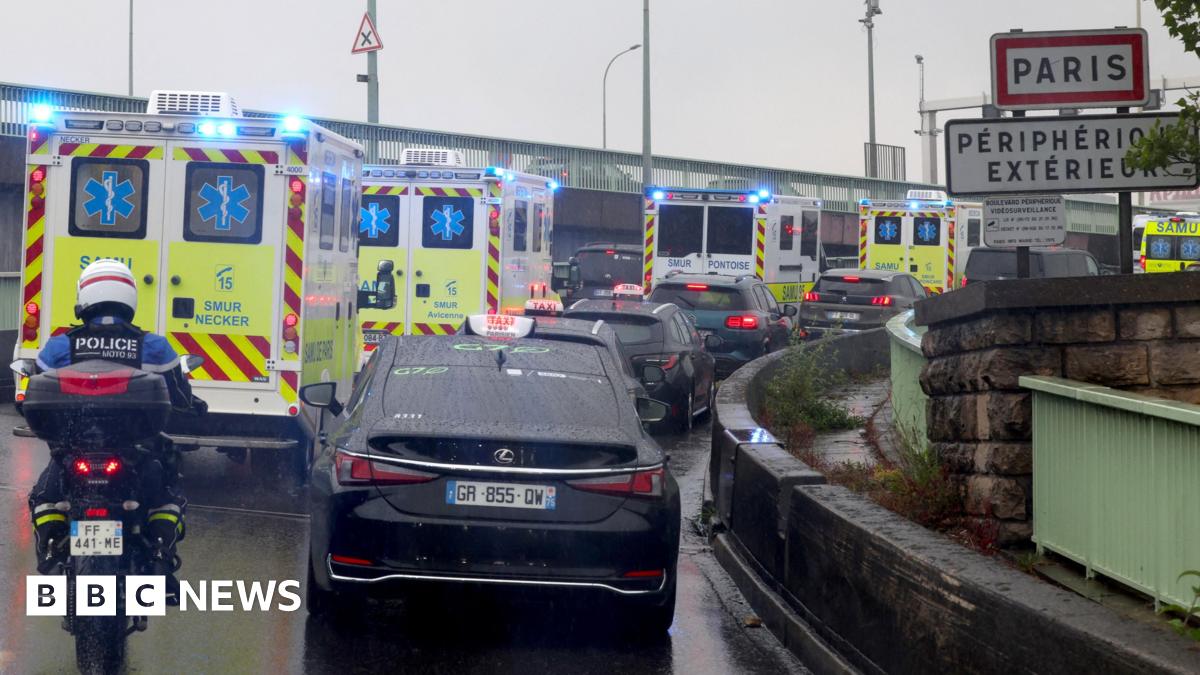
The serene, icy expanse of the Arctic, usually a symbol of pristine wilderness, has become the unlikely backdrop for a public health scare involving a rare and potentially deadly pathogen: hantavirus. A French national, among a group of passengers being repatriated from the MV Hondius cruise ship, which had been struck by an outbreak, developed symptoms of the disease mid-air, according to France's Prime Minister, Sebastian Lecornu. This alarming development has triggered immediate and stringent quarantine protocols in Paris, where five passengers from the vessel will be held "until further notice," underscoring the global interconnectedness of health crises.
The Unfolding Crisis Aboard the MV Hondius
The MV Hondius, a polar expedition cruise ship, had been navigating the remote waters of the Arctic when the first signs of trouble emerged. Reports of passengers falling ill with a mysterious respiratory ailment quickly escalated into a full-blown health alert. Subsequent investigations pointed to hantavirus, a group of viruses primarily transmitted by rodents, as the likely culprit. The news sent ripples of concern through international health organizations and the travel industry, particularly given the confined environment of a cruise ship, which can act as an incubator for viral transmission.
The incident aboard the Hondius is a stark reminder of the vulnerabilities inherent in modern global travel. While cruise lines often boast rigorous health and safety standards, the introduction of an exotic pathogen, especially one with a long incubation period and non-specific initial symptoms, poses a unique challenge. The decision to repatriate symptomatic and exposed individuals required meticulous planning and execution, involving specialized medical teams and isolation protocols to prevent further spread during transit. The fact that a passenger developed symptoms during this controlled environment highlights the insidious nature of the virus and the difficulties in containing it.
Hantavirus: A Silent Threat
Hantaviruses are a family of RNA viruses carried by rodents, such as mice and rats. Humans typically become infected by inhaling airborne particles contaminated with rodent urine, droppings, or saliva. Unlike many common viruses, hantavirus is not typically spread from person to person, which is a crucial distinction in managing outbreaks. However, the severity of the disease it causes, known as Hantavirus Pulmonary Syndrome (HPS) in the Americas or Hemorrhagic Fever with Renal Syndrome (HFRS) in Europe and Asia, makes it a significant public health concern.
Symptoms can vary widely but often begin with flu-like signs: fever, muscle aches, headache, and fatigue. In severe cases, HPS can rapidly progress to respiratory distress and acute lung failure, with a mortality rate that can exceed 30%. HFRS, while also serious, primarily affects the kidneys and can lead to kidney failure. The incubation period can range from one to eight weeks, making early detection and contact tracing particularly challenging, especially in a transient population like cruise ship passengers.
Historically, hantavirus outbreaks have been linked to environmental factors that lead to increased rodent populations, such as heavy rainfall followed by abundant food sources. The virus has been known to exist in various parts of the world, including remote regions, making its appearance on an Arctic cruise ship, while unusual, not entirely unprecedented given the potential for rodent vectors in port areas or even onboard if proper sanitation is not maintained. The specific strain and its origin are still under investigation, but the incident underscores the need for vigilance even in seemingly pristine environments.
Global Implications and Public Health Response
France's swift response, including the immediate quarantine of five individuals upon their arrival in Paris, demonstrates a heightened awareness of infectious disease control in the post-pandemic era. Prime Minister Lecornu's announcement emphasized the seriousness with which authorities are treating the situation. The quarantined individuals will undergo thorough medical evaluation and monitoring, ensuring that any potential transmission is contained before it can impact the wider community. This proactive approach is critical in preventing localized outbreaks from becoming larger public health crises.
This incident also prompts a broader discussion within the cruise industry and international travel organizations. What measures are sufficient to prevent the introduction of such pathogens onto vessels? How are passengers and crew educated about potential risks in remote destinations? And what protocols are in place for rapid identification, isolation, and repatriation in the event of an outbreak? The answers to these questions will shape future travel guidelines and public health strategies.
The economic ramifications of such scares are also considerable. The cruise industry, still recovering from the severe impact of the COVID-19 pandemic, faces renewed scrutiny. Consumer confidence, already fragile, can be easily eroded by news of infectious disease outbreaks, regardless of their scale. This necessitates transparent communication from cruise operators and health authorities to manage public perception and ensure passenger safety.
Looking Ahead: Adapting to New Health Realities
The hantavirus scare aboard the MV Hondius serves as a potent reminder that the world remains susceptible to emerging and re-emerging infectious diseases. As climate change alters ecosystems and human activity expands into previously undisturbed areas, the interface between humans and wildlife, where many zoonotic diseases originate, becomes more frequent. This necessitates a 'One Health' approach, recognizing the interconnectedness of human, animal, and environmental health.
For travelers, particularly those venturing to remote or exotic locations, awareness and preparedness are paramount. While rare, incidents like this highlight the importance of travel insurance, understanding local health risks, and adhering to recommended hygiene practices. For governments and international bodies, the focus must remain on strengthening global surveillance systems, enhancing rapid response capabilities, and fostering international cooperation to manage cross-border health threats effectively.
The five passengers now in quarantine in Paris represent more than just individuals; they symbolize the ongoing global challenge of balancing the allure of exploration with the imperative of public health safety. Their monitoring will provide invaluable data, and the lessons learned from this incident will undoubtedly contribute to refining protocols for future infectious disease management in an increasingly interconnected and adventurous world. The Arctic's pristine beauty may conceal unseen dangers, reminding us that vigilance is a constant companion to discovery.
Stay Informed
Get the world's most important stories delivered to your inbox.
No spam, unsubscribe anytime.
Comments
No comments yet. Be the first to share your thoughts!