South Sudan's Lifeline Restored: Truckers End Strike After Landmark Security Deal
After a tense two-week standoff, regional long-distance truck drivers have resumed operations into South Sudan via Nimule, following a critical agreement with South Sudanese authorities. The strike, which severely impacted supply chains, was resolved through negotiations addressing drivers' long-standing security and welfare concerns. This breakthrough marks a significant step towards stabilizing vital trade routes and ensuring the flow of essential goods into the nascent nation.
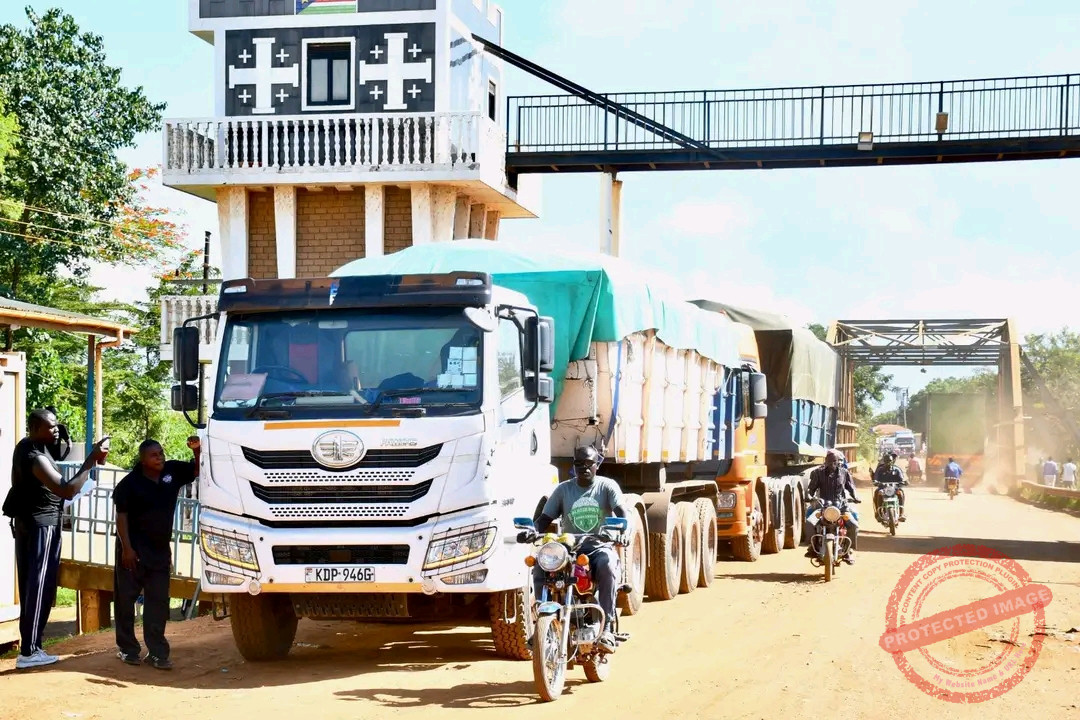
In a critical development for South Sudan's fragile economy and its citizens, long-distance truck drivers have finally resumed their arduous journeys into the country through the vital Nimule border crossing. This resumption follows a tense two-week strike that had brought the flow of essential goods to a grinding halt along the perilous Juba–Nimule Highway. The breakthrough came after intensive negotiations between the Government of South Sudan and the Long-Distance Truck Drivers’ Union, culminating in an agreement designed to address the drivers' deeply rooted concerns regarding security and welfare.
The strike had cast a long shadow over South Sudan, a nation heavily reliant on imports for almost all its consumer goods, fuel, and humanitarian aid. The Juba–Nimule road is not merely a highway; it is the economic artery connecting the landlocked country to the port of Mombasa in Kenya and other regional trade hubs. Its closure threatened to exacerbate an already precarious humanitarian situation, pushing up prices and creating acute shortages across the country.
The Genesis of the Crisis: A History of Peril
The recent strike was not an isolated incident but rather the culmination of years of escalating insecurity along the Juba–Nimule corridor. This stretch of road, while crucial, has long been infamous for its banditry, ambushes, and targeted attacks on commercial vehicles. Drivers have routinely faced threats of robbery, violence, and even death, turning every journey into a high-stakes gamble. These incidents have not only claimed lives and livelihoods but have also instilled a deep sense of fear and mistrust among the driving community.
Previous attempts to address these issues have often been piecemeal or short-lived, failing to provide the comprehensive and sustained security measures required. Drivers' unions have repeatedly voiced their grievances, demanding better protection from state authorities, swift justice for perpetrators, and compensation for losses incurred. The two-week strike was a desperate measure, a collective cry for help from a workforce that felt increasingly abandoned and vulnerable. It underscored the dire need for a fundamental shift in how security is managed along this critical trade route.
The Negotiated Settlement: A Glimmer of Hope
The agreement reached between the drivers' union and the South Sudanese government represents a significant step forward, though its long-term success will depend on diligent implementation. While the full details of the deal have not been publicly disclosed, sources close to the negotiations indicate that it includes provisions for enhanced security escorts, potentially involving joint patrols by government forces. Furthermore, there are commitments to investigate past incidents, bring perpetrators to justice, and establish mechanisms for improved communication and rapid response to emergencies.
Crucially, the agreement also touches upon welfare issues, which often go hand-in-hand with security concerns. This could involve better access to safe resting points, improved road infrastructure maintenance, and perhaps even some form of insurance or compensation scheme for drivers. The fact that both parties managed to find common ground, despite the high stakes and historical tensions, speaks to the urgency of the situation and the mutual recognition of the road's strategic importance.
Economic Ripple Effects and Regional Implications
The impact of the strike and its resolution extends far beyond the immediate concerns of the truck drivers. South Sudan's economy, still reeling from years of conflict and instability, is highly susceptible to disruptions in its supply chains. During the two-week stoppage, reports emerged of: * Soaring commodity prices: Basic foodstuffs, fuel, and medicines saw significant price hikes, impacting ordinary citizens already struggling with high inflation. * Shortages of essential goods: Supermarket shelves began to empty, and pharmacies reported dwindling stocks. * Humanitarian aid delays: The delivery of critical aid to vulnerable populations was severely hampered, threatening to worsen food insecurity and health crises.
According to a recent report by the World Bank, South Sudan's economy is projected to grow modestly, but this growth is highly contingent on political stability and the unimpeded flow of trade. "The Juba–Nimule corridor is indispensable for South Sudan's economic survival," states Dr. Anya Nya, an East African economic analyst. "Any prolonged disruption there has immediate and devastating consequences for both the market and the population. This agreement is a relief, but it's a temporary fix if the underlying issues of insecurity aren't fundamentally addressed."
The resolution also carries regional implications. Neighboring countries like Uganda and Kenya rely on this route for trade with South Sudan. The instability impacts their export markets and the livelihoods of their own truck drivers. A secure and efficient Juba–Nimule highway benefits the entire East African Community, fostering greater regional integration and economic prosperity.
The Road Ahead: Challenges and Opportunities
While the immediate crisis has been averted, the path forward for the Juba–Nimule Highway remains fraught with challenges. The agreement is a critical first step, but its effectiveness hinges on consistent and transparent implementation by the South Sudanese authorities. Trust, once broken, is difficult to rebuild, and drivers will be closely watching to see if the promised security measures materialize and are sustained.
Key areas for continued focus include: * Strengthening law enforcement: Ensuring that perpetrators of attacks are apprehended and prosecuted to deter future incidents. * Community engagement: Working with local communities along the highway to foster cooperation and intelligence sharing, as some attacks are believed to involve local elements. * Infrastructure development: Investing in road improvements, rest stops, and communication networks to enhance safety and efficiency. * Regional cooperation: Collaborating with Uganda and other neighboring countries on cross-border security initiatives.
This agreement presents an opportunity not just to restore trade but to build a more resilient and secure supply chain for South Sudan. It underscores the critical role that infrastructure and security play in the development of a young nation. The international community, humanitarian organizations, and regional bodies will undoubtedly be monitoring the situation closely, hoping that this landmark deal paves the way for lasting peace and stability along South Sudan's most vital economic lifeline. The journey ahead is long, but for now, the wheels of commerce are turning once more, carrying with them the hopes of a nation striving for a better future.
Stay Informed
Get the world's most important stories delivered to your inbox.
No spam, unsubscribe anytime.
Comments
No comments yet. Be the first to share your thoughts!