iPhone 17e: Apple's Budget Challenger Threatens Android's Mid-Range Dominance
Apple's rumored iPhone 17e, featuring flagship A19 power and 256GB storage at just $599, is poised to disrupt the budget smartphone market. While its 60Hz display remains a notable limitation, this aggressive pricing strategy and powerful internals could significantly challenge Android's long-held mid-range supremacy. This article explores the potential impact, market implications, and what this means for consumers and competitors alike.
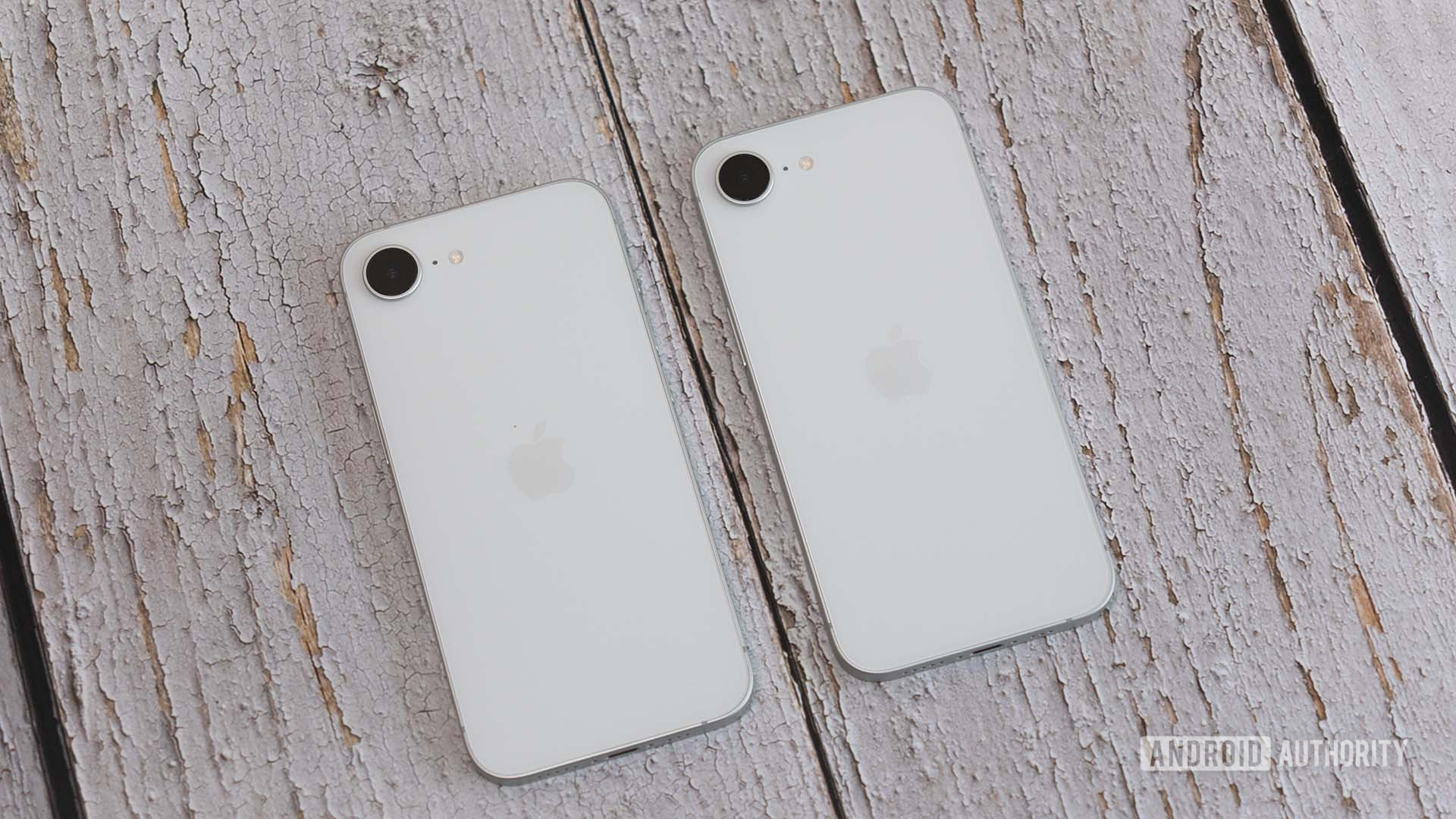
The smartphone market has long been a battleground of innovation, pricing, and ecosystem loyalty. For years, Android manufacturers have comfortably dominated the budget and mid-range segments, offering diverse options for consumers unwilling or unable to pay premium prices for Apple's flagship iPhones. However, a seismic shift appears to be on the horizon with the rumored iPhone 17e, a device poised to fundamentally alter the competitive landscape. With an alleged A19 Bionic chip, a generous 256GB of base storage, and an astonishing price tag of just $599, the iPhone 17e is not just another iterative update; it's a strategic maneuver that could spell trouble for its Android counterparts, despite one glaring omission: a high refresh rate display.
The Strategic Play: Power Meets Affordability
Apple's historical strategy has been to position itself at the premium end of the market, with its 'SE' line serving as the only true nod to budget-conscious consumers, often featuring older designs and chipsets. The iPhone 17e, if rumors hold true, represents a radical departure. Integrating the A19 Bionic chip, which would be a flagship-level processor at the time of its release, into a $599 device is unprecedented. This isn't just about raw power; it's about delivering an experience typically reserved for devices costing hundreds of dollars more. The A19 would ensure buttery-smooth performance, exceptional gaming capabilities, and robust support for future iOS updates and demanding applications for years to come. This longevity, coupled with Apple's renowned software support, makes the 17e an incredibly compelling value proposition.
Furthermore, the rumored 256GB of base storage addresses a common pain point for budget smartphone users. Many Android devices in this price bracket still start with 64GB or 128GB, which quickly fills up with apps, photos, and videos. Doubling that to 256GB out of the gate offers a significant practical advantage, reducing the need for cloud subscriptions or constant data management, further enhancing the user experience and perceived value.
The 60Hz Conundrum: A Deliberate Compromise?
Despite its impressive specifications, the iPhone 17e is rumored to retain a 60Hz display. In an era where even mid-range Android phones routinely offer 90Hz or 120Hz refresh rates, this might seem like a significant drawback. High refresh rates provide a noticeably smoother scrolling experience and more fluid animations, enhancing the overall feel of the device. For many tech enthusiasts, a 60Hz screen is an immediate red flag.
However, this decision is likely a calculated one by Apple. Keeping the display technology simpler and less power-intensive allows them to hit the aggressive $599 price point while allocating resources to the more critical components like the A19 chip and storage. For the average consumer, particularly those upgrading from older iPhones or budget Android devices, the difference between 60Hz and 120Hz might not be as immediately apparent or as high a priority as raw performance, camera quality (which is yet to be fully detailed but expected to be strong), and ecosystem integration. Apple's optimization of iOS often makes even 60Hz feel smoother than some higher refresh rate Android implementations. This compromise allows Apple to offer a 'flagship-level' core experience without inflating the price beyond reach.
Impact on the Android Ecosystem
The introduction of a $599 iPhone with flagship power could send shockwaves through the Android market, particularly among manufacturers like Samsung, Google, Xiaomi, and OnePlus, who have built strong presences in the mid-range and 'flagship killer' segments. These companies often differentiate themselves through features like high refresh rate displays, versatile camera systems, and competitive pricing.
* Samsung's A-series: Samsung's highly successful Galaxy A-series thrives on offering premium features at accessible prices. An iPhone 17e could directly compete with models like the Galaxy A5x and A7x, forcing Samsung to either lower prices, enhance specifications even further, or accelerate innovation in other areas. * Google's Pixel A-series: Google's Pixel 'a' phones are renowned for their exceptional camera quality and clean Android experience. The Pixel 7a, for example, offers a great camera and Tensor G2 chip for $499. The iPhone 17e's raw power advantage might force Google to re-evaluate its pricing or focus even more heavily on its AI-driven features. * Chinese Manufacturers: Brands like Xiaomi and OnePlus often lead with aggressive specs-to-price ratios. They might find it harder to justify their offerings if Apple can deliver an A19 chip and 256GB storage at a comparable price, especially given the perceived premium of the Apple brand.
This competition could ultimately benefit consumers, pushing all manufacturers to offer more value for money. Android OEMs might be compelled to innovate faster, optimize their software better, or differentiate more strongly on features Apple chooses to omit, such as truly open customization or perhaps even faster charging speeds.
The Broader Economic Context and Market Trends
The rumored timing of the iPhone 17e's release, likely in 2026, aligns with a period of significant global economic uncertainty. High inflation, geopolitical tensions, and the looming specter of AI-driven job displacement are making consumers more cautious with their spending. In such a climate, a device that offers premium performance and longevity at a mid-range price point becomes incredibly attractive. It allows consumers to access Apple's ecosystem and powerful hardware without breaking the bank, potentially accelerating upgrades from older devices or enticing Android users to switch.
Historically, Apple has seen immense success with its 'value' propositions, from the original iPhone SE to the more recent iPhone SE models. These devices often serve as gateways into the Apple ecosystem, and once users are integrated, they tend to remain loyal. The iPhone 17e could be the most potent gateway yet, offering a taste of true flagship power at an unprecedented price.
Conclusion: A New Era of Smartphone Competition
The iPhone 17e, with its rumored A19 Bionic chip, 256GB storage, and $599 price tag, represents a bold and potentially game-changing move by Apple. While the 60Hz display is a notable compromise, it's a strategic one that enables Apple to deliver an incredibly compelling package. This device is not merely an upgrade; it's a direct challenge to the established order of the budget and mid-range smartphone markets, an area where Android has long felt secure.
For consumers, this means more choice and potentially better value across the board as competition intensifies. For Android manufacturers, it signals a need for renewed focus on innovation, differentiation, and perhaps a re-evaluation of their own pricing strategies. The smartphone landscape of 2026 and beyond could look dramatically different, with Apple aggressively expanding its reach into segments it once largely ignored. The iPhone 17e isn't just one upgrade away from ruining budget Android phones; it's one strategic product away from redefining the entire mid-tier smartphone battleground.
Stay Informed
Get the world's most important stories delivered to your inbox.
No spam, unsubscribe anytime.
Comments
No comments yet. Be the first to share your thoughts!