Iranian Journalist Stabbing in London Unveils Shadow War on Dissent
The recent stabbing of Iranian journalist Pouria Zeraati in London has sent shockwaves through the international media community, exposing the long reach of state-sponsored threats against dissidents abroad. Zeraati, a presenter for Iran International, testified in court about the "violent" attack, which authorities link to individuals allegedly working for the Iranian regime. This incident highlights a disturbing pattern of intimidation and violence targeting journalists and activists critical of Tehran, raising urgent questions about press freedom and national security in host countries.
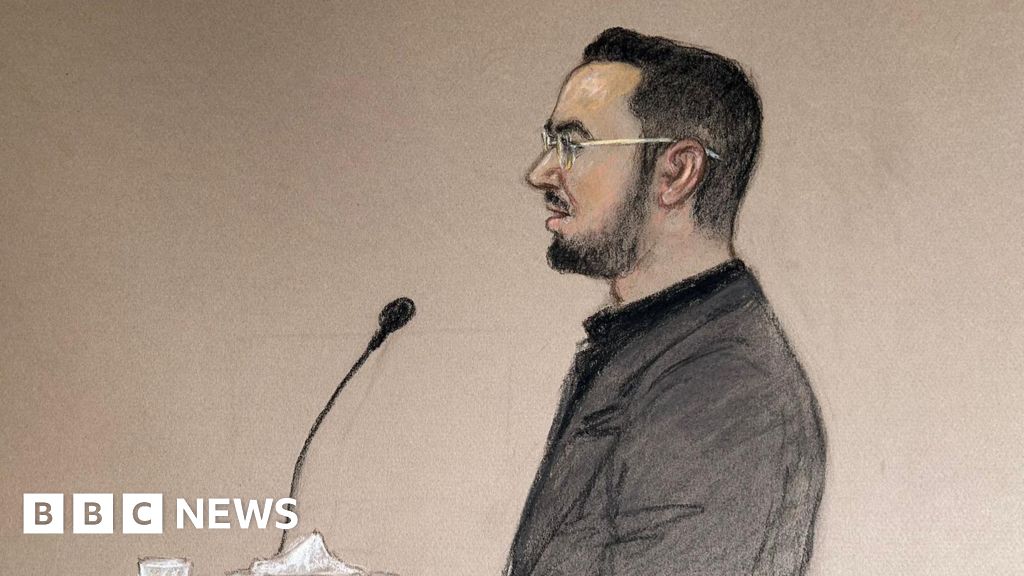
In a chilling incident that has sent tremors through the international journalistic community, Iranian journalist Pouria Zeraati, a prominent presenter for the London-based Iran International news channel, was brutally stabbed outside his Wimbledon home in late March 2024. The attack, which Zeraati himself described in court as "violent" and "very frightening," has been swiftly attributed by British authorities to individuals allegedly acting on behalf of the Iranian state. This brazen act of aggression, occurring on British soil, underscores a deeply troubling escalation in the Iranian regime's global campaign to silence dissent and intimidate its critics.
A Targeted Attack on Press Freedom
The details emerging from the investigation paint a grim picture of a premeditated assault. Zeraati sustained a stab wound to his thigh, an injury that, while not life-threatening, was clearly intended to send a powerful message. The Metropolitan Police's Counter Terrorism Command has taken the lead in the investigation, a move that immediately signals the gravity of the incident and its perceived links to state-sponsored activity. This is not an isolated event; it fits into a broader, well-documented pattern of threats, harassment, and even assassination plots orchestrated by Iranian intelligence services against journalists, activists, and dissidents living abroad, particularly in Europe and North America.
Iran International, where Zeraati works, is a Persian-language news channel that has been a consistent thorn in the side of the Tehran regime. Its critical reporting on domestic affairs, human rights abuses, and foreign policy has made it a primary target for Iranian authorities, who view it as a propaganda outlet for opposition forces. The channel's staff have long operated under a cloud of fear, with numerous reports of surveillance, cyberattacks, and direct threats against their families in Iran. The attack on Zeraati represents a dangerous physical manifestation of these ongoing pressures, moving beyond digital harassment to direct physical violence in a democratic nation.
The Long Arm of Tehran: A History of Transnational Repression
The Iranian regime's history of transnational repression is extensive and well-documented. Since the 1979 revolution, Tehran has consistently sought to extend its control beyond its borders, targeting perceived enemies and critics wherever they may reside. This includes a range of tactics from cyber espionage and online harassment to kidnappings and assassinations. Notable cases include the assassination of former Prime Minister Shapour Bakhtiar in Paris in 1991 and the attempted bombing of a rally in France in 2018, both linked to Iranian state actors.
In recent years, the focus has increasingly shifted towards journalists and media organizations. The Committee to Protect Journalists (CPJ) and Reporters Without Borders (RSF) have repeatedly highlighted Iran as one of the world's worst jailers of journalists and a significant threat to press freedom globally. The targeting of individuals like Zeraati serves multiple purposes for the regime: it aims to silence critical voices, deter others from speaking out, and demonstrate the regime's reach and impunity to both domestic and international audiences. The psychological impact on exiled communities is profound, fostering an environment of fear and self-censorship.
Implications for Host Countries and International Law
The attack on Pouria Zeraati in London raises critical questions for the British government and other Western nations hosting Iranian dissidents. The incident directly challenges the sovereignty of the United Kingdom and its ability to protect individuals within its borders from foreign state aggression. It underscores the urgent need for robust counter-intelligence measures and stronger diplomatic responses to such brazen acts. Failure to adequately address these threats could embolden authoritarian regimes to conduct similar operations with greater frequency and audacity.
For international law, these incidents highlight the complexities of prosecuting state-sponsored terrorism and transnational repression. While the UK has taken steps, including sanctioning Iranian officials and entities linked to plots, the direct attribution and successful prosecution of individuals acting on behalf of a foreign state remain challenging. The legal frameworks often struggle to keep pace with the evolving tactics of state actors, who frequently use proxies or deniable assets to carry out their operations. The role of intelligence sharing and international cooperation becomes paramount in dismantling these networks and bringing perpetrators to justice.
The Broader Context: Geopolitical Tensions and Regional Instability
This incident also cannot be viewed in isolation from the broader geopolitical landscape. Iran is currently embroiled in significant regional tensions, particularly concerning its nuclear program, its proxy conflicts in the Middle East, and its domestic political unrest. The regime's crackdown on internal dissent has intensified, particularly following the widespread protests sparked by the death of Mahsa Amini in 2022. As internal pressures mount, the regime's efforts to control the narrative and suppress opposition voices, both at home and abroad, are likely to intensify.
The attack on Zeraati serves as a stark reminder of the interconnectedness of domestic repression and international security. The impunity with which state actors operate abroad has profound implications for global stability and the fundamental principles of human rights and press freedom. It forces a re-evaluation of the measures required to protect journalists and dissidents who are often on the front lines of informing the world about authoritarian abuses.
A Call for Vigilance and Solidarity
The stabbing of Pouria Zeraati is more than just an assault on an individual; it is an attack on the very foundations of free speech and democratic values. It demands a unified and resolute response from the international community. Governments must not only condemn such acts but also implement concrete measures to protect those targeted by foreign states, including enhanced security, intelligence sharing, and robust legal action against perpetrators and their enablers. Journalists and human rights organizations must continue to shine a light on these abuses, ensuring that the stories of those silenced are heard.
For Zeraati and his colleagues at Iran International, the incident is a harrowing reminder of the risks inherent in their profession. Yet, it also strengthens their resolve. As the legal proceedings unfold, the world watches, hoping that justice will be served and that this incident will serve as a catalyst for greater protection for journalists everywhere, ensuring that the pursuit of truth can continue without fear of state-sponsored violence. The battle for information and freedom of expression is far from over, and incidents like this underscore its critical importance in an increasingly complex global arena.
Stay Informed
Get the world's most important stories delivered to your inbox.
No spam, unsubscribe anytime.
Comments
No comments yet. Be the first to share your thoughts!