Israel's 'Gaza Playbook' in Lebanon: A New Front in the Middle East Conflict
Reports from southern Lebanon indicate that Israeli forces are systematically bulldozing villages and constructing new military outposts, raising concerns about a potential expansion of the conflict. This aggressive strategy, dubbed Israel's 'Gaza Playbook,' suggests a long-term presence and a significant escalation against Hezbollah. As international efforts aim to de-escalate regional tensions, these actions threaten to ignite a new, more devastating front.
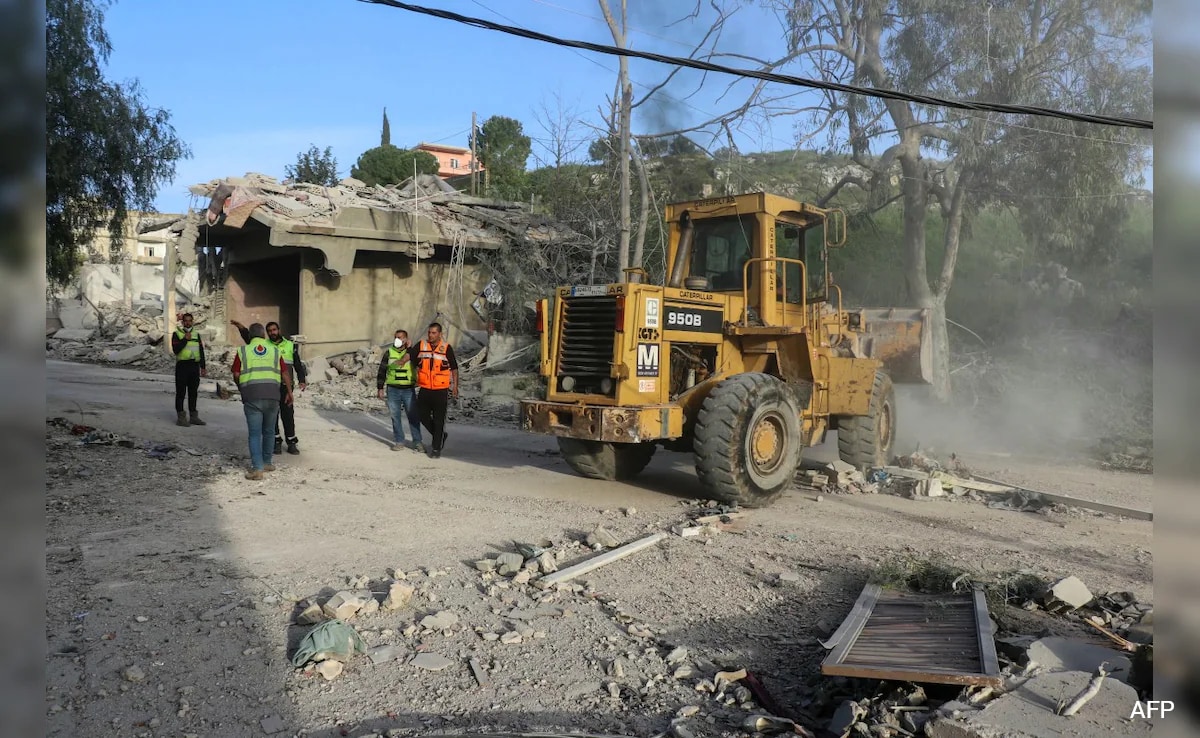
The tranquil, verdant landscapes of southern Lebanon, long a strategic stronghold for Hezbollah, are reportedly undergoing a dramatic and unsettling transformation. Amidst the escalating conflict between Israel and the Iran-backed group, alarming reports suggest that Israeli military bulldozers are systematically razing villages near the border fence to clear space for what appears to be permanent new military outposts. This aggressive expansion, characterized by some as Israel's 'Gaza Playbook' for Lebanon, signals a profound shift in the regional dynamics and threatens to ignite a new, more devastating front in the already volatile Middle East.
For decades, the border region between Israel and Lebanon has been a flashpoint, marked by intermittent clashes and a fragile peace. However, the current actions, described by a combat soldier as building structures that appear to be "permanent," indicate a strategy far beyond temporary defensive measures. This development unfolds against a backdrop of intense diplomatic efforts by Washington and Tehran to de-escalate the broader Middle East conflict, making the timing and nature of these Israeli operations particularly concerning. The implications are vast, potentially reshaping the geopolitical map of the Levant and drawing in regional and international powers into a protracted confrontation.
The Unfolding 'Gaza Playbook': A Strategy of Permanent Presence
The term 'Gaza Playbook' immediately evokes images of destruction and long-term military occupation, a grim parallel that sends shivers through the international community. In the context of southern Lebanon, this 'playbook' appears to involve a multi-pronged approach: demolition, displacement, and permanent fortification. Eyewitness accounts and satellite imagery, though yet to be fully verified by independent international bodies, paint a consistent picture of widespread destruction. Villages, some with historical roots stretching back centuries, are reportedly being flattened, their inhabitants displaced, and the land repurposed for military infrastructure.
This strategy serves several strategic objectives for Israel. Firstly, it creates a buffer zone, pushing Hezbollah's operational capabilities further away from the Israeli border. Secondly, the construction of permanent outposts signifies a long-term commitment to controlling this territory, potentially altering the internationally recognized border. Thirdly, it sends a clear message of deterrence to Hezbollah and its Iranian patrons, indicating Israel's resolve to neutralize perceived threats, even if it means altering the demographic and geographical landscape of its northern neighbor. The scale of these operations suggests a pre-planned strategy, meticulously executed under the cover of ongoing hostilities.
Historical Context: A Volatile Border
To understand the gravity of the current situation, one must delve into the complex history of the Israeli-Lebanese border. Since Israel's establishment in 1948, this frontier has been a site of continuous tension. The 1982 Lebanon War saw Israel invade Lebanon to root out the Palestine Liberation Organization (PLO). Later, the rise of Hezbollah in the 1980s, initially as a resistance movement against Israeli occupation, transformed the dynamics. The 2006 Lebanon War was a brutal, month-long conflict between Israel and Hezbollah, resulting in significant casualties and infrastructure damage on both sides, particularly in southern Lebanon. The war ended with UN Security Council Resolution 1701, which called for a full cessation of hostilities and the deployment of the UN Interim Force in Lebanon (UNIFIL).
Despite UNIFIL's presence, the region has remained heavily militarized. Hezbollah has maintained a significant presence, often operating within civilian areas, which Israel has consistently cited as a justification for its military actions. The current reports of village destruction and outpost construction suggest a departure from previous engagement rules, moving towards a more aggressive, land-altering strategy. This historical backdrop underscores the deep-seated mistrust and animosity that fuel the current escalation, making any talk of a lasting peace seem increasingly distant.
Implications for Regional Stability and International Law
The reported actions carry profound implications for regional stability and international law. The destruction of civilian infrastructure and forced displacement of populations could constitute violations of international humanitarian law, particularly the Geneva Conventions, which protect civilians in times of armed conflict. If proven, these actions would draw widespread condemnation and could lead to calls for international investigations and sanctions.
Furthermore, the establishment of permanent military outposts on Lebanese territory, if confirmed to be beyond Israel's internationally recognized borders, would be a clear breach of Lebanese sovereignty and international law. This could further destabilize an already fragile Lebanon, which is grappling with a severe economic crisis, political instability, and the lingering aftermath of the Beirut port explosion. The international community, particularly the United Nations and major powers like the United States and France, faces a critical challenge in upholding international norms and preventing a wider conflict. The potential for a humanitarian crisis, with thousands displaced and their livelihoods destroyed, is a pressing concern that demands immediate attention.
Expert Analysis: A Calculated Risk or Desperate Measure?
Security analysts are divided on Israel's motivations. Some view it as a calculated risk, a pre-emptive measure to create a robust defensive posture against Hezbollah's growing arsenal and capabilities, particularly its precision-guided missiles. They argue that Israel perceives an existential threat from Hezbollah and is willing to take drastic measures to secure its northern border. This perspective often highlights the perceived failures of past diplomatic efforts and the need for Israel to act unilaterally to protect its citizens.
Others see it as a desperate measure, driven by the intense pressure of the ongoing conflict in Gaza and the desire to project strength. This view suggests that Israel might be overextending its military capabilities, risking a multi-front war that could have devastating consequences for the entire region. The long-term costs of such an aggressive strategy, both in terms of international standing and potential for prolonged conflict, are immense. The question remains whether these actions will genuinely enhance Israel's security or merely sow the seeds for future, more intense confrontations. The strategic calculus is complex, with high stakes for all parties involved.
The Path Forward: Diplomacy or Escalation?
The current trajectory points towards an alarming escalation, but the possibility of diplomatic intervention remains. The efforts by Washington and Tehran to de-escalate regional tensions offer a glimmer of hope, though the reported actions in southern Lebanon severely undermine these initiatives. Any meaningful resolution would require a robust international framework, potentially involving:
* Ceasefire negotiations: A comprehensive and verifiable cessation of hostilities on all fronts. * Border demarcation: A clear and internationally recognized demarcation of the Israeli-Lebanese border, potentially with enhanced UNIFIL presence. * Reconstruction efforts: International aid and support for the reconstruction of affected Lebanese villages and the return of displaced populations. * Security guarantees: Mutual security guarantees for both Israel and Lebanon, possibly brokered by international powers.
Without such concerted efforts, the 'Gaza Playbook' in Lebanon risks transforming a volatile border into a permanent war zone. The international community stands at a critical juncture, tasked with preventing a regional conflagration that could have catastrophic global consequences. The fate of southern Lebanon, and indeed the broader Middle East, hangs precariously in the balance, demanding urgent and decisive action from all stakeholders to choose the path of diplomacy over further escalation.
Stay Informed
Get the world's most important stories delivered to your inbox.
No spam, unsubscribe anytime.
Comments
No comments yet. Be the first to share your thoughts!