KITT's Unlikely Speeding Ticket: A Digital Identity Crisis for a Pop Culture Icon
A replica of KITT, the iconic talking car from 'Knight Rider', received a speeding ticket for an alleged offense in New York City, despite being permanently housed in a museum near Chicago. This bizarre incident highlights the growing challenges of automated enforcement systems, mistaken identity in the digital age, and the enduring legacy of 1980s pop culture. The case has sparked a debate about the reliability of technology and the need for human oversight in traffic enforcement.
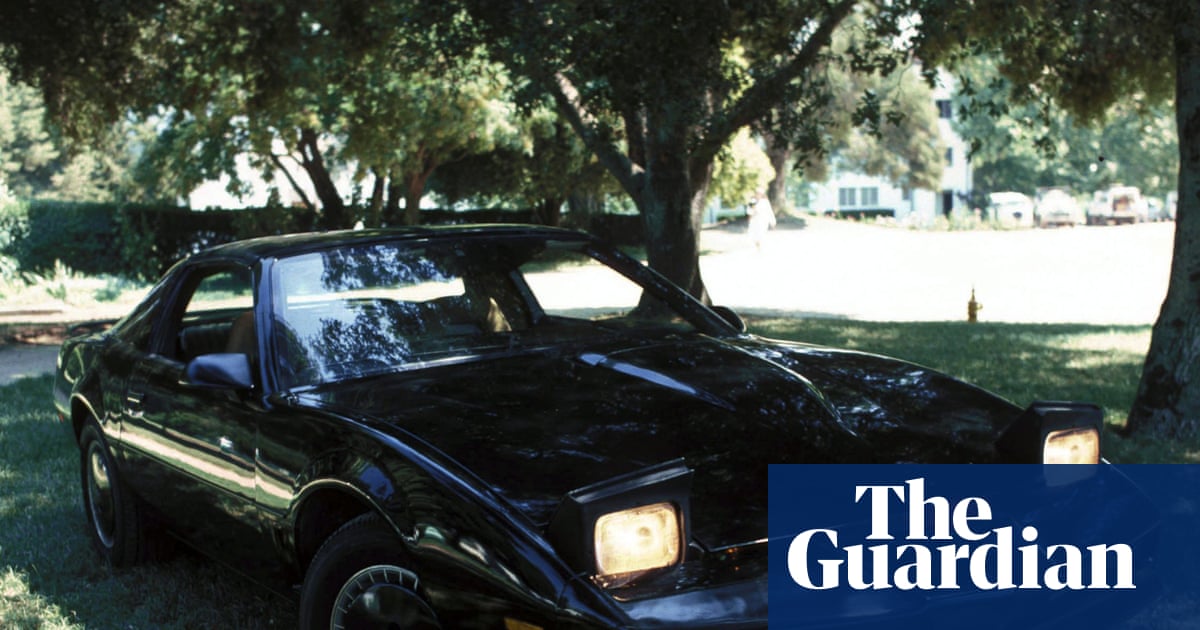
In a narrative twist that could rival an episode of its original 1980s television series, KITT, the legendary artificial intelligence-powered car from 'Knight Rider', has found itself embroiled in an unexpected legal battle. Not the original, sentient Pontiac Trans Am, mind you, but a meticulously crafted replica, permanently enshrined in a museum near Chicago. The bewildering charge? A speeding ticket issued in New York City, thousands of miles from its static display. This peculiar saga, involving mistaken identity, technological glitches, and a beloved pop culture icon, offers a fascinating lens through which to examine the complexities of modern automated enforcement and the enduring power of nostalgia.
The Unbelievable Summons: KITT vs. NYC Traffic Enforcement
The story began when the Volo Museum, located about an hour north of Chicago, received a speeding citation from New York City. The alleged offense: a KITT lookalike caught on camera exceeding the speed limit in Brooklyn. The absurdity of the situation was immediately apparent to museum staff. Their KITT replica, a star attraction, had not moved from its designated spot for years, let alone embarked on a cross-country joyride to the Big Apple. The museum's replica is a highly accurate representation of the original vehicle, complete with the distinctive red scanner bar and sleek black exterior, making it instantly recognizable to fans worldwide. However, its stationary existence makes the accusation of speeding in a different state not just improbable, but physically impossible. This incident quickly transcended a mere administrative error, morphing into a viral sensation that captivated both 'Knight Rider' enthusiasts and skeptics of automated systems alike.
A Deep Dive into Digital Dilemmas: Automated Enforcement Under Scrutiny
This bizarre episode casts a harsh spotlight on the fallibility of automated enforcement systems. While speed cameras and license plate readers are designed to enhance public safety and streamline traffic law enforcement, cases like KITT's expose their inherent limitations. Optical character recognition (OCR) technology, which converts images of license plates into alphanumeric data, is not infallible. Factors such as poor lighting, glare, damaged plates, or even similar-looking characters can lead to errors. In this instance, it's highly probable that a human operator or the OCR software misidentified a New York vehicle's license plate as belonging to the Illinois-registered KITT replica, perhaps due to a similar sequence of numbers or letters, or even a novelty plate that mimicked the show's aesthetic. The lack of human verification at the initial stage of ticket generation is a critical flaw, allowing such egregious errors to propagate.
Moreover, the incident raises questions about the process of cross-state violation reporting. How seamlessly do different state and municipal databases communicate? And what safeguards are in place to prevent tickets from being issued to vehicles that are demonstrably not at the scene of the alleged infraction? The KITT case serves as a high-profile example of how these systems, while efficient in principle, can become Kafkaesque nightmares for individuals (or, in this case, institutions) caught in their automated nets. It underscores the need for robust validation protocols and accessible avenues for disputing erroneous citations, especially when dealing with interstate discrepancies.
KITT's Enduring Legacy: More Than Just a Car
Beyond the administrative blunder, this incident is a testament to the enduring cultural impact of 'Knight Rider' and its star vehicle. Airing from 1982 to 1986, 'Knight Rider' captured the imagination of millions with its futuristic premise: a crime fighter, Michael Knight (played by David Hasselhoff), paired with a technologically advanced, artificially intelligent car, KITT (Knight Industries Two Thousand). KITT wasn't just a mode of transport; it was a character in its own right, capable of independent thought, witty banter, and incredible feats of engineering, from turbo boosts to bulletproof armor. The show tapped into a nascent fascination with artificial intelligence and advanced technology, predicting many concepts that are only now becoming reality, such as self-driving cars and voice-activated assistants.
The KITT replica at the Volo Museum is more than just a prop; it's a tangible link to a cherished era of television and a symbol of technological aspiration. Its presence attracts visitors from all over, eager to see a piece of their childhood come to life. The irony of this symbol of technological advancement being ensnared by a technological malfunction is not lost on observers. It highlights how even the most sophisticated systems can be prone to simple, human-like errors, reminding us that the future envisioned in 'Knight Rider' still requires a significant degree of human oversight and common sense.
The Broader Implications: A Call for Smarter Systems
The KITT speeding ticket saga is not an isolated anomaly but rather a high-profile example of a systemic issue. Countless individuals annually face the arduous task of disputing erroneous traffic citations generated by automated systems. These disputes often involve significant time, effort, and sometimes legal fees, even for clear-cut cases of mistaken identity. For the average citizen, proving their innocence against an automated system can be a daunting and frustrating experience. This incident should serve as a catalyst for municipalities and technology providers to re-evaluate the accuracy and fairness of their automated enforcement solutions.
Recommendations for improvement include: implementing a mandatory human review stage for all automated citations, particularly those involving out-of-state vehicles; enhancing the precision of OCR software; and establishing clearer, more accessible procedures for disputing tickets. Furthermore, there's an argument to be made for greater transparency in how these systems operate and how errors are identified and rectified. As our reliance on AI and automation grows across various sectors, ensuring accountability and preventing such digital identity crises becomes paramount. The KITT incident, while amusing, underscores a serious need for smarter, more reliable, and ultimately more human-centric automated systems.
Conclusion: When Fiction Meets Flawed Reality
The tale of KITT's phantom speeding ticket is a fascinating intersection of pop culture, technological advancement, and bureaucratic blunders. It's a humorous anecdote that quickly reveals deeper questions about the reliability of our increasingly automated world. While the Volo Museum is confident the ticket will be dismissed, the incident leaves a lasting impression. It's a powerful reminder that even as we embrace the efficiencies of artificial intelligence and digital enforcement, the human element – common sense, critical thinking, and the ability to recognize absurdity – remains indispensable. Just as Michael Knight relied on KITT's intelligence, so too must our modern systems be guided by human wisdom to prevent our technological marvels from becoming sources of frustration and injustice. The spirit of 'Knight Rider' lives on, not just in its iconic car, but in the ongoing quest for justice against seemingly insurmountable odds, even if those odds are a faulty speed camera.
Stay Informed
Get the world's most important stories delivered to your inbox.
No spam, unsubscribe anytime.
Comments
No comments yet. Be the first to share your thoughts!