Louisiana Tragedy: A Father's Unthinkable Act Claims Eight Young Lives in Mass Shooting
A horrific mass shooting in Louisiana has left eight children dead, allegedly at the hands of their father, Shamar Elkins. The tragic incident, stemming from a domestic disturbance, has sent shockwaves through the community and reignited urgent conversations about domestic violence, mental health, and gun control in the United States. Authorities are investigating the motives behind this devastating act, which also injured two adults.
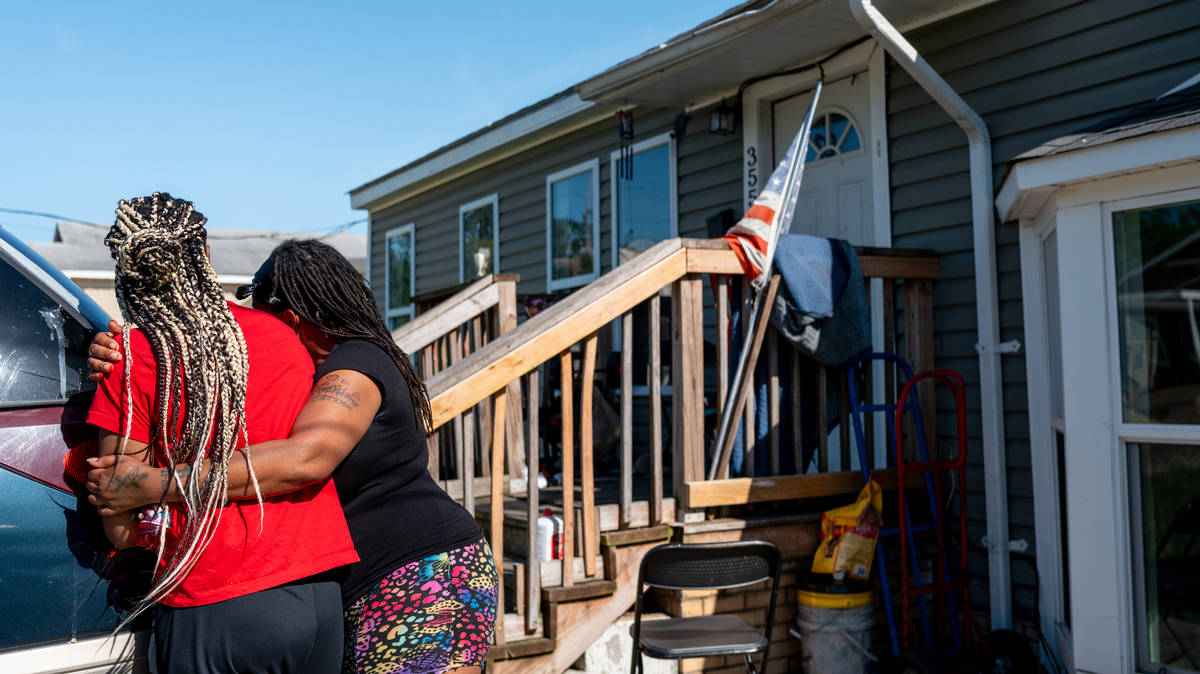
The tranquil dawn of a Sunday morning in Shreveport, Louisiana, was shattered by an act of unimaginable horror that has left a community reeling and a nation grappling with profound grief. Eight innocent children, ranging in age from just one year to fourteen, were brutally murdered in a mass shooting, allegedly perpetrated by their own father, Shamar Elkins. This devastating incident, which local police have described as a "domestic disturbance," has cast a dark shadow over the state and once again thrust the complex, often intertwined issues of domestic violence, mental health crises, and gun violence into the harsh glare of public scrutiny.
A Community in Shock: The Unfolding Tragedy
According to Shreveport Police Chief Wayne Smith, the massacre began around 5:00 AM (10:00 GMT) on Sunday. The suspect, identified as Shamar Elkins, allegedly opened fire, resulting in a total of ten people being shot. Among the victims were seven of his own children and an eighth child, whose relationship to Elkins was not immediately specified but was also a minor. Two adults, believed to be relatives of the suspect, sustained injuries but are expected to survive. The sheer scale of the tragedy – eight children dead at the hands of a parent – has sent shockwaves far beyond Louisiana's borders, prompting an outpouring of grief and disbelief.
First responders arriving at the scene were met with a horrific tableau, a testament to the senseless violence that had unfolded. The immediate focus shifted to securing the area and providing aid to the injured, while the somber task of identifying the young victims began. Local authorities have been tight-lipped about the specific details leading up to the shooting, citing an ongoing investigation. However, the initial classification of the event as a "domestic disturbance" points to the deeply personal and often hidden nature of such violence, which frequently escalates behind closed doors before erupting into public tragedy.
The Scourge of Domestic Violence and Its Deadly Consequences
This incident serves as a stark and painful reminder of the devastating potential of domestic violence, particularly when firearms are involved. Experts in domestic violence often highlight that such disputes are not merely private matters but pose significant risks to all involved, especially children. Children living in homes with domestic violence are not only at risk of physical harm but also suffer profound psychological trauma, even if they are not directly targeted. In cases where a perpetrator turns to extreme violence, children are tragically often among the most vulnerable victims.
Statistics paint a grim picture. According to the National Coalition Against Domestic Violence (NCADV), one in four women and one in seven men have experienced severe physical violence by an intimate partner in their lifetime. Furthermore, the presence of a gun in a domestic violence situation increases the risk of homicide for women by 500%. When children are present, the risk factors multiply. This Louisiana tragedy underscores the critical need for robust support systems for victims, early intervention programs, and stricter enforcement of laws designed to remove firearms from individuals with a history of domestic abuse.
Mental Health and the Search for Answers
While the immediate focus is on the criminal investigation, the question of Shamar Elkins's mental state is an inevitable and crucial component of understanding this tragedy. Acts of such extreme violence, particularly against one's own children, often raise questions about underlying mental health issues, though it is important to emphasize that mental illness does not inherently lead to violence, and most individuals with mental health conditions are not violent. However, severe untreated mental health crises, coupled with other stressors like domestic disputes or substance abuse, can sometimes tragically culminate in such devastating outcomes.
Psychologists and sociologists will undoubtedly analyze this case for insights into the complex interplay of factors that can lead a parent to commit such an unthinkable act. Was there a history of mental health struggles? Were there warning signs that went unheeded? The answers to these questions are vital not just for this specific case but for informing broader public health strategies aimed at preventing similar tragedies. Access to mental healthcare, destigmatizing mental illness, and fostering communities where individuals feel safe seeking help are paramount.
The Broader Context: Gun Violence in America
This mass shooting, like so many others in the United States, inevitably reignites the contentious debate surrounding gun control. While the specific circumstances of this event point to domestic violence, the availability of firearms remains a consistent factor in the lethality of such incidents. Critics of current gun laws often point to the ease with which individuals, even those with potential red flags, can acquire weapons, leading to calls for universal background checks, red flag laws, and restrictions on certain types of firearms.
Conversely, proponents of gun rights emphasize Second Amendment protections and argue that restricting access for law-abiding citizens would not deter criminals. The Louisiana tragedy, however, highlights a specific intersection: the lethal combination of domestic disputes and readily available firearms. This particular nexus is often cited by advocates for stronger gun safety measures, particularly those aimed at preventing individuals with a history of domestic violence from possessing weapons. The debate is complex, deeply entrenched, and often emotionally charged, but the human cost of inaction continues to mount.
Moving Forward: Healing and Prevention
As the community of Shreveport begins the arduous process of mourning and healing, the wider implications of this tragedy resonate across the nation. For the surviving family members, the road ahead will be long and fraught with unimaginable pain. Support services, including grief counseling and psychological aid, will be crucial for those directly affected.
Beyond immediate support, this incident serves as a clarion call for a multi-faceted approach to prevention. This includes:
* Strengthening Domestic Violence Interventions: Ensuring victims have safe avenues to report abuse and access to resources like shelters, legal aid, and counseling. * Improving Mental Healthcare Access: Expanding affordable and accessible mental health services, particularly in underserved communities, and promoting early intervention. * Re-evaluating Gun Safety Measures: Engaging in thoughtful, evidence-based discussions about how to prevent firearms from falling into the hands of individuals who pose a risk to themselves or others, especially in domestic contexts. * Community Vigilance: Fostering environments where neighbors and community members feel empowered to report suspicious behavior or concerns about domestic situations, without fear of reprisal.
The loss of eight young lives is an unbearable tragedy, a stark reminder of the vulnerabilities within our society. While no single solution can prevent all acts of violence, a concerted effort on multiple fronts – from mental health support to domestic violence prevention and gun safety – is essential to honor the memory of the victims and strive for a future where such horrors are less likely to occur. The children of Shreveport deserve nothing less than a collective commitment to protecting the most innocent among us. The pain of this day will linger, but it must also serve as a catalyst for meaningful change and renewed resolve to address the root causes of such profound suffering.
Stay Informed
Get the world's most important stories delivered to your inbox.
No spam, unsubscribe anytime.
Comments
No comments yet. Be the first to share your thoughts!