US Warship's Malacca Strait Transit: A Geopolitical Barometer in Asia's Maritime Heart
A United States warship recently navigated the critical Malacca Strait, a move confirmed by the Indonesian Navy as compliant with international law. This routine yet significant transit underscores the strait's enduring importance as a global trade artery and a flashpoint for geopolitical maneuvering. Amid escalating regional tensions and shifting power dynamics, such naval movements are closely watched, reflecting broader strategic interests and the delicate balance of maritime security in Southeast Asia.
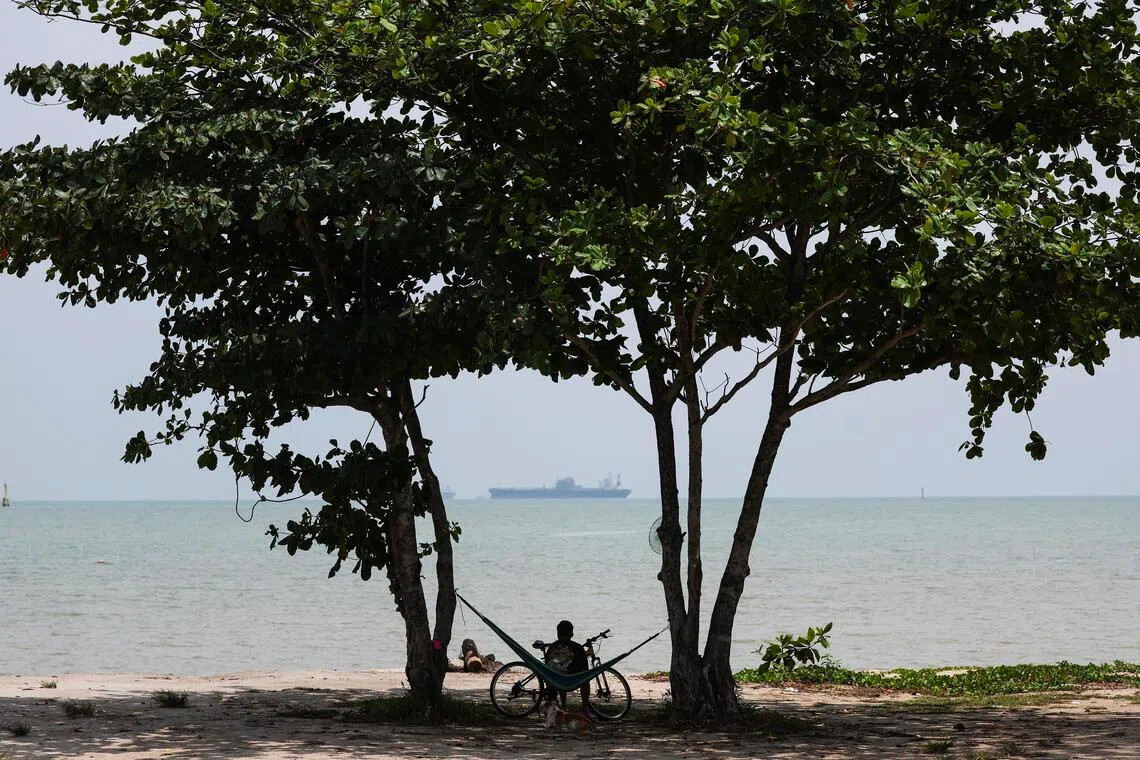
The tranquil waters of the Malacca Strait, a narrow, 890-kilometer stretch between the Malay Peninsula and the Indonesian island of Sumatra, recently played host to a significant, albeit routine, event: the transit of a United States warship. Confirmed by the Indonesian Navy on April 20, this passage, deemed to be in accordance with international law, serves as far more than a simple navigational exercise. It is a geopolitical barometer, reflecting the intricate dance of international relations, maritime security, and economic imperatives that define 21st-century Asia.
For centuries, the Malacca Strait has been an indispensable conduit for global commerce, connecting the Indian Ocean to the Pacific. Today, it remains one of the world's busiest shipping lanes, with an estimated 80,000 vessels traversing its waters annually. Over a quarter of the world's traded goods, including a substantial portion of global oil and gas supplies, pass through this choke point. Its strategic significance cannot be overstated, making any naval presence, particularly from major powers, a subject of intense scrutiny and analysis.
The Strait's Enduring Strategic Importance
The Malacca Strait's importance is multifaceted. Economically, it is the shortest sea route between the Middle East and East Asia, facilitating trade worth trillions of dollars annually. For energy-hungry nations like China, Japan, and South Korea, it is a vital lifeline, with over 80% of their oil imports passing through its waters. Any disruption, whether from piracy, natural disaster, or geopolitical conflict, could have catastrophic global economic repercussions. The Strait's depth and width also present unique challenges, making it susceptible to blockades or accidents that could severely impact global supply chains.
From a military perspective, the strait is a crucial maritime gateway. For the United States and its allies, maintaining freedom of navigation through such international waters is a cornerstone of their foreign policy and a projection of their commitment to a rules-based international order. For rising powers, especially China, securing access and influence over this route is paramount to their economic security and naval expansion. The presence of a US warship, therefore, is a clear signal of Washington's continued interest in the Indo-Pacific region and its commitment to upholding maritime norms.
International Law and Freedom of Navigation
The Indonesian Navy's statement that the transit was "in accordance with international law" is a critical detail. This refers primarily to the United Nations Convention on the Law of the Sea (UNCLOS), which grants all ships, including warships, the right of transit passage through straits used for international navigation. This right allows for continuous and expeditious passage in their normal mode of operation, without impediment. Adherence to UNCLOS is vital for maintaining stability in these critical waterways, preventing unilateral claims, and ensuring predictable maritime conduct.
However, the interpretation and application of UNCLOS can sometimes be contentious. While the right of transit passage is generally accepted, some coastal states have, at times, expressed concerns over the nature or frequency of military transits. The fact that Indonesia, a key littoral state, explicitly affirmed the legality of the US warship's passage underscores a degree of regional acceptance and adherence to established international norms. This is particularly important in an era where some nations are increasingly challenging the existing maritime order in other parts of the world, such as the South China Sea.
Geopolitical Implications and Regional Dynamics
The US warship's transit occurs against a backdrop of complex and evolving geopolitical dynamics in the Indo-Pacific. The region is witnessing an intensified strategic competition between the United States and China, with both powers vying for influence. China's growing naval capabilities and its assertive posture in the South China Sea have prompted increased US and allied naval deployments and exercises in the wider region.
Southeast Asian nations, including Indonesia, find themselves navigating this delicate balance. While they benefit from the security assurances and economic ties offered by the US, they also have deep economic dependencies on China. Their approach is often one of strategic hedging, seeking to maintain good relations with both powers while safeguarding their own national interests and regional stability. The Indonesian Navy's measured statement reflects this nuanced position, acknowledging the transit's legality without overtly endorsing one power over another.
Furthermore, the transit serves as a reminder of the broader security challenges in the region, including piracy, illegal fishing, and transnational crime. Collaborative efforts among littoral states and international partners are essential to address these threats and ensure the safe and secure passage of vessels through the strait. The US presence, even if routine, contributes to a broader security architecture that aims to deter destabilizing activities.
The Future of Maritime Security in Southeast Asia
The incident, though seemingly minor, highlights the persistent strategic value of the Malacca Strait and the enduring role of naval power in international relations. As global trade continues to expand and geopolitical rivalries intensify, the waters of Southeast Asia will remain a critical arena for strategic competition and cooperation.
Moving forward, the focus will likely remain on: * Maintaining freedom of navigation: Ensuring that international waterways remain open for all legitimate maritime traffic. * Adherence to international law: Upholding UNCLOS and other maritime conventions to prevent conflict and promote stability. * Regional cooperation: Strengthening partnerships among littoral states to address common security challenges. * Strategic communication: Managing perceptions and avoiding miscalculations through clear and consistent diplomatic messaging.
The Malacca Strait will continue to be a vital artery, not just for goods and energy, but also for the flow of geopolitical influence. The routine passage of a US warship is a small yet significant chapter in the ongoing narrative of power, trade, and security in the world's most dynamic region. Its waters will continue to reflect the ebb and flow of international power, serving as a constant reminder of the delicate balance required to maintain global stability.
Stay Informed
Get the world's most important stories delivered to your inbox.
No spam, unsubscribe anytime.
Comments
No comments yet. Be the first to share your thoughts!