Middle East at a Crossroads: US Diplomacy, Iran Tensions, and the Quest for Regional Stability
Amid escalating tensions in the Middle East, the United States is dispatching a high-level delegation to Pakistan for crucial peace talks with Iranian officials. This diplomatic push comes as a fragile ceasefire between Israel and Lebanon is extended, highlighting the region's volatile landscape. Our report delves into the intricate web of geopolitical forces, historical grievances, and the urgent need for de-escalation, exploring the potential impact of these negotiations on global stability.
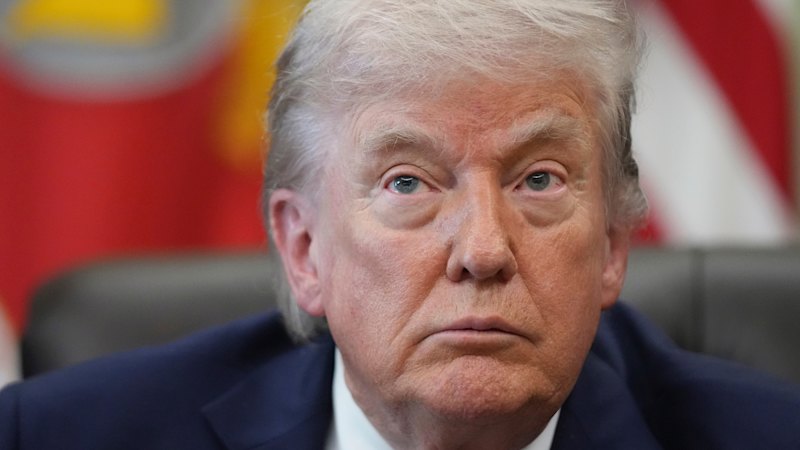
The Middle East, a region perpetually on the brink, finds itself once again at a critical juncture. As geopolitical fault lines deepen and the specter of wider conflict looms, the United States has embarked on a high-stakes diplomatic mission, dispatching a delegation to Pakistan for direct peace talks with Iranian foreign minister. This unprecedented move, featuring prominent figures like special envoys Steve Witkoff and Jared Kushner, underscores the urgency felt in Washington to de-escalate tensions and avert a full-blown confrontation. The announcement, coming amidst a fragile, recently extended ceasefire between Israel and Lebanon, paints a picture of a region desperate for stability but constantly pulled back into cycles of violence and mistrust. PulseWorld investigates the complex dynamics at play, the historical context that has shaped these rivalries, and the potential pathways to a more secure future.
The Diplomatic Gambit: A Shift in US Strategy
For years, the relationship between the United States and Iran has been characterized by mutual suspicion, sanctions, and proxy conflicts. The Trump administration's withdrawal from the Joint Comprehensive Plan of Action (JCPOA) in 2018, followed by a "maximum pressure" campaign, significantly ratcheted up tensions. However, the decision to send a high-level delegation to Pakistan for direct talks signals a potential strategic pivot. This move, while unexpected by many, reflects a growing recognition that military options are fraught with immense risks, and that a diplomatic off-ramp is essential. The choice of Pakistan as a neutral ground is strategic, leveraging Islamabad's long-standing, albeit complex, relationships with both Washington and Tehran. Pakistan has historically played a mediating role in regional disputes, and its willingness to host such sensitive discussions highlights its desire to foster stability in its neighborhood.
The delegation, reportedly led by figures with direct access to the highest echelons of US power, suggests a serious commitment to these talks. Steve Witkoff, known for his business acumen and close ties to the administration, alongside Jared Kushner, a key architect of Middle East policy, bring a unique blend of political weight and unconventional diplomatic approaches. Their presence elevates the talks beyond mere technical discussions, imbuing them with significant political capital. The immediate goal is likely to establish channels of communication, explore areas of de-escalation, and perhaps lay the groundwork for a more comprehensive dialogue on Iran's nuclear program, regional activities, and the future of the Strait of Hormuz. The success of these initial overtures will hinge on both sides' willingness to compromise and move beyond entrenched positions.
The Shadow of Regional Conflicts: Israel-Lebanon Ceasefire
Adding another layer of complexity to the regional tableau is the extended ceasefire between Israel and Lebanon. The conflict, which had seen intense exchanges across their shared border, threatened to spiral into a wider conflagration, drawing in other regional and international actors. The initial ceasefire, brokered through intense international mediation, provided a much-needed pause, but its fragility was evident. The subsequent extension for three weeks, while a positive sign, underscores the precarious nature of peace in the Levant. This conflict is deeply intertwined with the broader US-Iran tensions, as Lebanon's powerful Hezbollah movement is a key Iranian proxy, receiving significant financial and military support from Tehran. Any escalation between Israel and Hezbollah invariably raises the stakes for Iran and its regional influence.
The ceasefire extension offers a window for diplomacy, allowing mediators to work towards a more durable resolution. However, the underlying issues – including border disputes, Hezbollah's arsenal, and Israel's security concerns – remain unresolved. The international community, particularly France and the United States, has been instrumental in facilitating these talks, recognizing that an open conflict on Israel's northern border would have catastrophic consequences for the entire region. The simultaneous efforts to de-escalate US-Iran tensions and stabilize the Israel-Lebanon front illustrate the interconnectedness of Middle Eastern conflicts, where a spark in one area can quickly ignite fires elsewhere.
Historical Context and Geopolitical Chessboard
To understand the current predicament, one must delve into the region's tumultuous history. The rivalry between Iran and its regional adversaries, particularly Saudi Arabia and Israel, is rooted in a complex mix of religious, ethnic, and geopolitical factors. The 1979 Iranian Revolution fundamentally altered the regional power balance, establishing an Islamic Republic that challenged the US-backed monarchies and secular states. Since then, Iran's pursuit of nuclear capabilities, its support for various non-state actors (such as Hezbollah, Hamas, and Houthi rebels), and its strategic depth in Iraq and Syria have been viewed as existential threats by its rivals.
The United States, for its part, has historically sought to maintain a balance of power, protect its interests, and ensure the free flow of oil. Its alliances with Saudi Arabia and Israel have been cornerstones of its Middle East policy. However, the rise of China and Russia as significant players in the region, coupled with a growing desire in Washington to re-evaluate its global commitments, has created a more fluid and unpredictable environment. The current diplomatic push towards Iran can be seen as an attempt to manage this complex geopolitical chessboard, preventing a direct military confrontation that would destabilize global energy markets and potentially draw in other major powers.
Implications and the Path Forward
The outcome of these talks in Pakistan will have profound implications, not just for the Middle East but for global stability. A successful de-escalation could pave the way for renewed dialogue on a range of issues, potentially leading to a more stable and predictable regional order. It could also alleviate the pressure on global oil prices and reduce the risk of maritime disruptions in vital shipping lanes. Conversely, a failure of diplomacy could push the region closer to conflict, with devastating humanitarian and economic consequences.
For the United States, success would mean demonstrating the efficacy of diplomacy even with adversaries, potentially rebuilding some of its diplomatic credibility on the world stage. For Iran, engaging in direct talks could offer a path to sanctions relief and reintegration into the international community, provided it addresses international concerns about its nuclear program and regional conduct. For the broader Middle East, these talks represent a glimmer of hope that dialogue, however difficult, can prevail over confrontation. The road ahead is fraught with challenges, historical mistrust runs deep, and spoilers abound. However, the very act of sitting down to talk, especially at such a critical juncture, is a testament to the enduring belief that even the most intractable conflicts can find a diplomatic solution. The world watches with bated breath as these delicate negotiations unfold, hoping for a future where peace, not conflict, defines the Middle East.
Stay Informed
Get the world's most important stories delivered to your inbox.
No spam, unsubscribe anytime.
Comments
No comments yet. Be the first to share your thoughts!