Middle East Ceasefire Hopes Dim as Regional Tensions Escalate: A Global Perspective
As the Middle East conflict continues, US President Donald Trump expresses skepticism about a ceasefire extension, signaling potential for further escalation. Diplomacy intensifies with JD Vance leading US talks with Pakistan, while Israel and Lebanon prepare for critical discussions in Washington. This article delves into the complex geopolitical landscape, examining the implications of these developments on regional stability and international relations.
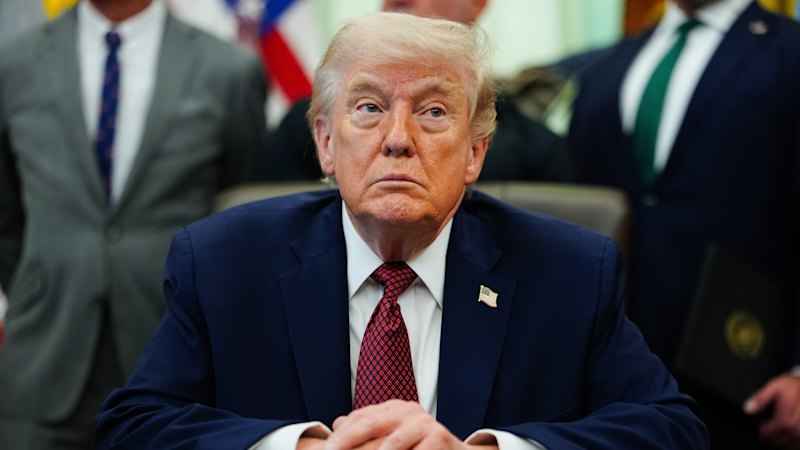
The fragile hope for a sustained de-escalation in the Middle East has been dealt a significant blow, as US President Donald Trump voiced strong doubts about the likelihood of extending the current ceasefire. His remarks, coming amidst a period of intense diplomatic maneuvering and continued conflict, underscore the precarious nature of peace efforts in a region perpetually on the brink. The intricate web of alliances, historical grievances, and strategic interests makes any resolution a monumental challenge, with global ramifications extending far beyond the immediate conflict zones.
The Middle East, a historical crucible of civilizations and conflicts, is once again at the epicenter of international attention. The current hostilities, while rooted in specific contemporary triggers, draw deeply from decades of unresolved disputes, territorial claims, and ideological divides. The involvement of global powers, each with their own strategic calculus, further complicates the path to peace. Trump's assessment, while potentially a negotiation tactic, also reflects a grim reality: the underlying conditions for lasting peace remain elusive, and temporary pauses often serve merely as respites before renewed confrontation.
The Precarious State of Ceasefire Diplomacy
The notion of a ceasefire, often seen as a prerequisite for broader peace talks, is inherently delicate. It requires not only a cessation of active hostilities but also a commitment from all parties to uphold its terms, often under intense scrutiny and pressure. In the current Middle East context, a ceasefire extension is fraught with difficulties. Humanitarian corridors, vital for delivering aid to affected populations, are often contested, and allegations of breaches are common. The exchange of prisoners and hostages, a key component of many ceasefire agreements, adds another layer of complexity, tying humanitarian concerns directly to political leverage.
Historically, temporary ceasefires in the region have frequently been used by belligerents to regroup, rearm, or consolidate positions, rather than as genuine steps towards reconciliation. This historical pattern breeds cynicism and mistrust, making each subsequent attempt at a truce harder to achieve and sustain. The international community, led by bodies like the United Nations and key global powers, often finds itself in the unenviable position of mediating between parties with deeply entrenched, often irreconcilable, demands. The failure to extend a ceasefire not only prolongs suffering but also erodes faith in diplomatic solutions, pushing the conflict towards more extreme outcomes.
Geopolitical Chessboard: US Engagements and Regional Power Plays
The United States, a pivotal player in Middle Eastern geopolitics, continues its multifaceted engagement. The announcement that JD Vance will lead a US delegation for talks with Pakistan highlights the broader strategic considerations at play. While seemingly distant from the immediate Middle East conflict, Pakistan's geopolitical significance, particularly its relationship with neighboring Afghanistan and its role in regional security, makes it a crucial interlocutor for Washington. These talks are likely to encompass a range of issues, from counter-terrorism efforts to economic cooperation and regional stability, all of which indirectly influence the broader security landscape of the Middle East.
Simultaneously, the impending talks between Israel and Lebanon in Washington represent another critical diplomatic front. These discussions, often mediated by the US, typically focus on border demarcation, maritime disputes, and security arrangements. The historical animosity and periodic skirmishes between the two nations, particularly involving non-state actors like Hezbollah, mean that any progress, however incremental, is significant. The timing of these talks, amidst heightened regional tensions, underscores the urgent need to de-escalate potential flashpoints and prevent the current conflict from metastasizing into new fronts. The outcome of these discussions could have profound implications for the stability of Israel's northern border and Lebanon's fragile political landscape.
The Broader Implications: Australia and Beyond
The ripple effects of the Middle East conflict are global, and Australia is no exception. While geographically distant, the nation's engagement in international security, its diverse multicultural population, and its economic ties mean that events in the Middle East resonate deeply. Live coverage of the conflict and related developments in Australia often highlight domestic concerns, including community cohesion, the spread of misinformation, and the potential for radicalization. The Australian government, like many Western nations, faces the challenge of balancing support for its allies with the need to maintain domestic harmony and address humanitarian concerns.
Economically, global energy markets are particularly sensitive to Middle Eastern instability. Disruptions to oil and gas supplies, or even the perception of such risks, can lead to price volatility, impacting economies worldwide, including Australia's. Furthermore, the conflict fuels debates on international law, human rights, and the efficacy of multilateral institutions, shaping public discourse and foreign policy decisions in Canberra and other capitals. The ongoing humanitarian crisis, with its massive displacement of people, also poses challenges for international aid organizations and refugee policies globally.
Expert Analysis: A Path Forward Amidst Uncertainty
Experts widely agree that a sustainable resolution in the Middle East requires a multi-pronged approach, addressing not only the immediate conflict but also its underlying causes. Dr. Anya Sharma, a geopolitical analyst specializing in the Middle East, notes, “The current diplomatic efforts, while commendable, often treat symptoms rather than the disease. Until the fundamental issues of statehood, security, and self-determination are addressed comprehensively, ceasefires will remain temporary bandages.” She emphasizes the need for inclusive dialogue, involving all relevant stakeholders, including those often marginalized in traditional peace processes.
Another perspective, offered by Professor Mark Jenkins from the Institute of International Relations, suggests that external powers must recalibrate their engagement. “The era of unilateral imposition of solutions is over. True progress will come from facilitating indigenous solutions, respecting regional sovereignty, and providing robust support for institution-building and economic development, rather than solely focusing on security paradigms.” He also points to the critical role of civil society and grassroots movements in fostering long-term peace, often overlooked in high-level diplomatic negotiations.
Conclusion: Navigating a Fractured Future
The Middle East stands at a critical juncture. President Trump's skepticism about a ceasefire extension, coupled with the ongoing diplomatic efforts involving Pakistan, Israel, and Lebanon, paint a picture of a region in flux, where every decision carries immense weight. The path to peace is arduous, paved with historical grievances, strategic rivalries, and the profound suffering of millions. For international observers and policymakers, the challenge lies in understanding the intricate dynamics, supporting genuine efforts towards de-escalation, and fostering conditions for a lasting, equitable peace.
The global community must remain vigilant, advocating for humanitarian principles and pushing for diplomatic breakthroughs, even when prospects seem dim. The future of the Middle East, and by extension, a significant portion of global stability, hinges on the ability of leaders, both regional and international, to transcend immediate interests and commit to a vision of shared security and prosperity. Without such a commitment, the cycle of conflict risks perpetuating indefinitely, with devastating consequences for all involved.
Stay Informed
Get the world's most important stories delivered to your inbox.
No spam, unsubscribe anytime.
Comments
No comments yet. Be the first to share your thoughts!