Middle East Tensions Escalate: US-Iran Standoff and Regional Instability
The Middle East remains a powder keg, with escalating tensions between the US and Iran, a fragile ceasefire between Israel and Lebanon, and ongoing maritime disputes. This report delves into the complex geopolitical landscape, analyzing the implications of President Trump's aggressive stance, the strategic importance of the Strait of Hormuz, and the broader regional ramifications for global stability and energy markets.
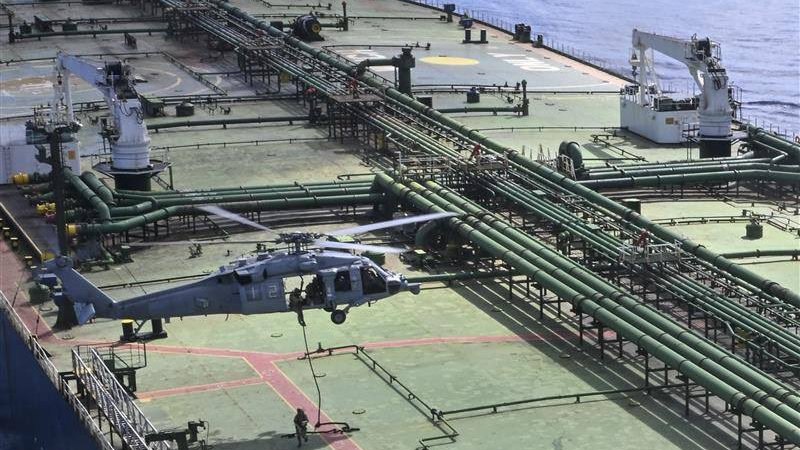
The Middle East, a region perpetually on the brink, finds itself once again at a critical juncture, with a confluence of geopolitical pressures threatening to ignite a wider conflict. From the strategic choke point of the Strait of Hormuz to the volatile borders of Israel and Lebanon, the intricate web of alliances and animosities is stretching to its breaking point. Recent developments, including a precarious ceasefire extension and a stark warning from the White House regarding maritime security, underscore the urgent need for de-escalation and diplomatic engagement, even as the rhetoric hardens and military posturing intensifies.
The Strait of Hormuz: A Global Chokepoint Under Threat
The Strait of Hormuz, a narrow waterway connecting the Persian Gulf to the open ocean, is arguably the most strategically vital oil transit chokepoint in the world. Approximately one-fifth of the world's total oil consumption, and a significant portion of its liquefied natural gas (LNG), passes through this 21-mile-wide passage daily. Any disruption here has immediate and severe repercussions for global energy markets and the world economy. It is against this backdrop that former President Trump's directive to the US Navy to “shoot and kill” Iranian minelayers in the Strait of Hormuz sent shockwaves across the international community. While framed as a response to alleged Iranian harassment of US vessels, the order marked a significant escalation in the rules of engagement and raised fears of miscalculation.
This aggressive posture is rooted in a history of provocations and counter-provocations. Iran has repeatedly threatened to close the Strait in response to sanctions or military threats, viewing it as a powerful lever against its adversaries. The deployment of naval mines, even as a deterrent, could quickly lead to an international crisis, disrupting shipping lanes and potentially triggering a direct military confrontation. The US Fifth Fleet, based in Bahrain, is tasked with safeguarding maritime security in the region, and its interactions with Iran's Islamic Revolutionary Guard Corps Navy (IRGCN) are often tense. The boarding of an oil tanker by US forces, as reported, further highlights the ongoing enforcement of sanctions and the intricate dance of naval power projection in these contested waters. The economic implications of a prolonged closure or conflict in the Strait would be catastrophic, driving oil prices to unprecedented levels and plunging the global economy into recession.
Israel-Lebanon Ceasefire: A Fragile Peace
Away from the maritime flashpoints, the land borders of the Levant remain a tinderbox. The extension of a ceasefire between Israel and Lebanon by three weeks, while a welcome respite, speaks to the inherent instability of the region. This ceasefire often refers to periods of reduced hostilities or specific agreements, rather than a definitive peace treaty, reflecting the deep-seated historical grievances and ongoing proxy conflicts. The primary actors in this dynamic are Israel and Hezbollah, the powerful Lebanese Shiite political party and militant group, heavily backed by Iran. Hezbollah's significant arsenal of rockets and its experienced fighters pose a credible threat to Israel's northern border, leading to frequent skirmishes and the constant specter of a wider war.
The context of this ceasefire is often linked to broader regional dynamics, including the Syrian civil war, where Hezbollah has gained combat experience fighting alongside Assad's forces, and Iran's strategic objective of maintaining a 'resistance axis' against Israel. The involvement of international mediators, often including the United Nations Interim Force in Lebanon (UNIFIL), is crucial in maintaining even this fragile peace. However, the underlying issues – border disputes, Hezbollah's military presence, and the broader Israeli-Palestinian conflict – remain unresolved, making any peace temporary and vulnerable to external shocks or internal provocations. The humanitarian cost of any renewed conflict would be immense, impacting civilian populations on both sides and potentially drawing in other regional and international actors.
The Broader Geopolitical Chessboard: US, Iran, and Regional Powers
Understanding the current tensions requires a look at the broader geopolitical chessboard. The US withdrawal from the Joint Comprehensive Plan of Action (JCPOA), or Iran nuclear deal, in 2018, and the subsequent imposition of a
Stay Informed
Get the world's most important stories delivered to your inbox.
No spam, unsubscribe anytime.
Comments
No comments yet. Be the first to share your thoughts!