Nature's Masterstroke: How Oak Trees Outsmart Caterpillars with Delayed Leafing
Groundbreaking research from Germany reveals a sophisticated survival strategy employed by oak trees: deliberately delaying leaf emergence by several days. This calculated tactic allows oaks to evade the peak feeding period of destructive caterpillars, significantly reducing infestation rates. Scientists utilized satellite data to uncover this remarkable evolutionary adaptation, highlighting nature's intricate defense mechanisms against predation. The findings offer new insights into forest ecology and the resilience of tree species.
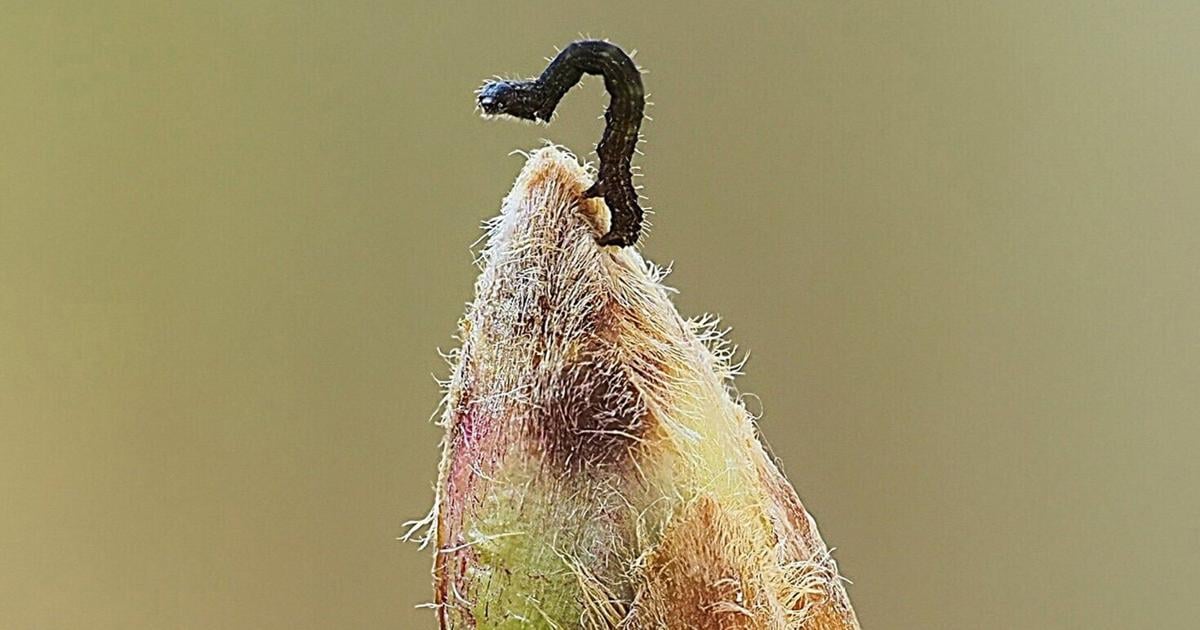
In the intricate dance of nature, where survival often hinges on subtle adaptations, a fascinating revelation has emerged from the heart of Germany. Scientists, leveraging the power of satellite technology, have uncovered a sophisticated survival strategy employed by one of Europe's most iconic trees: the oak. It appears these majestic sentinels of the forest are not merely passive participants in their environment but active strategists, deliberately delaying the sprouting of their leaves by an average of three days to outwit one of their most persistent predators – the hungry caterpillar.
This groundbreaking discovery, detailed in recent ecological studies, paints a vivid picture of evolutionary ingenuity. For centuries, the annual emergence of oak leaves has been observed, but the underlying mechanisms and their ecological implications have often been taken for granted. Now, researchers are shedding light on a remarkable synchronicity, or rather, a deliberate desynchronicity, that allows oaks to mitigate significant damage from insect defoliation, a threat that can severely compromise their health and long-term viability.
The Evolutionary Arms Race: A Delayed Spring Offensive
The relationship between trees and leaf-eating insects is an ancient one, a continuous evolutionary arms race where each side develops new tactics to gain an advantage. Caterpillars, particularly those of species like the winter moth (Operophtera brumata) and the oak processionary moth (Thaumetopoea processionea), are voracious feeders. Their larvae hatch in early spring, coinciding with the emergence of tender, nutrient-rich young leaves. A severe infestation can strip an oak bare, weakening it and making it vulnerable to disease or other environmental stressors. For a long time, it was assumed that trees simply responded to environmental cues like temperature and light to unfurl their leaves.
However, this new research challenges that simplistic view. By analyzing vast amounts of satellite data, combined with ground observations and phenological models, German scientists were able to detect a consistent pattern: oak trees were not just reacting to spring's arrival; they were exhibiting a calculated delay. This three-day lag, while seemingly minor, proved to be a critical window. It meant that by the time the oak leaves were fully expanded and palatable, many of the early-hatching caterpillars had already starved or moved on, having missed their prime feeding opportunity. This strategic timing significantly reduces the severity of infestations, allowing the trees to conserve energy and maintain their photosynthetic capacity.
Dr. Klaus Richter, a lead researcher on the project, explained in a recent press briefing, “We’ve always known that trees and insects have co-evolved, but to see such a precise, almost tactical, delay in leafing is truly remarkable. It’s a testament to the sophisticated adaptive capabilities of plant life.” The study highlights how even small shifts in phenology – the timing of biological events – can have profound ecological consequences, acting as a natural defense mechanism against herbivory.
Unpacking the Mechanism: How Do Oaks 'Know'?
The immediate question that arises from this discovery is: how do oak trees 'know' to delay their leafing? While the exact biochemical and genetic mechanisms are still under investigation, scientists hypothesize several contributing factors. It's unlikely to be a conscious decision in the human sense, but rather a finely tuned genetic programming shaped by millennia of natural selection. Possible mechanisms include:
* Genetic Predisposition: Oaks that exhibited a slightly later leafing phenology in the past would have suffered less damage from caterpillars, leading to greater reproductive success and passing on these genes. * Environmental Cues Beyond Temperature: While temperature is a primary driver, other factors like day length (photoperiod) or even subtle chemical signals from the environment could play a role in fine-tuning the timing. * Resource Allocation: The delay might also be linked to the tree's internal resource management, ensuring that sufficient energy reserves are mobilized before the intensive process of leaf production begins.
This adaptive strategy is particularly crucial for long-lived species like oaks. A single severe defoliation might not kill an adult tree, but repeated attacks over several years can weaken it substantially, making it susceptible to secondary pests, diseases, or extreme weather events. By minimizing early-season damage, oaks enhance their long-term resilience and contribute to the stability of the forest ecosystem.
Broader Implications: Climate Change and Forest Health
The findings have significant implications beyond just the oak-caterpillar dynamic. In an era of rapid climate change, understanding these intricate phenological adaptations becomes even more critical. Warmer springs can lead to earlier hatching of insects, potentially disrupting the delicate balance that trees have evolved. If the caterpillars' emergence shifts earlier than the oaks' delayed leafing, the trees' strategy could be undermined, leading to increased vulnerability.
Forest ecologists are now keenly observing whether oaks can adjust their timing in response to accelerating climate shifts. Can their genetically programmed delay adapt quickly enough to new environmental conditions? Or will a mismatch emerge, leading to more widespread and severe insect outbreaks? This research provides a baseline for monitoring such changes and understanding the potential impact on forest health and biodiversity.
Moreover, the study offers valuable insights for sustainable forestry management. By identifying trees with particularly effective delayed leafing traits, foresters could potentially select for more resilient oak populations. It also underscores the importance of maintaining diverse forest ecosystems, as monocultures tend to be more vulnerable to widespread pest outbreaks.
A Testament to Nature's Enduring Wisdom
This discovery serves as a powerful reminder of the profound complexity and enduring wisdom embedded within natural systems. The humble oak, standing for centuries, has perfected a subtle yet highly effective defense mechanism against a persistent threat. It's a testament to the power of natural selection, shaping life in ways we are only just beginning to fully comprehend.
As we continue to unravel these ecological mysteries, we gain a deeper appreciation for the interconnectedness of life and the delicate balances that sustain our planet. The oak's clever tactic is not just an isolated biological curiosity; it's a window into the sophisticated strategies that ensure survival in a constantly evolving world, urging us to protect these intricate systems for future generations. The ongoing research promises to reveal even more about how trees, often perceived as static, are in fact dynamic, strategic entities in the grand theater of life.
Stay Informed
Get the world's most important stories delivered to your inbox.
No spam, unsubscribe anytime.
Comments
No comments yet. Be the first to share your thoughts!