The Outer Worlds Undergoes Major Shift: Base Game Delisted, Spacer's Choice Edition Takes Center Stage
Obsidian Entertainment's beloved RPG, The Outer Worlds, is undergoing a significant transition. The original base game and its DLCs are being partially delisted, with the 'Spacer's Choice Edition' becoming the definitive version. This move, while offering a free upgrade to existing owners, raises questions about game preservation, consumer rights, and the future of digital content. Players are navigating a somewhat confusing path to ensure they retain access to their purchased content.
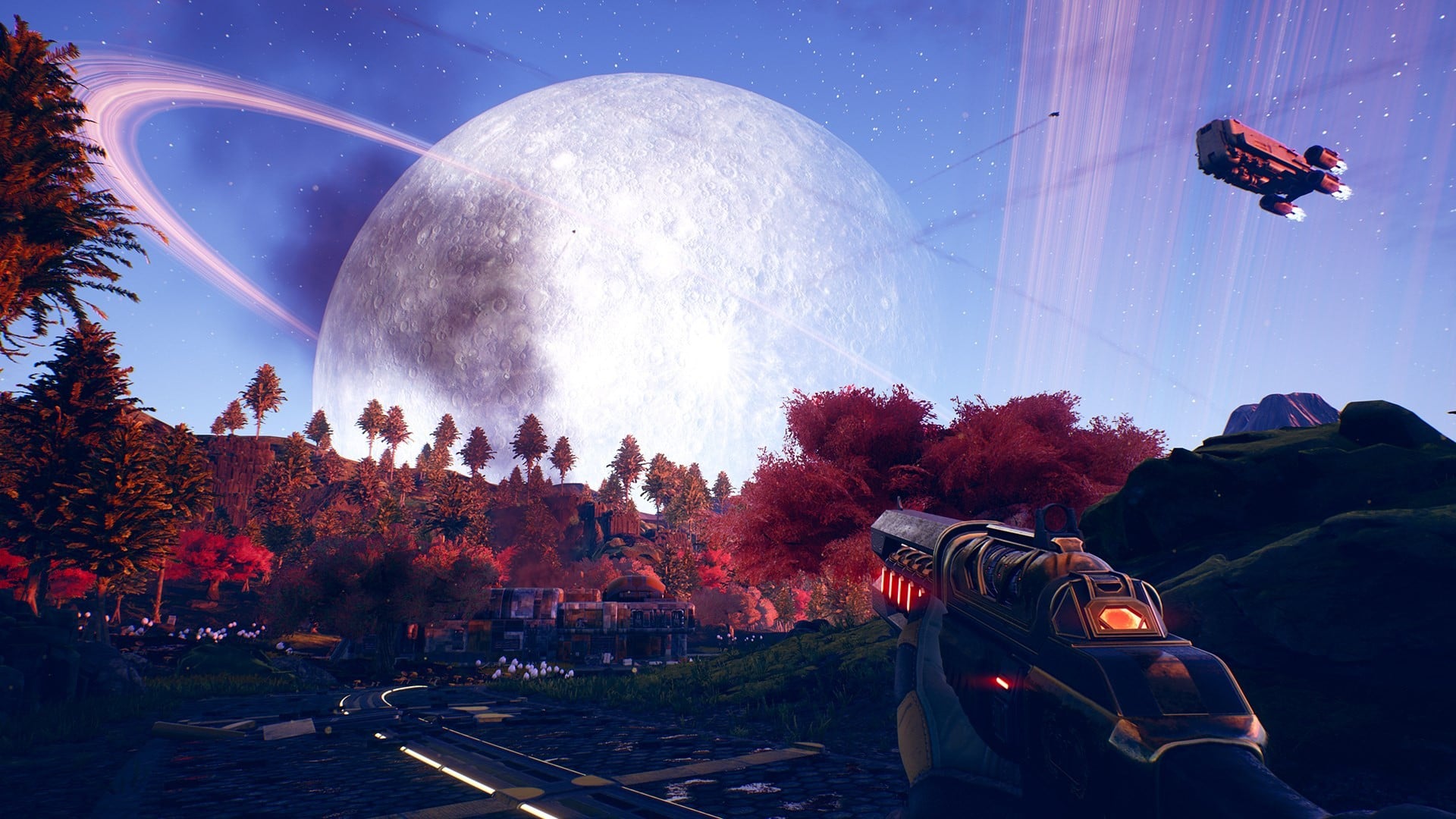
In a move that has sent ripples through the gaming community, Obsidian Entertainment and publisher Private Division have announced a significant restructuring of how players will access the critically acclaimed RPG, The Outer Worlds. The original base game, along with its individual DLCs, is being partially delisted from digital storefronts, with the enhanced 'Spacer's Choice Edition' stepping up to become the primary, and soon, only purchasable version of the game. This decision, while offering a free upgrade to many existing owners, has sparked debate and discussion regarding game preservation, consumer expectations, and the evolving landscape of digital content ownership.
The Delisting Dilemma: What's Happening?
The core of the announcement revolves around the 'Spacer's Choice Edition,' which bundles the base game with both story expansions – Peril on Gorgon and Murder on Eridanos – and offers graphical and performance enhancements. Players who already own the base game and its DLCs on the same platform are eligible for a free upgrade to this new edition. This is a welcome gesture, mitigating some of the immediate concerns about having to repurchase content. However, the 'partial delisting' aspect is where the confusion and consternation arise. While the base game itself might still be accessible in players' libraries if previously purchased, new purchases of the original version and its separate DLCs will cease to be an option on many digital platforms. This effectively funnels all future buyers towards the 'Spacer's Choice Edition.'
The rationale behind such a move is often multi-faceted. From a publisher's perspective, consolidating SKUs (Stock Keeping Units) can streamline marketing, reduce maintenance overhead for multiple versions, and present a unified, 'best' version of the game to new customers. For developers, it ensures that players are experiencing the game in its most polished and complete form, especially after post-launch patches and enhancements. Yet, for consumers, particularly those who prefer to buy games piecemeal or might have specific hardware limitations, this consolidation can feel restrictive. The 'Spacer's Choice Edition,' while enhanced, also comes with higher system requirements, potentially leaving some players behind.
A Precedent in Digital Gaming: History Repeats Itself?
This isn't the first time the gaming industry has seen such a maneuver. The digital age, while offering unprecedented access to games, also introduces complexities regarding ownership and availability. We've witnessed numerous titles, or specific versions of them, disappear from digital storefronts for various reasons:
* Licensing Expirations: Music, car brands, or intellectual properties used in games often have timed licenses. Once these expire, games featuring them may be delisted (e.g., older Forza titles, Grand Theft Auto games with licensed music). * Publisher/Developer Changes: When studios close or publishing rights change hands, older versions or even entire games can vanish. * Remasters/Remakes: Publishers sometimes replace original versions with remasters to focus sales on the newer, often higher-priced, edition (e.g., some older Call of Duty titles, Grand Theft Auto III/Vice City/San Andreas Definitive Editions). * Technical Obsolescence: Games relying on defunct online services or outdated DRM can become unplayable or unpurchasable.
The case of The Outer Worlds most closely aligns with the third point. The 'Spacer's Choice Edition' is positioned as the definitive, enhanced experience. While the free upgrade is a positive differentiator compared to some past instances where players had to repurchase, the forced migration to a single, newer version still raises questions about consumer choice and the long-term accessibility of original game versions. The industry is still grappling with the concept of digital ownership versus digital licensing, and these delisting events serve as stark reminders of the ephemeral nature of digital content.
Technical Hurdles and Player Experience
The transition hasn't been entirely smooth, with some players reporting confusion regarding the upgrade process. The announcement specifically states that the free upgrade is available for owners of the base game and all its DLCs, or the Expansion Pass, on the same platform. This nuance means that players who only own the base game, or perhaps only one of the two DLCs, will likely need to purchase the 'Spacer's Choice Edition' at full price to get the complete, enhanced experience. This creates a tiered system of access that can feel unfair to those who have supported the game but not purchased every single piece of content.
Furthermore, the 'Spacer's Choice Edition' itself has had a somewhat rocky launch. Initial reviews and player feedback highlighted performance issues and bugs that were not present in the original version, leading to a period where the 'enhanced' version was arguably a downgrade in terms of playability for some. While patches have since addressed many of these concerns, the initial stumble likely contributed to player skepticism regarding the necessity and benefits of this forced transition. This underscores the importance of ensuring that any 'definitive' edition truly lives up to its name in terms of quality and stability.
The Implications for Game Preservation and Consumer Rights
This situation with The Outer Worlds highlights broader issues within the gaming industry. On one hand, game preservationists argue that every version of a game, especially a culturally significant one, should remain accessible. Delisting older versions, even if replaced by an 'improved' one, erases a piece of gaming history and limits future academic or historical study. For many, the original version holds nostalgic value or might simply run better on older hardware.
On the other hand, publishers operate in a commercial environment. Maintaining multiple versions of a game across various storefronts and platforms can be costly and resource-intensive. The balance between commercial viability and historical preservation is a delicate one, often tipping in favor of the former.
For consumers, the key takeaway is the increasingly fluid nature of digital ownership. Unlike physical media, which offers a tangible product that can be played indefinitely (barring hardware failure), digital licenses can be revoked or altered by publishers. This makes it crucial for players to understand the terms of service for digital storefronts and to consider the long-term implications of their purchases.
Looking Ahead: A New Standard for Remasters?
The 'Spacer's Choice Edition' saga for The Outer Worlds could serve as a case study for future remasters and re-releases. While the free upgrade for complete owners is a positive step, the partial delisting of the original game and the initial technical issues of the new edition offer valuable lessons. Publishers might consider:
* Maintaining Original Versions: Offering the original game as a separate, perhaps discounted, purchase option for those who prefer it or have hardware limitations. * Phased Transitions: Allowing a longer overlap period where both versions are available for purchase. * Transparent Communication: Clearly outlining the upgrade path, eligibility, and any potential changes in system requirements or features. * Robust Quality Assurance: Ensuring that 'enhanced' editions are genuinely superior in all aspects from day one.
As the digital gaming market continues to mature, discussions around game preservation, consumer rights, and the ethical responsibilities of publishers will only intensify. The Outer Worlds' journey into its 'Spacer's Choice Edition' is more than just a game update; it's a microcosm of the ongoing evolution and challenges within the digital entertainment industry, forcing players and publishers alike to re-evaluate what it means to 'own' a game in the 21st century.
Stay Informed
Get the world's most important stories delivered to your inbox.
No spam, unsubscribe anytime.
Comments
No comments yet. Be the first to share your thoughts!