Navigating Europe's New EES: Your Guide to Avoiding Airport Chaos
Europe's new Entry and Exit System (EES) is causing significant airport delays, leading to missed flights and passenger frustration. This in-depth guide explains the system's impact and offers practical strategies to minimize wait times, from understanding biometric registration to leveraging technology. Learn how to prepare for your next European journey and navigate the evolving travel landscape with ease.
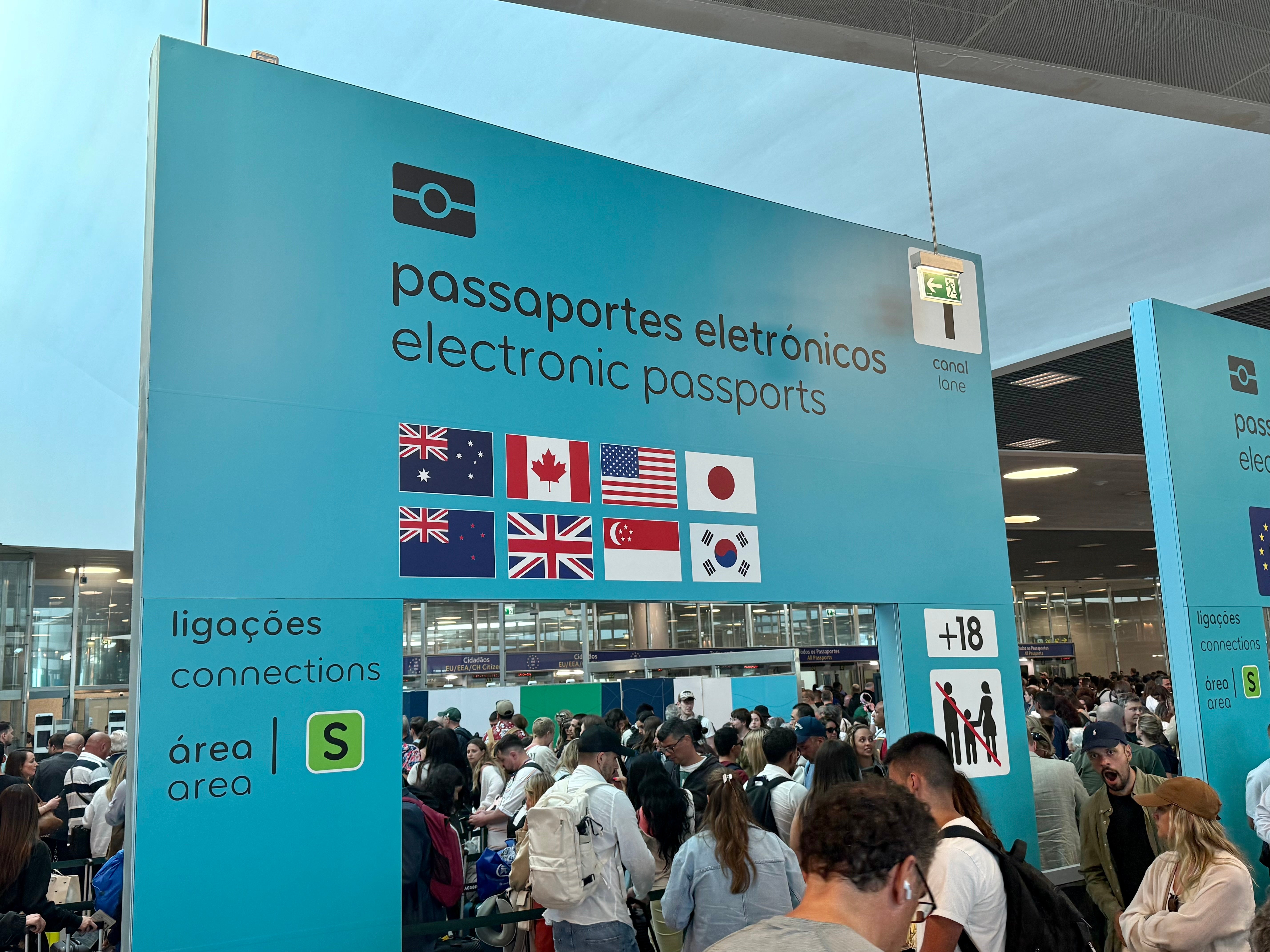
The dream of a seamless European getaway is increasingly being met with a stark reality: agonizingly long queues at airports. The introduction of the new Entry and Exit System (EES) across the Schengen Area has, for many, transformed the once-routine process of border control into a gauntlet of delays, missed connections, and mounting stress. As headlines frequently attest to scenes of passenger frustration and operational bottlenecks, understanding this seismic shift in European border management is no longer just a matter of convenience, but a crucial element of travel planning. This comprehensive guide from PulseWorld delves into the intricacies of the EES, offering not only a critical analysis of its impact but also actionable strategies to help you navigate Europe's evolving travel landscape and reclaim the joy of your journey.
The Dawn of a New Border Era: Understanding the EES
At its core, the Entry and Exit System (EES) is a sophisticated automated IT system designed to register non-EU citizens each time they cross an external border of the Schengen Area. Its primary objectives are multifaceted: to enhance border security, improve the efficiency of border checks, and systematically record entries and exits, thereby replacing the manual stamping of passports. This digital transformation aims to better identify overstayers and strengthen the integrity of the Schengen zone. When fully operational, the EES will capture biometric data – facial images and fingerprints – alongside alphanumeric data from travel documents. While the concept of digital border control isn't new, the scale and ambition of the EES represent a significant leap forward, impacting millions of travelers annually.
The system's rollout has been phased, with various countries implementing components at different rates, leading to inconsistencies and initial teething problems. The EES is distinct from the European Travel Information and Authorisation System (ETIAS), which is an upcoming pre-travel authorization for visa-exempt non-EU nationals, similar to the US ESTA or Canada's eTA. While both aim to streamline and secure travel, the EES focuses on the physical act of border crossing and data collection upon arrival and departure, making it the immediate point of friction for many travelers.
Why the Delays? Unpacking the Operational Challenges
Despite its laudable goals, the EES has become synonymous with lengthy queues. Several factors contribute to this operational quagmire. Firstly, the biometric data collection process is inherently more time-consuming than a simple passport stamp. Each traveler must have their fingerprints scanned and a facial image captured, a procedure that, even under ideal conditions, takes longer than a quick glance at a passport. Multiply this by hundreds or thousands of passengers arriving simultaneously, and bottlenecks are inevitable.
Secondly, the infrastructure readiness varies significantly across European airports and ports. While major hubs might have invested in state-of-the-art self-service kiosks, smaller entry points may still rely on manual processing by border guards, who now have additional digital tasks. The training of border personnel to efficiently operate the new system is another critical variable. Inadequate staffing levels or insufficient training can exacerbate delays, turning a potentially smooth process into a frustrating ordeal.
Furthermore, the lack of widespread traveler awareness plays a crucial role. Many non-EU citizens arrive unprepared, unaware of the new requirements, or unfamiliar with the self-service kiosks. This often leads to confusion, errors, and further delays as border guards must assist individuals through the process, slowing down the entire line. The initial period of adaptation for both travelers and border authorities is proving to be a significant challenge, highlighting the complexities of implementing such a vast technological shift across multiple sovereign nations.
Practical Strategies for a Smoother Journey
While the EES presents new hurdles, proactive preparation can significantly mitigate its impact. Here are PulseWorld's essential tips for navigating Europe's new border landscape:
* Arrive Early, Always: This is perhaps the most critical advice. Airlines are already recommending arriving at least three hours before long-haul flights. With the EES, consider adding an extra hour, especially during peak travel seasons or at major hubs. The buffer time is invaluable for unexpected delays. * Understand the Biometrics: Familiarize yourself with the concept of fingerprint and facial recognition. While you can't pre-register your biometrics for EES, knowing what to expect can reduce anxiety and speed up the process at the kiosk or border control point. Ensure your travel documents are easily accessible. * Utilize Self-Service Kiosks (Where Available): Many larger airports are deploying self-service kiosks for EES registration. These are designed to be faster than manual checks. Look for clear signage and follow the instructions carefully. Don't hesitate to ask airport staff for guidance if you're unsure. * Have All Documents Ready: Beyond your passport, ensure you have any necessary visas or supporting travel documents (e.g., return tickets, accommodation bookings) readily available. While not always requested by EES, border guards may still ask for them, and having them organized saves time. * Stay Informed: Before your trip, check the official websites of the specific airports or countries you'll be entering. They often provide updated information on EES procedures, estimated wait times, and specific recommendations. Knowledge is power in navigating new systems. * Consider Off-Peak Travel: If your schedule allows, traveling during off-peak hours or seasons can significantly reduce airport crowds and, consequently, EES wait times. Mid-week flights or early morning/late-night arrivals often see fewer passengers. * Pack Smart: Ensure your carry-on luggage is easy to manage, especially if you anticipate needing to access documents frequently. A disorganized bag can add unnecessary stress and fumbling time.
The Road Ahead: EES Evolution and Future Implications
The EES is not a static system; it is designed to evolve. European authorities are continuously monitoring its performance and are expected to implement adjustments based on feedback and operational data. The goal remains to strike a balance between enhanced security and efficient traveler flow. As the system matures, we can anticipate improvements in technology, better integration across border points, and increased public awareness campaigns.
However, the long-term implications for international travel are significant. The EES, coupled with ETIAS, signals a future where travel to the Schengen Area will be more digitized, requiring greater pre-planning and adherence to new protocols for non-EU citizens. This shift underscores a broader global trend towards more sophisticated border management systems, driven by security concerns and the desire for greater data accuracy. For travelers, this means a permanent change in how they approach their European adventures. The days of spontaneous, unburdened border crossings are gradually fading, replaced by a more structured and data-driven process. Adapting to this new reality, armed with information and preparation, will be key to unlocking seamless travel in the years to come. The initial turbulence of the EES rollout is a testament to the challenges of such an ambitious project, but with time and refinement, it is hoped that the system will ultimately deliver on its promise of a more secure and efficient European border.
Concluding Thoughts: Adapting to the New Normal
The Entry and Exit System represents a fundamental recalibration of Europe's external borders. While its initial implementation has undeniably created friction and frustration, it is part of a larger strategic vision for enhanced security and streamlined data management. For the discerning traveler, the message is clear: preparation is paramount. The days of arriving at the airport with only a passport and a prayer are over. By understanding the EES, anticipating potential delays, and employing smart travel strategies, you can minimize disruptions and ensure your European journey remains a pleasure rather than a prolonged ordeal. As PulseWorld continues to monitor these developments, we encourage our readers to stay informed and embrace these changes as the new normal of international travel. The future of travel is digital, and adapting to it is the surest path to stress-free exploration.
Stay Informed
Get the world's most important stories delivered to your inbox.
No spam, unsubscribe anytime.
Comments
No comments yet. Be the first to share your thoughts!