Nintendo's Switch 2 Price Hike: A Global Gaming Industry Bellwether Amidst Rising Chip Costs
Nintendo has announced a significant price increase for its highly anticipated Switch 2 console across major markets, a direct response to soaring memory chip costs. This strategic adjustment comes as the Japanese gaming giant forecasts a substantial 27% decline in annual net profit, signaling broader economic pressures impacting the tech and entertainment sectors. The move highlights the delicate balance between innovation, supply chain realities, and consumer affordability in the competitive console market.
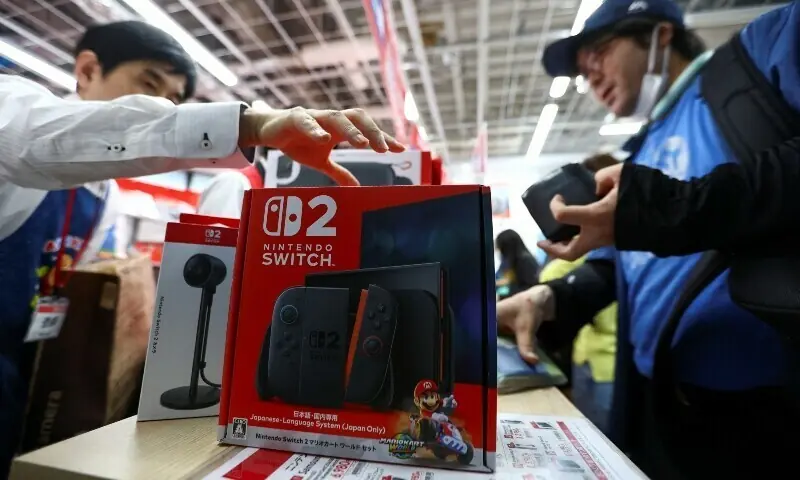
The world of interactive entertainment is bracing for a significant shift as Nintendo, a titan of the gaming industry, confirms an impending price increase for its next-generation console, the Switch 2. This strategic, yet undoubtedly challenging, decision stems directly from the escalating costs of crucial components, particularly memory chips, which are sending ripples through global supply chains. The announcement, made on a recent Friday, not only signals a higher price tag for eager consumers but also casts a shadow over Nintendo's immediate financial outlook, with the company forecasting a substantial 27% drop in annual net profit.
This development is more than just a pricing adjustment for a single product; it's a potent indicator of the persistent economic headwinds facing the technology sector. For decades, Nintendo has been synonymous with innovative, accessible gaming, often prioritizing unique experiences over raw power. The original Switch, launched in 2017, exemplified this philosophy, blending home console and portable gaming seamlessly. Its successor, the Switch 2, carries immense expectations, and its revised pricing strategy will be closely watched by competitors and consumers alike.
The Unseen Battle: Memory Chip Economics
The heart of Nintendo's predicament lies in the volatile market for memory chips. These tiny, yet incredibly complex, semiconductors are the lifeblood of modern electronics, powering everything from smartphones and computers to, critically, gaming consoles. The global semiconductor industry has been under immense pressure since the onset of the COVID-19 pandemic, which disrupted manufacturing, logistics, and demand patterns. While some sectors have seen recovery, others, like memory chips, continue to grapple with supply constraints and inflationary pressures.
Memory chips, specifically DRAM (Dynamic Random-Access Memory) and NAND flash, are essential for storing and accessing game data, operating system files, and running applications smoothly. Their cost is a significant component of a console's bill of materials (BOM). When these costs surge, manufacturers face a stark choice: absorb the increased expenses, thereby eroding profit margins, or pass them on to the consumer. Nintendo's decision to raise prices suggests that the magnitude of the cost increase is simply too great to absorb without severely impacting their bottom line.
Industry analysts point to several factors contributing to the current memory chip crunch:
* Increased Demand: The proliferation of AI, 5G, and high-performance computing continues to drive demand for advanced memory solutions. * Supply Chain Disruptions: Geopolitical tensions, natural disasters, and ongoing logistics challenges still plague the semiconductor manufacturing ecosystem. * Manufacturing Complexity: Producing advanced memory chips requires highly specialized equipment and processes, making it difficult to rapidly scale up production. * Currency Fluctuations: For a Japanese company like Nintendo, a weaker Yen against the US Dollar can further inflate the cost of imported components, which are often priced in USD.
Financial Forecasts and Market Reactions
Nintendo's revised financial forecast paints a challenging picture for the current fiscal year. A projected 27% decline in annual net profit, following the price adjustment announcement, underscores the severity of the situation. This isn't just about selling fewer units; it's about the reduced profitability per unit sold, even with a higher retail price, due to the inflated input costs. Investors typically react negatively to such news, as it impacts shareholder value and future growth prospects. However, the market's long-term view will depend on the Switch 2's eventual sales performance and Nintendo's ability to navigate these economic headwinds.
The company's stock performance will be a key indicator of market sentiment. While an initial dip might be expected, Nintendo's strong brand loyalty and the anticipated appeal of the Switch 2 could mitigate prolonged negative effects. The success of the original Switch, which has sold over 130 million units worldwide, provides a robust foundation, but its successor enters a more challenging economic landscape.
A Broader Industry Trend?
Nintendo's move could serve as a bellwether for the wider gaming and consumer electronics industries. If memory chip costs continue their upward trajectory, other console manufacturers like Sony (PlayStation) and Microsoft (Xbox) might face similar pressures. While these companies operate with different business models and supply chain strategies, they are not immune to global component pricing. The last few years have already seen price adjustments for current-generation consoles, indicating a persistent trend.
For consumers, this means potentially higher entry barriers to next-generation gaming. The sweet spot for console pricing has historically been around the $300-$500 mark, balancing performance with affordability. A significant increase could deter some potential buyers, especially in economically sensitive markets. This could also prompt a re-evaluation of pricing strategies for games and subscription services, as companies seek to maintain revenue streams.
Looking Ahead: Innovation vs. Affordability
Nintendo's challenge now is to justify the higher price point with compelling hardware and software experiences. The Switch 2 is expected to offer significant technological advancements over its predecessor, including improved graphics, faster processing, and potentially new gameplay mechanics. The success of the console will hinge on whether these innovations are perceived by consumers as worth the increased investment.
Furthermore, Nintendo's rich ecosystem of beloved franchises – Mario, Zelda, Pokémon – remains a powerful draw. Exclusive titles have historically been a key differentiator for Nintendo, driving hardware sales regardless of competitive pressures. The company's ability to continue delivering high-quality, exclusive content will be paramount in convincing consumers that the Switch 2, despite its higher price, offers unparalleled value.
In conclusion, Nintendo's decision to raise the price of the Switch 2 is a stark reminder of the complex interplay between global economics, supply chain vulnerabilities, and consumer markets. It underscores the challenges faced by even the most established technology companies in an era of volatile component costs. While the short-term financial outlook presents hurdles, Nintendo's long-standing commitment to innovation and its unique approach to gaming will be crucial in navigating these turbulent waters, ultimately determining the long-term success of the Switch 2 and its impact on the future of interactive entertainment.
Stay Informed
Get the world's most important stories delivered to your inbox.
No spam, unsubscribe anytime.
Comments
No comments yet. Be the first to share your thoughts!