No Pardon for Jho Low: 1MDB Task Force Rejects Fugitive Financier's Bid Amid Global Scandal
The chairman of Malaysia's 1MDB task force has firmly rejected any possibility of a pardon for fugitive financier Jho Low, a central figure in the multi-billion dollar 1MDB scandal. This comes after reports indicated Low had sought a royal pardon to potentially remove US criminal charges. The decision underscores Malaysia's commitment to justice and accountability in one of the world's largest financial frauds, with global implications for anti-corruption efforts.
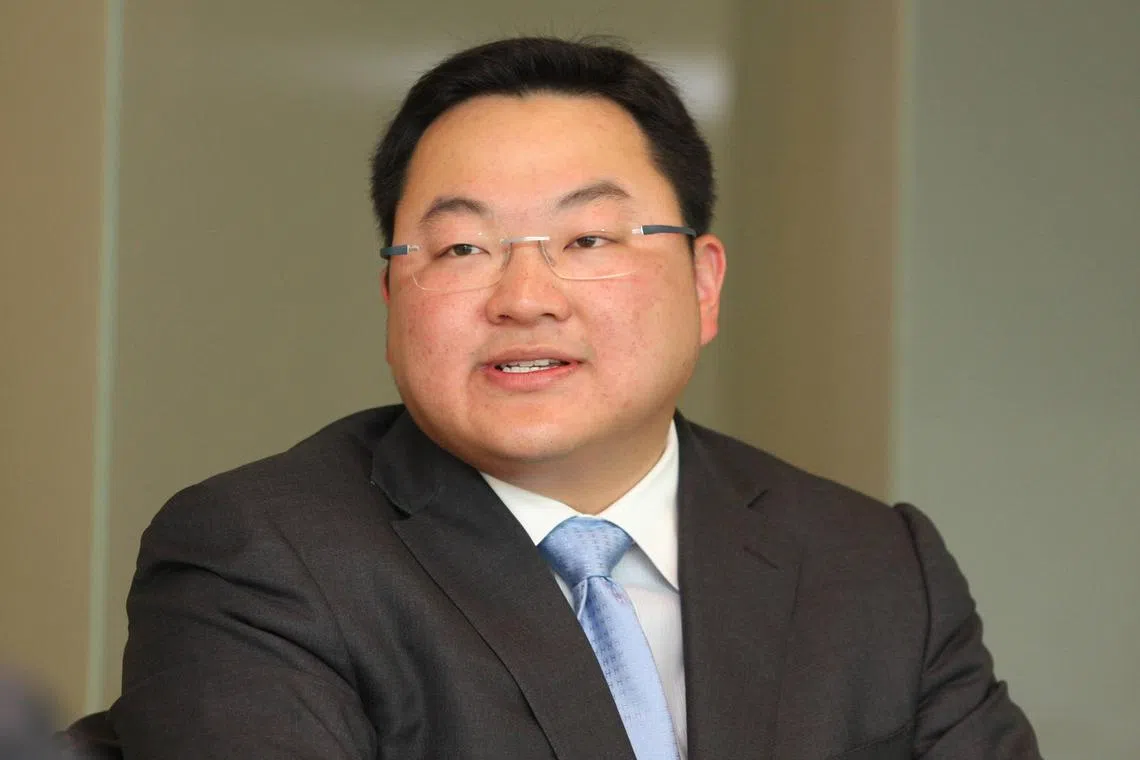
The specter of one of the 21st century's most audacious financial frauds looms large once more, as fugitive Malaysian financier Low Taek Jho, better known as Jho Low, reportedly sought a royal pardon. However, this bid for clemency has been met with a resounding rejection from the very heart of Malaysia's pursuit of justice. The chairman of the 1MDB task force, Datuk Seri Johari Abdul Ghani, unequivocally stated on May 13 that Low should not be pardoned, effectively slamming the door on any potential reprieve for the alleged mastermind behind the multi-billion dollar 1Malaysia Development Berhad (1MDB) scandal. This decisive stance reaffirms Malaysia's unwavering commitment to holding those accountable for plundering state funds, a scandal that has reverberated across continents and implicated high-profile individuals and global financial institutions.
The Audacity of a Pardon Request
The notion of Jho Low, currently a global fugitive, seeking a pardon has ignited a fresh wave of outrage and disbelief. Reports, particularly from The Straits Times, indicated that Low had filed a petition for a royal pardon, a move that, if granted, could potentially alleviate or even nullify the criminal charges he faces, particularly those in the United States. Such a pardon would be an extraordinary development, given the scale and international scope of the crimes he is accused of. Low faces charges in multiple jurisdictions, including Malaysia and the US, for money laundering, bribery, and conspiracy related to the siphoning of billions from 1MDB. The task force's swift and firm rejection highlights the deep-seated public and governmental desire for justice, emphasizing that the magnitude of Low's alleged transgressions warrants no leniency. Datuk Seri Johari Abdul Ghani's statement reflects a broader sentiment that granting a pardon would not only undermine the integrity of Malaysia's legal system but also send a dangerous message about accountability for grand corruption.
Unpacking the 1MDB Scandal: A Global Web of Deceit
To understand the gravity of the task force's decision, one must revisit the intricate and staggering details of the 1MDB scandal. At its core, 1Malaysia Development Berhad (1MDB) was a state-owned strategic development company established in 2009 by then-Prime Minister Najib Razak. Its purported aim was to drive strategic initiatives for Malaysia's long-term economic development. However, under the alleged orchestration of Jho Low, billions of dollars intended for these projects were instead diverted through a complex web of shell companies, fraudulent transactions, and international bank accounts.
The scandal came to light in 2015, revealing how at least $4.5 billion was misappropriated from the fund. This money was allegedly used to finance a lavish lifestyle for Low, including luxury yachts, private jets, high-end real estate, and extravagant parties featuring Hollywood celebrities. It also funded the production of the Hollywood film "The Wolf of Wall Street" and was used to purchase valuable art, including works by Basquiat and Picasso. Crucially, a significant portion of the stolen funds, estimated at $700 million, was traced to the personal bank accounts of former Prime Minister Najib Razak, leading to his eventual conviction on charges of corruption, money laundering, and abuse of power.
The scandal's reach was truly global, implicating major financial institutions like Goldman Sachs, which paid a $3.9 billion settlement to Malaysia for its role in facilitating bond sales for 1MDB. Banks in Switzerland, Singapore, and Luxembourg also faced scrutiny and penalties. The U.S. Department of Justice launched its largest-ever kleptocracy asset recovery initiative to seize assets purchased with stolen 1MDB funds, demonstrating the international commitment to unraveling this elaborate scheme.
The Path to Justice: Malaysia's Unwavering Resolve
Malaysia's pursuit of justice in the 1MDB case has been a long and arduous journey, marked by political upheaval and a tenacious commitment to recovering stolen assets and punishing those responsible. The establishment of the 1MDB task force underscores this resolve. Datuk Seri Johari Abdul Ghani, as its chairman, has been vocal about the importance of accountability. His statement regarding Low's pardon request is not merely a political stance but a reflection of the legal and ethical principles guiding the nation's efforts.
* Asset Recovery: Malaysian authorities, in collaboration with international agencies, have made significant strides in recovering assets linked to 1MDB. While billions have been recovered, much remains to be repatriated. * Prosecution of Key Figures: Beyond Najib Razak, numerous individuals, both Malaysian and foreign, have faced charges or investigations related to their involvement in the scandal. * Institutional Reforms: The scandal prompted calls for greater transparency and stricter governance within state-owned enterprises and financial institutions to prevent future abuses.
The task force's position on Jho Low is critical because it signals that despite the passage of time and the complexities of international law, Malaysia will not yield in its demand for his return to face justice. Low remains at large, believed to be in China, and his evasion of arrest continues to be a major obstacle to fully closing this chapter.
Implications and Forward Outlook
The rejection of Jho Low's pardon request carries significant implications, both domestically and internationally. Domestically, it reinforces public trust in the government's commitment to fighting corruption and upholding the rule of law. It sends a clear message that no individual, regardless of their past influence or wealth, is above the law, especially when state funds are involved. This stance is crucial for Malaysia's reputation as it strives to attract foreign investment and build a transparent economy.
Internationally, it underscores the ongoing challenges in prosecuting financial fugitives and recovering stolen assets across borders. The case of Jho Low serves as a stark reminder of the sophisticated networks utilized by kleptocrats and the necessity of robust international cooperation to dismantle them. The continuous pressure on Low also maintains global attention on financial crime and the need for stronger anti-money laundering regulations worldwide.
Looking ahead, the focus will remain on Jho Low's apprehension and extradition. While a pardon is now off the table, the legal battles and diplomatic efforts to bring him to justice will undoubtedly continue. The 1MDB saga, with Jho Low at its center, will forever be a cautionary tale of unchecked power, greed, and the enduring fight for accountability in an increasingly interconnected financial world. Malaysia's firm stance ensures that the pursuit of justice for the billions stolen from its people will not waver.
Stay Informed
Get the world's most important stories delivered to your inbox.
No spam, unsubscribe anytime.
Comments
No comments yet. Be the first to share your thoughts!